Chronicle Editor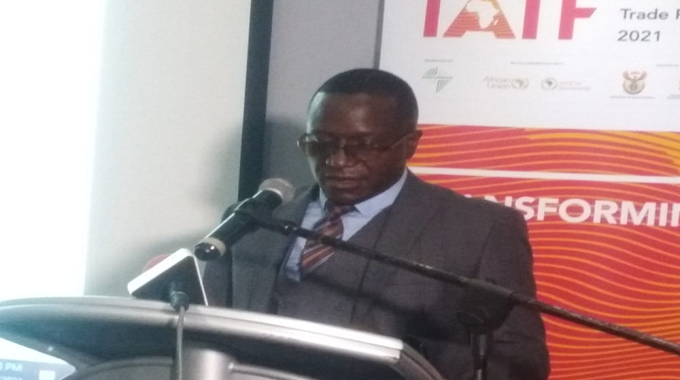
Sukulwenkosi Dube-Matutu, Chronicle Reporter
GOVERNMENT has relaxed requirements under Youth Empowerment Bank and the Women’s Micro-Finance Bank to allow applicants to use the assets that they have in their communal areas as collateral.
As a result villagers are allowed to use possessions like scotch carts and various tools that an ordinary man will have at a household as collateral. Youths intending to start projects can submit quotations for the equipment that they wish to buy and use it as collateral.
Empower Bank was established as a micro-banking unit by the Government in 2018 to specifically support different youth initiatives in order to revive the economy. It was established as part of Government efforts to empower youths.
The bank is focused on project financing at micro and medium-scale levels, mainly for youths. It is meant to address youths’ failure to access capital, mainly arising from lack of collateral, and to spur their involvement in the mainstream economy.
President Mnangagwa recently said the Second Republic, was focusing on availing more economic opportunities for the youths and expressed his admiration for youths who have ventured into various self-empowerment projects such as mining and farming.
Youths have in the past appealed to Government to revise requirements for accessing facilities under the Empower Bank as they were beyond the reach of most young people in rural areas.
Speaking in Parliament recently, Deputy Minister of Foreign Affairs and International Trade Dr David Musabayana said Government was not only focused on SMEs or start-ups but also creating an enabling environment for industry to strive.
“The model that we are using under the Empowerment Bank is a much simplified model where we are saying, the youths can form up a group and part of the group can be qualified as part of the collateral. The second model that we have used in the Youth Empowerment Bank is that we have allowed the youths — say they want to go into mining, they can submit quotations for the equipment that they want.
That equipment becomes part of the collateral. They securitise that equipment to become part of the collateral. If you want to go into beef manufacturing and you want equipment, part of the moveable assets are now accepted by the banks as collateral,” he said.
“We have also allowed the guarantors to use the assets that they have. In the communal areas, we have allowed scotch carts and all the various tools that an ordinary man will have at a household level to be accepted as collateral and the banks are accepting those items of collateral.”
He said the third model is known as offtakers agreements where youths who are involved in value chain financing will actually get orders for the produce that they want to produce.
They get supplies of the materials that they want to use and the orders become part of the collateral. Dr Musayabana said when the business is operational, the off-takers of the product will pay back the loan.
“This model is working very well to allow our youths to go into farming. We have also allowed the youths to use affidavits or letters from our councillors or the headmen and chiefs to use as proof of residence which is not the norm under the normal procedures of the banks. These models are helping to alleviate the processing of our youths’ loans,” Dr Musayabana said. — @DubeMatutu



 Online Reporter