Online Reporter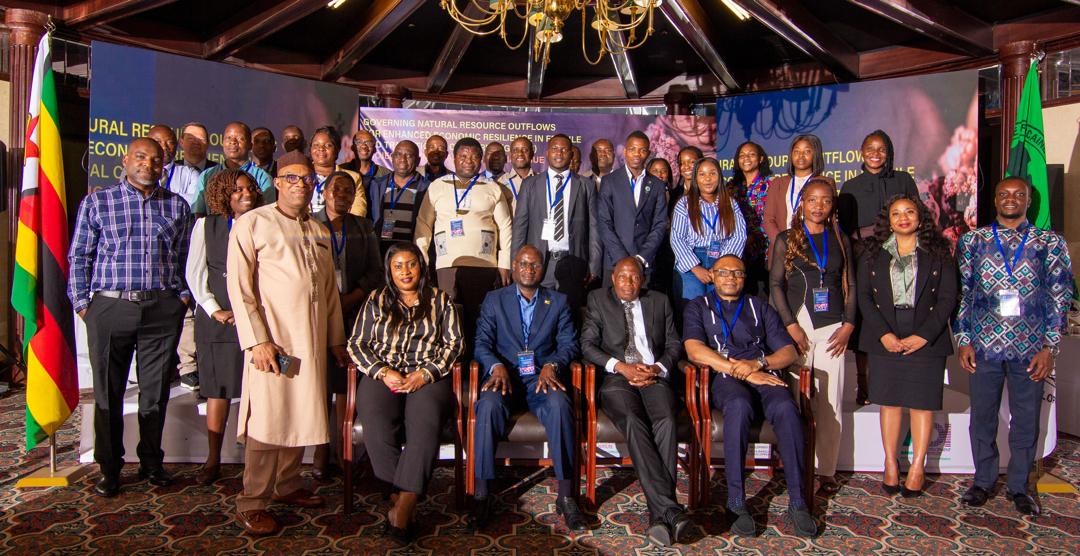
Rutendo Nyeve in Victoria Falls
THE Government has reaffirmed its commitment to the sustainable and transparent management of the country’s vast natural resources, positioning this as a cornerstone for national development, economic resilience, and the fight against illicit financial flows.
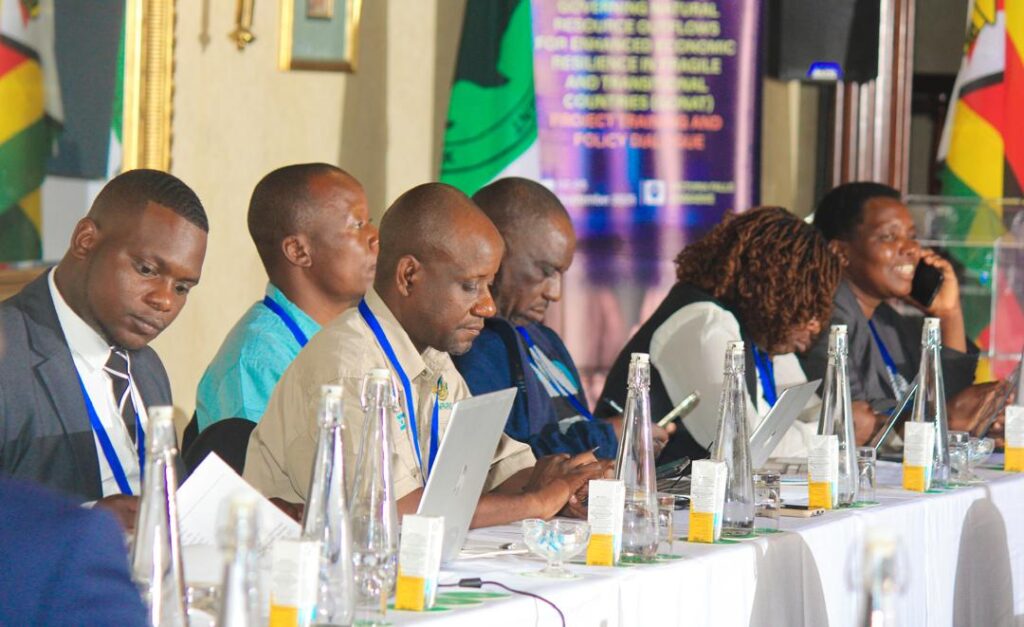
This pledge was delivered at the opening of a pivotal capacity-building workshop on Illicit Financial Flows (IFFs) and Resource-Backed Loans (RBLs), which commenced here in Victoria Falls on Wednesday.
The high-level event, hosted by the African Development Bank (AfDB) under its Governing Natural resources Outflows (GONAT) project, has gathered senior officials from key ministries and agencies, including Finance, Mines, Energy, and Environment; the Zimbabwe Revenue Authority (ZIMRA); the Reserve Bank of Zimbabwe; and the anti-corruption and financial intelligence unit.
In a keynote address delivered on his behalf by the Director of Environment, Mr Edward Samuriwo, the Permanent Secretary for Environment, Climate and Wildlife, Ambassador Tadeus Chifamba, underscored the Government’s dedication to principles of good governance and evidence-based policymaking.
“The Government of Zimbabwe remains fully committed to the principles of transparency, good governance, and evidence-based policymaking, which are vital for sustainable development across our nation
“We proudly reaffirm our national ownership of the GONAT initiative, recognising its crucial role in equipping our policymakers, civil society, and stakeholders with the knowledge and tools needed to address complex challenges in the natural resources sector,” he said.
Ambassador Chifamba said the project aligns with the National Development Strategy 2 (NDS2).
“GONAT is providing that critical platform for developing and strengthening innovative solutions and collaborative approaches to governing natural resource outflows,” he said.
“The environment we are living in today does not belong to us but is borrowed from future generations and that it is our collective duty to save tomorrow, today,” he said.
The workshop is part of a broader, first-of-its-kind AfDB initiative being implemented in six fragile and transitional African nations that include Zimbabwe, the Central African Republic, Chad, the Democratic Republic of Congo, Mozambique, and Sierra Leone.
Dr Innocent Onah of the AfDB’s GONAT Task Team provided context on the programme’s urgency.
He revealed that Africa loses an estimated US$120 billion annually, or 5 percent of its GDP, to the illicit trade in natural resources, with the majority of these revenue leakages stemming from the extractives sector.
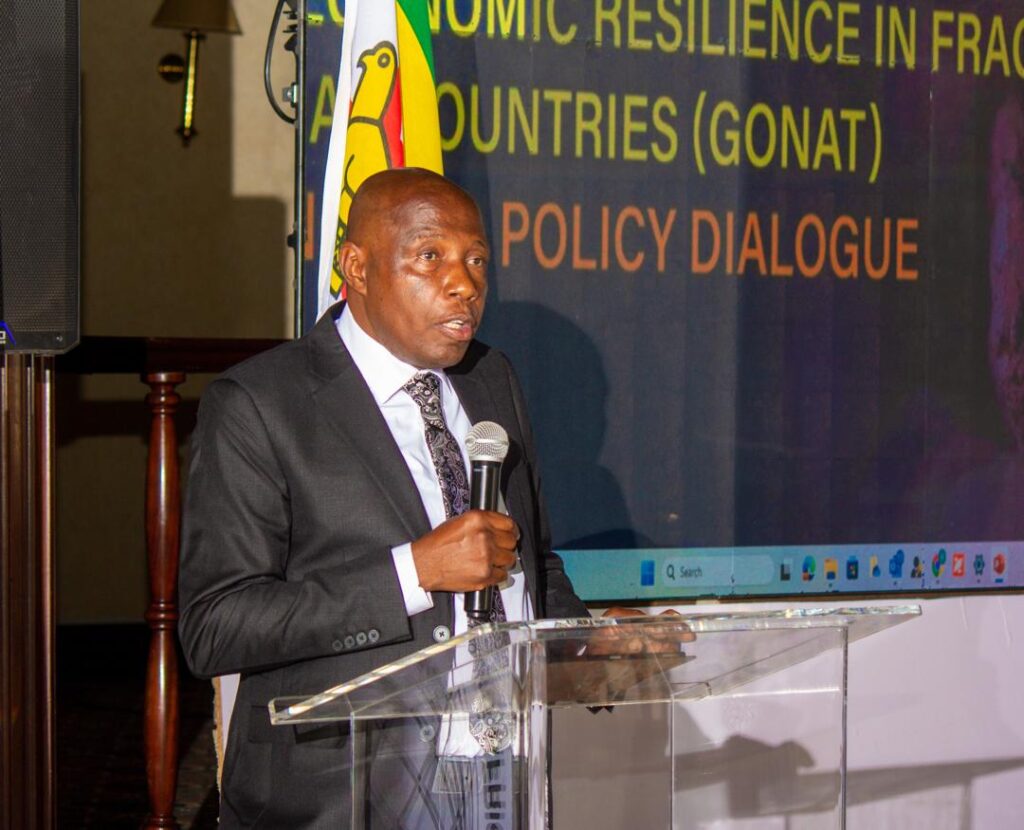
“The continent is unable to realize the tremendous value in its natural endowments due to weak governance of natural resource outflows through two important channels: The illicit trade in natural resources, and Resource-related debt,” said Dr Onah.
He explained that the GONAT project’s main objective is to build national capacity for governing natural resource outflows by addressing resource backed loans, illicit natural resources trade, and IFFs, with a key outcome being improved knowledge and policy tools by 2026.
Adding to this, Dr Eric Ogunleye, Director of the African Development Institute (ECAD), emphasised the critical need for collaborative action.
“Addressing illicit financial flows can only be achieved through joint action. It is beyond the capacity of any single country, government, or institution to tackle this challenge in isolation,” he said.
Dr Ogunleye also announced a significant technological step forward, revealing that the GONAT training modules would be integrated into the Bank’s new Virtual Capacity Development Academy (VCDA 2.0), a centralised Learning Management System designed to disseminate educational content publicly and ensure the sustainability of the project’s knowledge gains.