Theseus Mauruki Shambare in BULAWAYO
The Government is stepping up efforts to strengthen firefighting and emergency rescue capacity across the country through specialised training of personnel from local authorities, as climate-related fire risks and growing demands for emergency services along major highways heighten the need for preparedness.
The drive comes ahead of the 2026/27 agricultural season, for which meteorological forecasts have indicated the likelihood of below-normal rainfall and above-normal temperatures under prevailing El Niño conditions, potentially increasing vegetation dryness and the risk of veld and other fires.
At the same time, the movement of people and goods along the country’s major highways continues to expose communities and road users to emergencies, including road traffic accidents, vehicle fires and other incidents requiring specialised rescue operations.
Against this background, the Government is complementing the distribution of 114 Belarusian fire tenders to more than 90 local authorities with training programmes aimed at ensuring that the equipment is backed by personnel capable of operating it effectively.
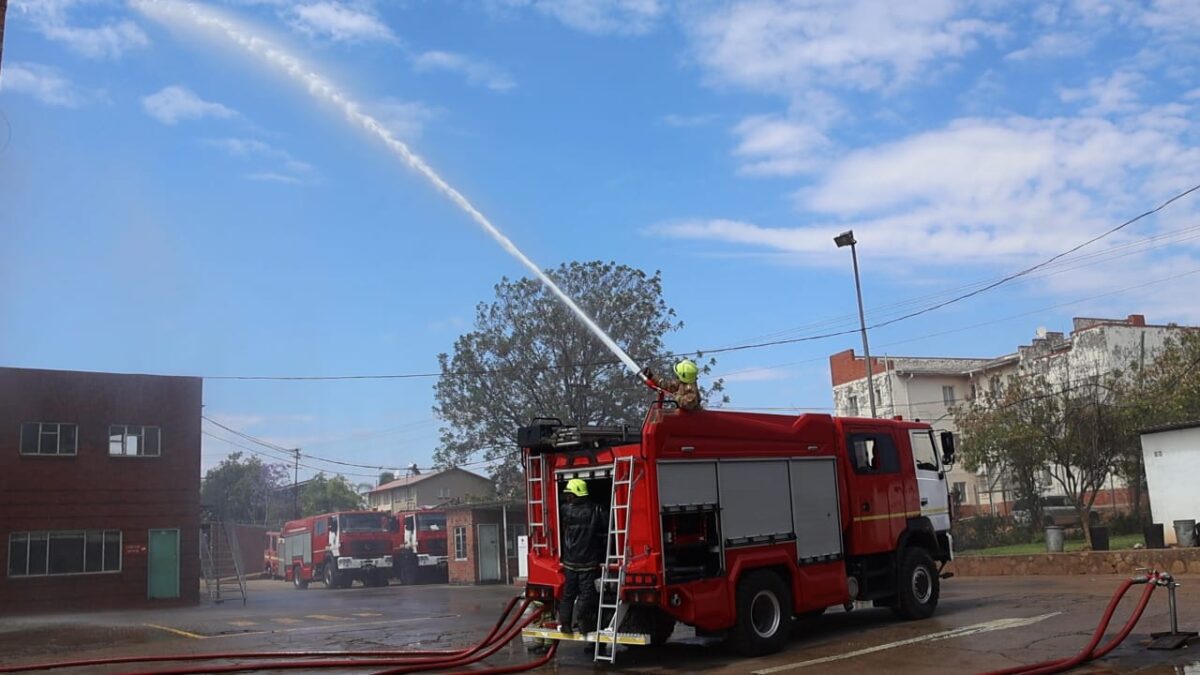
Bulawayo has emerged as one of the centres driving the skills-transfer initiative, having trained 45 personnel from rural district councils in the operation of Belarusian Red Lion fire tenders.
During a media tour to assess the utilisation and operational readiness of equipment supplied to local authorities, as well as routine inspections coordinated by BiSON Agro Machinery, Bulawayo Chief Fire Officer Mr Mhlangano Moyo said the city was implementing the training programme following instructions from Local Government and Public Works Minister Daniel Garwe, to extend its firefighting expertise to other local authorities.
He said the first batch comprised personnel from Hwange, Binga, Lupane, Tsholotsho, Nkayi and Matobo, while a second group involving five local authorities was nearing completion.
“The Belarus engine programme started in 2024 with the City of Bulawayo and Harare. We went for training in March; all senior officers, including the chief officers, took part in this programme,” he said
“They were trained in the use of these Red Lion fire trucks. Thereafter, we had to engage our subordinates, that is, station officers or sub-officers, for this training programme.”
The second batch comprises Lupane, Mberengwa and Bubi rural district councils, Gwanda Rural District Council and Gwanda Town Board, with a third group covering Beitbridge, Zimba, Chiredzi and Bulilima expected to follow.
Mr Moyo said the programme was already contributing to improved operational capacity, with the fire engines deployed to rural districts remaining functional.
He said the vehicles, each carrying 5 000 litres of water, had improved firefighting operations and response times to emergency calls.
The expanded training programme is particularly important as local authorities are expected to respond to a broadening range of emergencies, from climate-related fires threatening agricultural production and settlements to road accidents requiring rapid rescue interventions.
BiSON Agro Machinery marketing director Mr Andrei Kleinov said the effectiveness of the national equipment programme depended on developing the human capacity required to operate and maintain the machinery.
“The success of any equipment supply programme is not measured merely by the number of machines delivered, but by the capacity of the people entrusted with operating them. We are therefore encouraged by initiatives such as Bulawayo’s training programme, which extend technical expertise to other local authorities,” he said.
He said sustained technical support, maintenance and knowledge transfer were essential to ensuring that the fire tenders remained operational throughout their service life.
“Our commitment goes beyond delivering the fire tenders. We want to see these machines remaining operational, properly maintained and serving the communities for which they were procured. Training and after-sales support are therefore critical to the long-term sustainability of the programme,” he said.
With the country facing climate-related fire risks and continued demands on emergency services along its transport corridors, the effectiveness of the firefighting programme will increasingly depend on the availability of operational equipment, adequately trained personnel and coordinated responses across local authorities.