

 Chronicle Editor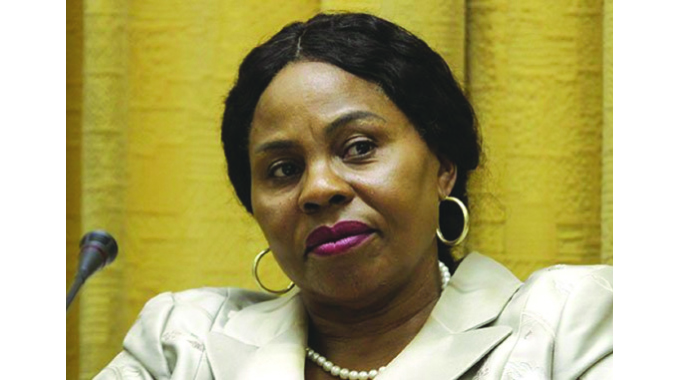
Thandeka Moyo-Ndlovu, Senior Reporter
ABOUT 1,2 million people are living with functional difficulties in the country, statistics from the 2022 Population and Housing Census Functioning Preliminary report show.
The difficulties which affect 9,2 percent of the population include difficulties in seeing, hearing, walking or climbing, remembering or concentrating, self-care and communication.
In a post-Cabinet briefing yesterday, Information, Publicity and Broadcasting Services Minister Senator Monica Mutsvangwa said the inquiry into difficulties was undertaken to determine the broader social needs of persons with disabilities such as provision of technology for use in employment and education among others.
“Cabinet wishes to inform the nation that the study established that there are 1 207 140 people (9,2 percent) with functional difficulties throughout the country. Women account for 718 899 (59,6 percent) of that population. Matabeleland North has the highest number at 11,4 percent while Harare has the lowest number at 5,2 percent,” she said.
Rural areas have 74 percent of persons with varying degrees of difficulty in performing activities while urban areas account for 26 percent of that population.
Females have higher proportions of difficulties across the six domains of difficulties in both rural and urban areas.
“The prevalence of people with “a lot of difficulty” in at least 1 domain is 1,6 percent while 0,3 percent are in the “cannot do at all” category,” said Minister Mutsvangwa.
She said the country’s total population of 13 066 443 consists of persons aged five years and above.
“About 1 in 1 200 people in this age group face a lot of difficulty in both seeing and hearing. Illness and aging are the largest underlying causes of difficulty in both seeing and hearing while being born with difficulty” is the major cause for difficulty in communication. Prevalence of disability in children aged 5-17 years is 3,5 percent, with disability being more in rural than in urban areas.”
Minister Mutsvangwa said the total number of persons with albinism is 9 753 which is 1 in every 1 500 persons.
“Females with albinism are slightly higher in all provinces except Mashonaland Central, Mashonaland West and Masvingo. These findings of the 2022 Population and Housing Census Functioning Survey will go a long way in guiding Government’s efforts at targeting interventions across the sectors.”
Minister Mutsvangwa said Cabinet had considered and approved the Initial Report of the United Nations Optional Protocol to the Convention on the Rights of the Child on the Sale of Children, Child Prostitution and Child Pornography as presented by the Vice-President and Minister of Health and Child Care, General (Rtd.) Dr Constantino Chiwenga.
According to the Optional Protocol’s Guidelines, an Initial Report has to be submitted pending three yearly periodic submissions. The Report presents the progress made and measures undertaken in reviewing various pieces of legislation and policies in order to strengthen laws in accordance with the Constitution Amendment Number 20 of 2013.
“The nation is informed that the Republic of Zimbabwe ratified the United Nations Convention on the Rights of the Child (UNCRC) in 1990 and its Optional Protocol to the Convention on the Rights of the Child on the Sale of Children, Child Prostitution and Child Pornography in 2011. Cabinet reports that the State Party continues on a positive note in the domestication and effective implementation of obligations under the Optional Protocol in particular Article.”
In terms of Covid-19, Minister Mutsvangwa said there was a 10 percent decrease in new cases recorded during the past week as an average of 11 new cases was reported per day compared to 12 the previous week.
She said the resurgence analysis however, indicates that seven provinces experienced some minor increases in cases over the past 14 days.
“The increases were however, insignificant as the numbers were very small and had no impact on the pandemic trajectory. The small increases are however, an indication that the country needs to remain vigilant. The number of new admissions decreased to nine when compared to 12 recorded in the previous week,” she said.
Minister Mutsvangwa said in view of the small increase in new cases in seven provinces, Cabinet resolved that all provinces must continue to strengthen their Covid-19 response, ramp up vaccinations in schools once schools reopen next week and prioritise those that have not yet reached the 70 percent vaccination coverage target.
She said provinces must also pay attention to the control of other diseases outbreaks. — @thamamoe



 Blessing Chizhande
 Online Reporter