

 Online Reporter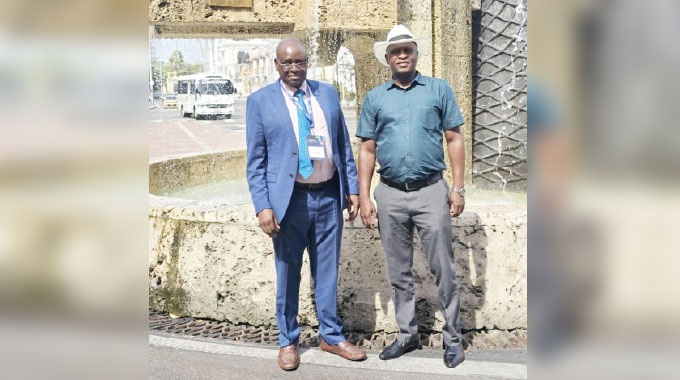
Patrick Chitumba, Midlands Bureau Chief
AS Zimbabwe battles rising cases of respiratory diseases and environmental degradation, the Government is stepping up efforts to combat air pollution, a silent but deadly killer affecting millions.
For many Zimbabweans, the effects of poor air quality are not just statistics but are a daily struggle.
From the choking dust emissions in mining towns to the thick smoke that fills kitchens in rural homes, air pollution has become an invisible crisis, disproportionately affecting the most vulnerable, including pregnant women, children and the elderly.
Many communities living near cement, fertiliser and mining plants have long suffered in silence, watching their homes, crops and health deteriorate under layers of dust and toxic fumes.
Recognising the urgency of the issue, Zimbabwe has joined global efforts to tackle air pollution and mitigate its health risks.
The country’s participation in the recent World Health Organisation’s (WHO) Global Conference on Air Pollution and Health in Cartagena, Colombia, signals a renewed commitment to finding lasting solutions.
Health and Child Care Deputy Minister Sleiman Kwidini and Environmental Management Agency (EMA) director-general Mr Aaron Chigona represented Zimbabwe at the conference, engaging with global experts to explore strategies for cleaner air and healthier communities.
In an interview, Deputy Minister Kwidini stressed the importance of Zimbabwe sharing its challenges and successes on the global stage.
He said air pollution is a major environmental and health issue and Government is taking steps to curb its impact.
“Zimbabwe has banned vehicles manufactured 19 years ago from entering the country to reduce emissions. However, the country still faces challenges such as burning dumpsites, which contribute to air pollution,” said Deputy Minister Kwidini.
He said the lack of proper waste management infrastructure and practices exacerbates the issue. The Deputy Minister noted that the advent of cooking gas has raised concerns as some types of gas are hazardous for domestic use.
“This highlights the need for stricter regulations and public education on safe cooking practices. The Environmental Management Act and statutory instruments specify permissible limits for pollutants like sulphur dioxide, nitrogen oxides, particulate matter and ozone,” he said.
However, challenges remain. Open burning of waste in urban centres particularly at dumpsites, continues to release harmful toxins into the air.
In rural areas, millions of Zimbabweans rely on firewood, charcoal and dung for cooking, exposing themselves to dangerous indoor pollution, which is a leading cause of respiratory diseases.
Deputy Minister Kwidini said EMA also monitors industrial emissions and enforces compliance with air quality standards.
He said EMA encourages industries to adopt cleaner technologies and practices to reduce emissions, adding that the Government also conducts public awareness campaigns to educate citizens about air pollution’s health implications.
“These efforts demonstrate Zimbabwe’s dedication to addressing air pollution and promoting environmental sustainability. By working with the global community, Zimbabwe aims to strengthen its policies and programmes to protect citizens’ health and well-being,” said Deputy Minister Kwidini.
Overall, he said Zimbabwe’s efforts to address air pollution demonstrate its commitment to environmental sustainability and public health adding that continued efforts are necessary to address the remaining challenges and ensure a healthier environment for citizens.
Air pollution can cause diseases such as stroke, heart disease, lung cancer, chronic obstructive pulmonary disease and respiratory infections.


