Online Reporter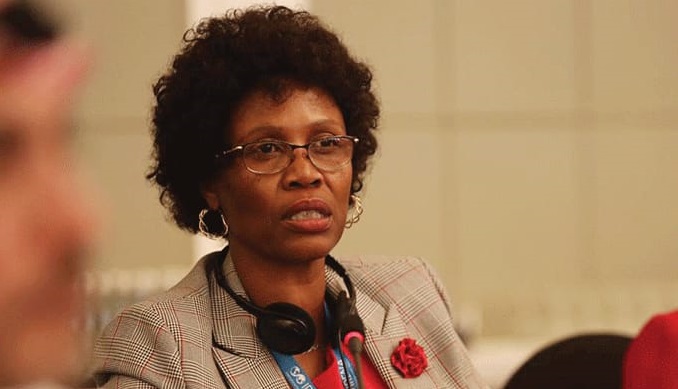
Michael Tome
Business Reporter
THE Government is targeting universal household access to electricity by 2030, driven by an aggressive grid expansion programme and increased investment in renewable energy.
Representing Energy and Power Development Minister July Moyo at the inaugural Zimbabwe edition of the Energy Forum for Africa (ZIM-EFFA) earlier today, Permanent Secretary in the ministry, Engineer Gloria Magombo, said Government plans to connect about 320 000 households to the national electricity grid and provide off-grid electricity solutions to a further 200 000 households annually between 2025 and 2030.
The forum, held under the theme “Investment Opportunities in Zimbabwe’s Expanding Energy Transition,” brought together Government officials, investors, financiers, industry leaders, researchers and development partners to explore financing opportunities for Zimbabwe’s energy sector.
Engineer Magombo said expanding access to reliable electricity remains central to the country’s economic transformation agenda, with the energy sector expected to play a key role in supporting industrial production, mining, agriculture and other productive sectors.
“Our target is to achieve 100 percent household access to electricity by 2030 by connecting approximately 320,000 households to the national grid and 200,000 households through off-grid solutions every year between 2025 and 2030,” Eng Magombo said.
She said the Government was simultaneously modernising electricity generation infrastructure, strengthening the national transmission and distribution network and accelerating investments in cleaner energy technologies.
The strategy includes expanding investment in solar, hydro, wind and other renewable energy sources while also improving existing generation capacity through modern technologies.
As part of the transition, Zimbabwe aims to increase installed renewable electricity generation capacity from 1 282 megawatts in 2024 to 2 640MW by 2030, accounting for nearly half of the country’s projected generation capacity.
She also highlighted plans to raise the contribution of renewable energy sources, excluding large hydroelectric power, from 7.8 percent to 29 percent of the national energy mix by 2030.
The Government is also targeting 200MW of net-metered solar generation capacity between 2026 and 2030, a move expected to encourage private sector participation in distributed renewable energy generation.
Beyond electricity supply, the Government also intends to improve access to clean cooking technologies, targeting an increase in household access from 38.6 percent to 70 percent by 2030 as part of efforts to reduce reliance on traditional biomass fuels and improve environmental sustainability.
Engineer Magombo said the country’s energy transition agenda presents significant commercial opportunities for both domestic and international investors.
“These are not just national development targets; they represent bankable investment opportunities for those who want to be part of Zimbabwe’s industrial transformation,” she said.
Zimbabwe River Authority (ZRA) Acting chief executive officer, Eng Christopher Chisense, said rising energy demand across the region was being driven by accelerated industrialisation, the expansion of mining and manufacturing activities, agricultural modernisation and efforts to improve public service delivery.
He said the growing demand for reliable electricity was prompting governments and power utilities to invest in expanding generation capacity, upgrading transmission infrastructure and mobilising capital for cleaner and more diversified energy sources.
“Across our region, energy demand is increasing as countries pursue industrialisation, expand mining and manufacturing, modernise agriculture and improve public services.
‘At the same time, governments and utilities are working to increase generation capacity, strengthen transmission systems and attract investment into cleaner and more diversified energy solutions,” Eng Chisense said.