Chronicle Editor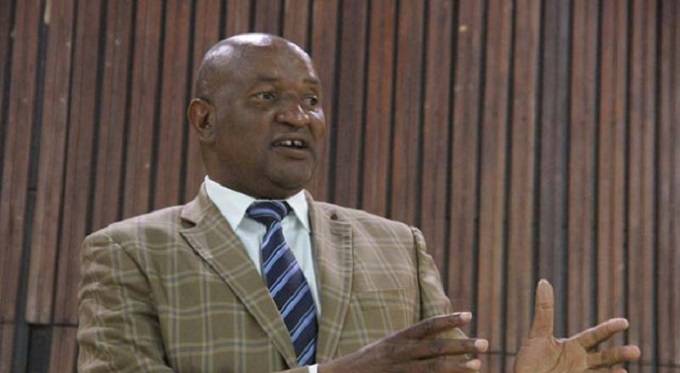
Robin Muchetu, Senior Reporter
THE Government has reaffirmed its commitment to intensify community monitoring mechanisms that will help identify families and individuals that require Government assistance as part of efforts to ensure that no one is left behind in accessing safety nets that are available for vulnerable people.
This comes on the backdrop of an increased child-headed families, children not going to school as well as adults and children living on the streets, some of whom have been seeking help on various media platforms. Public Service, Labour and Social Welfare Deputy Minister Cde Lovemore Matuke said there was a yawning information gap that exists between communities and the ministry that they sought to close to ensure that those who should benefit do so.
“I think there is an information and knowledge gap between what our ministry does and what the people know. It is evident that the public is not aware of what exactly we offer and do in the ministry. We need to go out there and tell them of our mandate so that they know where to find help. Our officers will be stepping up efforts of community education and engagement.
“We admit that people are not aware of where to go and get the necessary assistance which should not be the case,” he said.
Recently a 12-year-old Bulawayo orphan made headlines with reports that she had been taking care of her ailing grandmother and two siblings in Mpopoma suburb.
The woman, Mrs Ellen Moyo was facing eviction from her lodgings after failing to pay rentals as she had no source of income.
“We have a budget for such cases of child-headed families and other vulnerable groups, we have funding in cash, school fees payment and food, so we encourage such people to get in touch with us if we have not reached them so that they get help. The President has made it very clear that no one should be left behind in getting into programmes that sustain their lives and we are doing just that,” said Cde Matuke.
The Department of Social Welfare, according to Cde Matuke has been visiting homes of orphans, vulnerable people and child-headed families to make assessments of their needs and sending assistance to the vulnerable households.
He said social safety nets such as the Basic Assistance Education Module (BEAM) was available but because of limited knowledge of its existence and how it operates, it was being under-utilised while deserving learners were missing out.
The Deputy Minister urged community leaders to also play a role in informing their constituencies of the availability of social safety nets.
“I encourage councillors, all traditional leaders and general members of the community to be always aware of the status of the people around them, they must be the first to identify such cases like the Bulawayo one as they are on the ground. Once they are aware, they then inform the district social welfare officers who are required to act on the cases so that people get assisted timeously. Facilities like BEAM can be fully utilised if communication is improved so that people know where to go to access it,” he said.
The Ministry of Public Service, Labour and Social Welfare, he says, has an open-door policy where those in need could approach them directly and be assessed for assistance.
On the issue of street kids and a growing adult population that lives around the country’s streets, Cde Matuke said they were a difficult lot to remove from the streets although the Government was making efforts to alleviate the situation.
“Street children are there and we have tried to remove them but it’s not an easy task. The First Lady once rounded them up and they were sent to various homes. There are many homes that can accommodate the street children. These homes are not fully subscribed so there is not enough room for them but the challenge is that these children run away and find themselves on the streets again.
“They just hate the confines of the home and want to be free to do as they please. After the intervention of the First Lady quite a number were put in the homes but after a very short space of time they had run away and were back in the streets. So, we can never completely get rid of the children on the streets, we can only try to reduce them,” said Cde Matuke.
He said the reintegration of street children and adults with their families was a challenge as there were usually unresolved conflicts that might have led to the children running away from home into the streets, so returning to live there was a challenge in many cases. — @Nyembezi.



 Online Reporter