Online Reporter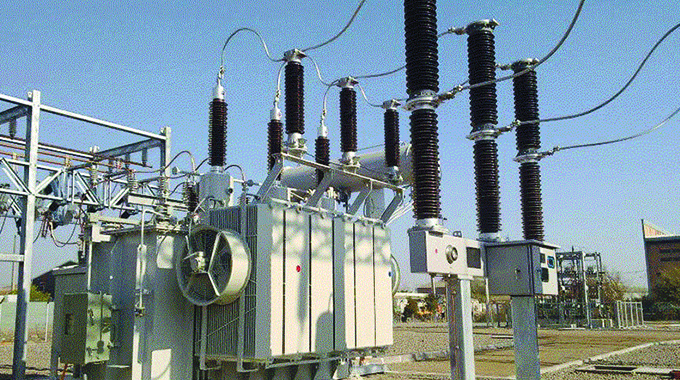
Nelson Gahadza, Zimpapers Business Hub
THE Government will next year launch a competitive Independent Power Producer (IPP) procurement framework aimed at transforming Zimbabwe’s energy sector, boosting investment, and improving energy security.
Finance, Economic Development and Investment Promotion Minister Professor Mthuli Ncube said the initiative is designed to enhance the energy market and attract both domestic and international investment through a more liberalised and transparent approach.
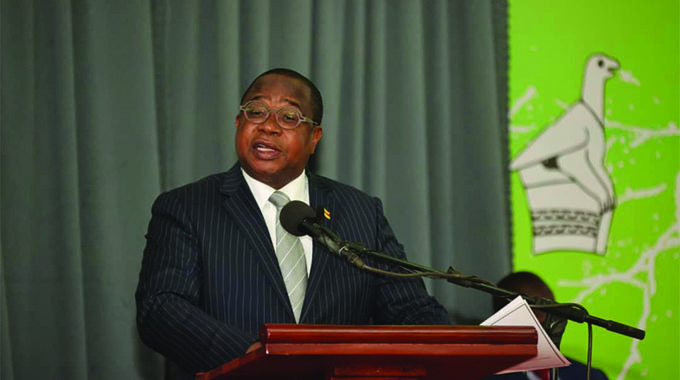
“The new framework will be underpinned by several key measures, including facilitation by the Government to ensure that all IPP procurement processes are open and competitive, with clear and transparent guidelines for participation. This is aimed at attracting reputable investors and fostering innovation in power generation,” he said in the 2026 strategy paper.
Over the years, IPPs in Zimbabwe have struggled to attract significant private investment due to a combination of structural and regulatory challenges. The country’s available generation capacity stands at approximately 1 500 megawatts (MW), against a national demand of around 2 200MW, particularly during the winter months.
This shortfall is expected to worsen significantly, with demand projected to exceed 5 177 MW by 2030, driven largely by expansion in the energy-intensive mining, manufacturing, and agriculture sectors.
As power demand grows, the Government has been actively pursuing initiatives to promote investment in energy production and increase domestic generation capacity.
Minister Ncube said, in collaboration with key energy stakeholders, the Government will strengthen the independence and capacity of regulatory agencies to ensure fair treatment of all market participants.
“Streamlined regulatory and permitting processes are expected to reduce delays and uncertainties for new projects, while a dedicated IPP procurement office will co-ordinate all related activities and stakeholder engagement,” he said.
Analyst Tanaka Mapfumo welcomed the plan, noting that the competitive IPP framework promotes a diversified energy mix and prioritises investment in renewable sources such as solar and hydro. These, she said, can reduce dependence on a single energy source and help mitigate climate change risks.
“The framework will attract reputable investors and foster innovation in power generation, which could lead to an increase in energy production and help to bridge the deficit,” she said.
She also pointed out that Zimbabwe’s energy sector has long struggled to attract private investment due to regulatory and structural challenges, and that the new framework must address these issues to succeed.
“The plan relies heavily on private sector investment, which can be unpredictable and subject to various risks, including policy and regulatory risks.
As a result, the successful implementation of the plan will require effective coordination among various stakeholders, including Government agencies, private sector players, and regulatory bodies,” said Mr Mapfumo.
Minister Ncube said that the Government will continue scaling up investments in the energy sector to meet rising demand through the implementation of new projects and the maintenance and upgrading of existing, obsolete facilities.
He said achieving energy self-sufficiency requires a stable, transparent, and adaptive regulatory environment, and that the Government will continue strengthening regulatory frameworks to provide investor clarity and attract long-term capital, including through public-private partnerships and innovative financing mechanisms.
“Institutional reforms will also focus on enhancing market efficiency, supporting transparent procurement, and de-risking private sector investment,” he said.
The finance minister further highlighted that Zimbabwe will continue to leverage regional power pools and cross-border interconnections to improve energy security and optimise resource utilisation.