

 Chronicle Editor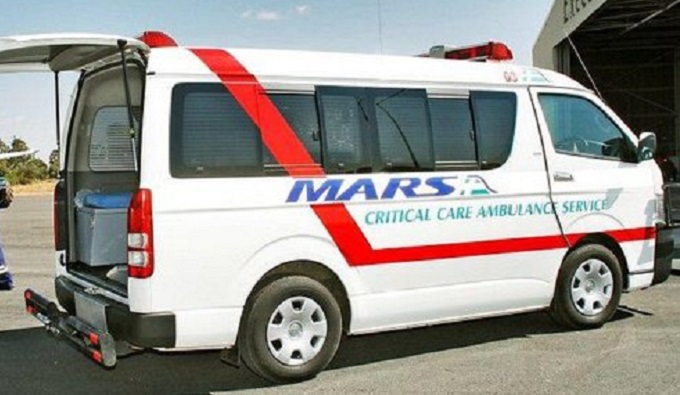
Thandeka Moyo, Health Reporter
GOVERNMENT is working on improving inadequate emergency transport and communication systems in public hospitals which contribute to deaths at these public institutions.
The Transitional Stabilisation Programme (TSP), which is set to guide Zimbabwe’s socio-economic development up to December 2020, shows there will be deliberate investments to enhance the systems and quality of the health delivery system.
Most health institutions are run without ambulances and in cases where vehicles are available, poor road networks make it difficult for medical practitioners to transport patients during life threatening emergencies.
The development has over the years also led to the high maternal mortality in the country as statistics show that about eight women die weekly while giving birth.
“The programme seeks to deal with inadequacy of emergency transport and communication systems, which have a bearing on mortality rates. It also targets incremental investments to achieve equitable coverage and enhanced quality of health delivery to address a number of critical challenges,” reads the TSP.
Part of the challenges listed in the document include sub-standard quality of maternal health services such as ante-natal care and post-natal care programmes, which are supposed to be given to expectant mothers.
“The programme is also aimed at addressing the prevention of mother-to-child transmission of HIV and sexually transmitted infections which are a threat to the health system,” reads the document.
“Medicine shortages including family planning options together with a growing burden of non-communicable diseases, due to sub-optimal dietary habits, lifestyle, and poor health services will also be dealt with.”
The TSP crafted by Finance and Economic Development Minister Professor Mthuli Ncube will also strengthen health and management information system at all levels.
It states that Government will invest in mitigation of environmental pollution, poor water, sanitation, and hygiene (WASH) infrastructure, nutrition and food security issues, which continue to affect the health status of citizens. —@thamamoe



 Online Reporter