Online Reporter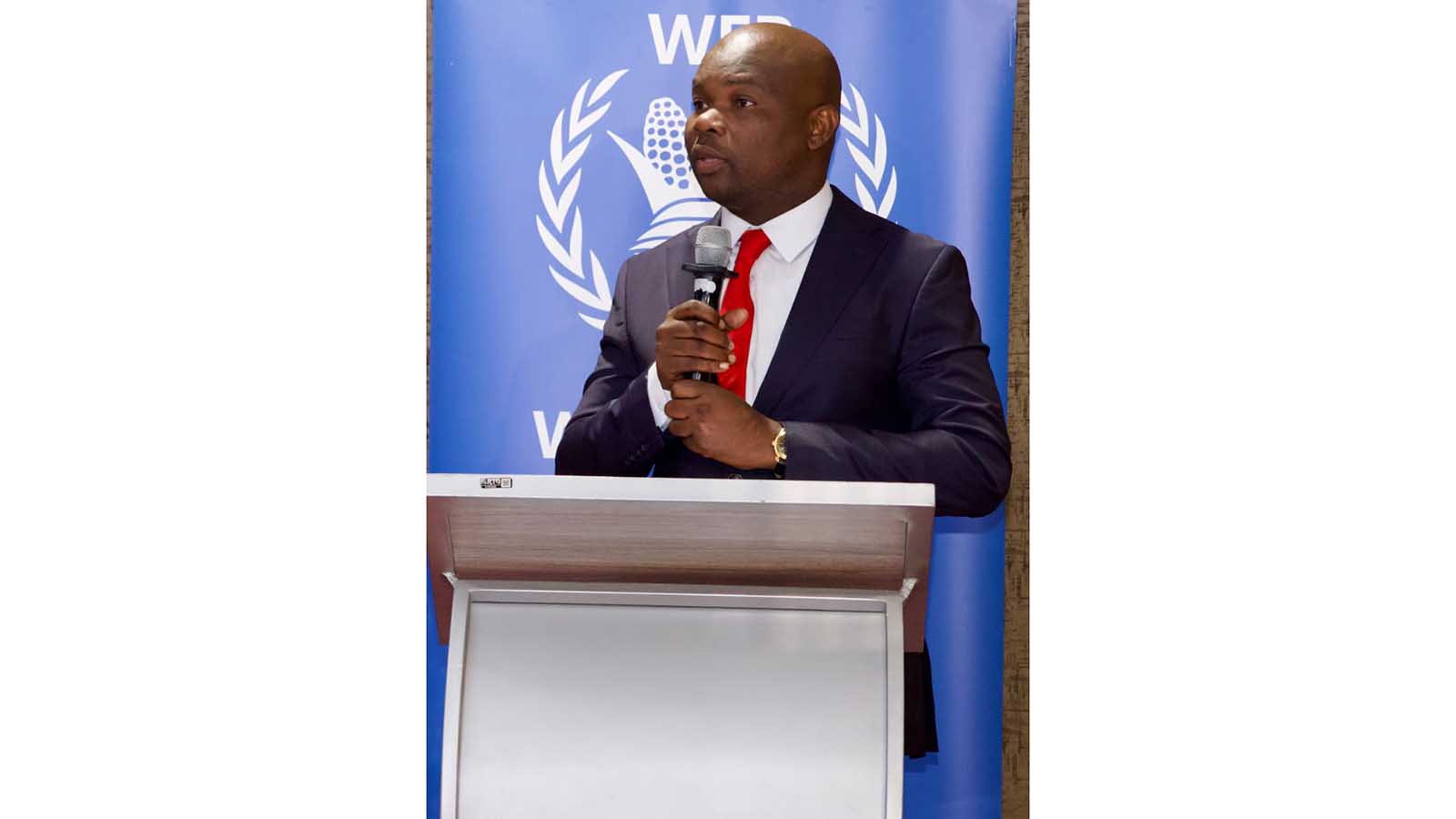
Theseus Mauruki Shambare
THE Government of Zimbabwe and the World Food Programme (WFP) have launched a Youth Empowerment Leadership Programme (YELP) aimed at strengthening youth leadership, skills development and participation in national development processes as part of efforts to tackle unemployment and expand economic opportunities for young people.
The programme was officially launched in Harare on Monday, bringing together Government officials, United Nations agencies, development partners and young leaders selected for the inaugural cohort.
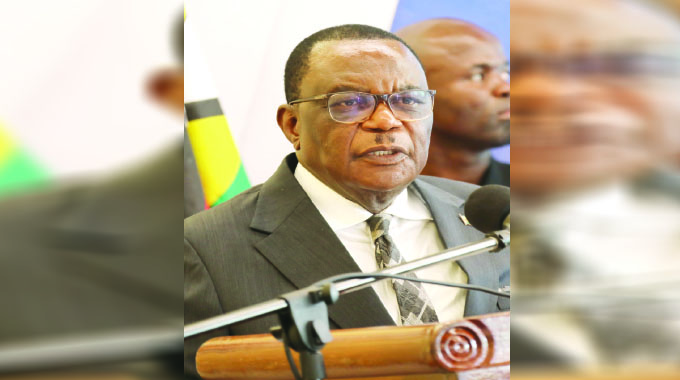
Speaking at the launch, Youth Empowerment, Development and Vocational Training Minister Tinoda Machakaire said the initiative reflects Government’s commitment to placing young people at the centre of Zimbabwe’s development agenda under the National Development Strategy 2 (NDS2).
He said youth empowerment is not incidental but a deliberate and strategic pillar for national development.
“Zimbabwe is currently at a crucial point in its development journey. We are a youthful nation, abundant in talent, energy and potential,” said Minister Machakaire.
“However, we recognise that potential alone is not sufficient. It needs to be nurtured, structured and supported through intentional policies and sustained investment.”
He said the Government’s National Youth Empowerment Strategy is guiding efforts to ensure young people are actively involved in economic transformation, innovation and leadership development.
He said the partnership with WFP and the wider United Nations system demonstrates the importance of coordinated efforts in addressing youth challenges.
“This is a true example of meaningful partnership where ideas are transformed into action and commitments are turned into tangible opportunities,” he said.
Minister Machakaire also urged the private sector to play a stronger role in youth development by investing in young innovators and entrepreneurs rather than only focusing on entry-level employment.
“To our private sector partners, your role is indispensable. Invest in youth not by providing menial jobs but by supporting them as innovators, entrepreneurs and partners in economic transformation,” he said.
WFP Deputy Country Director, Mr Billy Mwiinga, said the Youth Empowerment Leadership Programme represents a strategic shift in how development partners are engaging young people, moving beyond traditional training models to leadership, systems thinking and long-term empowerment.
He said the programme was designed to ensure that young people are not only equipped with skills, but are also directly connected to opportunities, institutions and decision-making platforms that shape development outcomes.
“This initiative is innovative and strategic. It demonstrates how an organisation like WFP can evolve its thinking and respond to emerging development priorities in a way that is both practical and forward-looking,” said Mr Mwiinga.
He said the programme reflects a broader shift for the development community to invest more intentionally in youth.
“It is about asking ourselves – what more can we do, and who else do we need to invest in to truly achieve our mandate?” he said.
Mr Mwiinga said the Youth Empowerment Leadership Programme also aligns with national development priorities, particularly in areas such as food systems transformation, innovation and resilience building.
He said the programme is built on strong collaboration with Government and development partners to ensure that youth empowerment is not fragmented, but coordinated and impactful.
Mr Mwiinga said the first cohort of young fellows will be exposed to practical leadership development, mentorship and institutional engagement aimed at preparing them for roles in shaping Zimbabwe’s development trajectory.