Online Reporter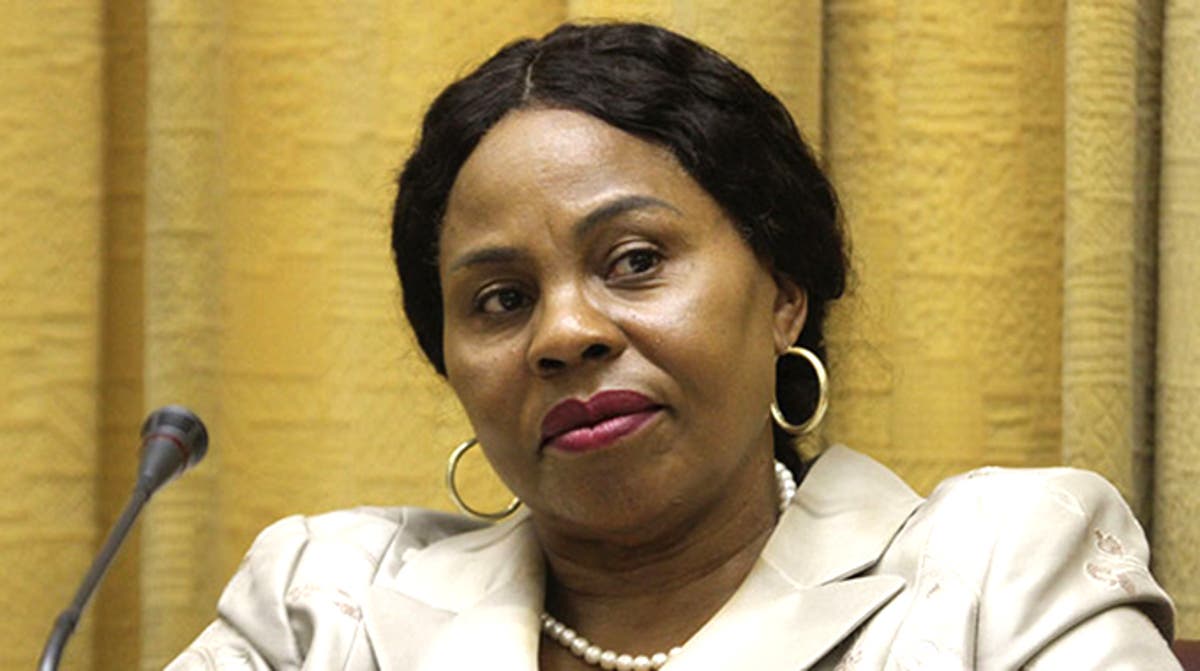
Alicia Kadzviti
Herald Reporter
Government has reaffirmed its commitment to taking stronger action against gender – based violence (GBV), tackling poverty and advancing the economic empowerment of women and girls in Zimbabwe.
Speaking during a courtesy call by the World Bank country manager, Elida Martinez, Women Affairs, Community, Small and Medium Enterprises Development Minister Monica Mutsvangwa said the initiative is transformative and aligns with Zimbabwe’s Vision 2030 and the National Development Strategy 2 (NDS2).
She highlighted that her ministry’s focus is on ending GBV, strengthening menstrual hygiene management and advancing economic empowerment for women and girls.
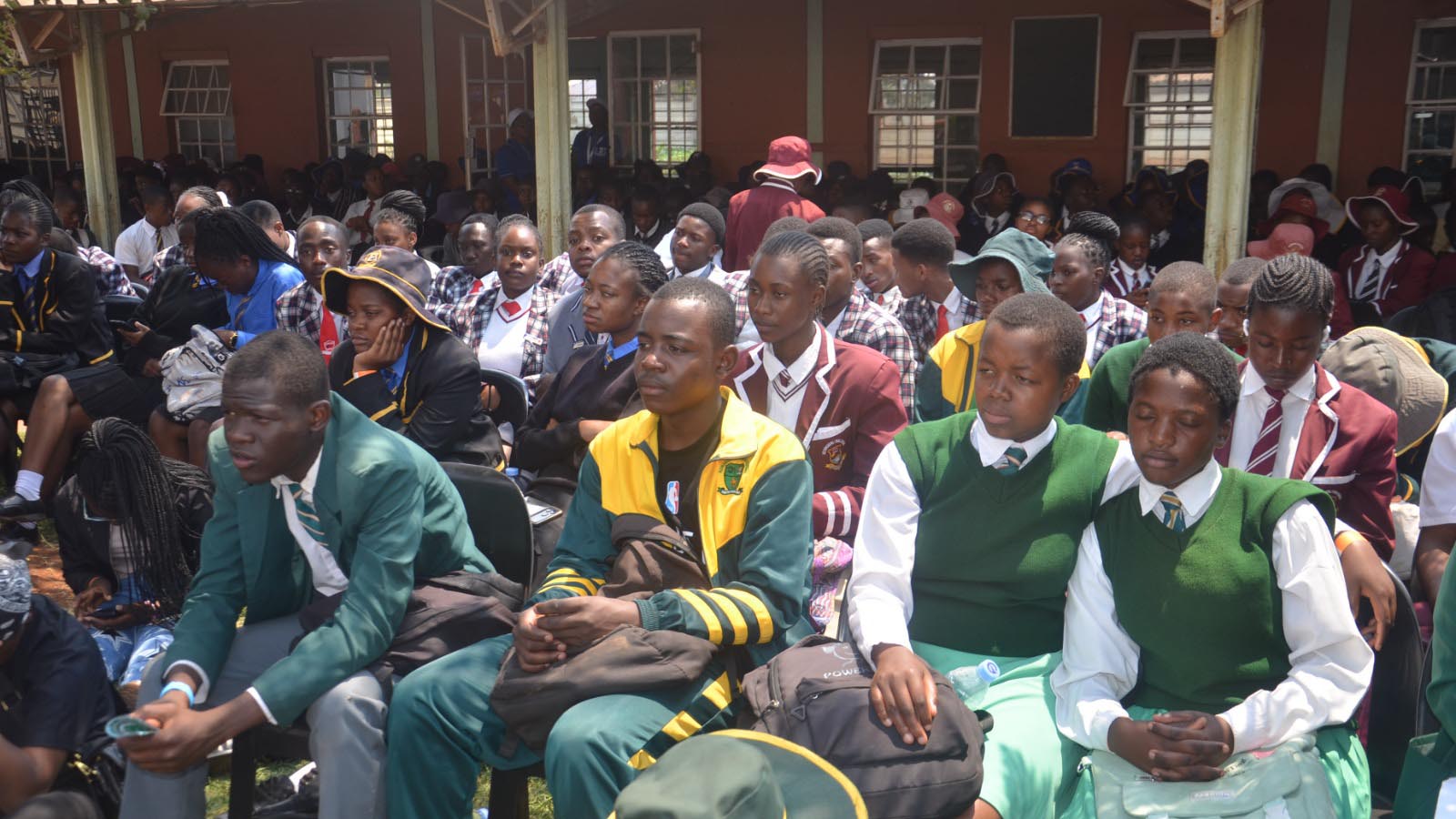
She noted that recent research findings guide evidence-based programming as women and girls continue to face serious challenges in accessing adequate menstrual hygiene services, resulting in persistent period poverty, particularly among school-going girls.
“The interventions to support access to menstrual hygiene services will greatly improve the menstrual health of girls and ensure girls do not miss lessons due to menstruation,” she said.
Minister Mutsvangwa also underscored the importance of research undertaken under the project to support evidence-based programming, especially on menstrual health, economic empowerment, unpaid care work and GBV.
She said findings on the cost of GBV in Zimbabwe would inform the development of an Investment Case and Financing Models aimed at strengthening domestic resource mobilisation amid declining donor funding.
“The Cost of GBV findings clearly identify the major cost drivers in GBV response, including health, policing, justice and productivity losses,” she said.
She added that a dedicated platform will be established to share and validate the findings with key stakeholders.
Deputy Minister Kiven Mutimbanyonyoka said the Government was promoting cooperative models to empower women economically.
“We encouraged and revived the spirit of cooperatives so that when ladies come together and pool their resources, we can assist them to acquire land, set up and start doing their businesses,” he said.
He added that partnerships with organisations such as the World Bank, UN Women and the International Labour Organisation had enabled the establishment of integrated workspaces where women can trade while accessing childcare facilities.
Ms Martinez said three themes emerged strongly from the engagements: power, time and safety.
“Zimbabwe’s girls and young women are ambitious. Many aspire to go to university, to meaningful work, to leadership. Yet, the wide gap persists between dreams and outcomes,” she said.
Martinez highlighted early marriages, early childbearing and limited information about returning to education as factors narrowing girls’ pathways.
“Power grows when aspirations meet real options, clear pathways through secondary school, role models in productive sectors and social supports at home,” she said.
Martinez warned that GBV was both a human tragedy and an economic constraint, revealing preliminary estimates that its cost is about US$1,36 billion annually, close to 4 percent of GDP.
“We cannot credibly speak about growth, jobs and inclusion if women are not safe in their homes, on the way to school or work and in public spaces. Safety is the floor. Without it, nothing else stands,” she said.
The minister reaffirms her ministry’s commitment to coordinate the implementation of the project’s interconnected components to ensure a holistic approach in addressing the needs of women and girls.
“This collaboration and work are crucial to us as it aligns with our national blueprint, vision 2030 and also the Agenda 2030 for sustainable development,” she said.