
Rumbidzayi Zinyuke
Senior Reporter
MORE than 78 000 Zimbabweans have returned home from South Africa in the wake of xenophobic attacks on foreigners in that country.
This comes as more foreign nationals continue to be displaced by the wave of anti-migrant protests and related disturbances in South Africa.
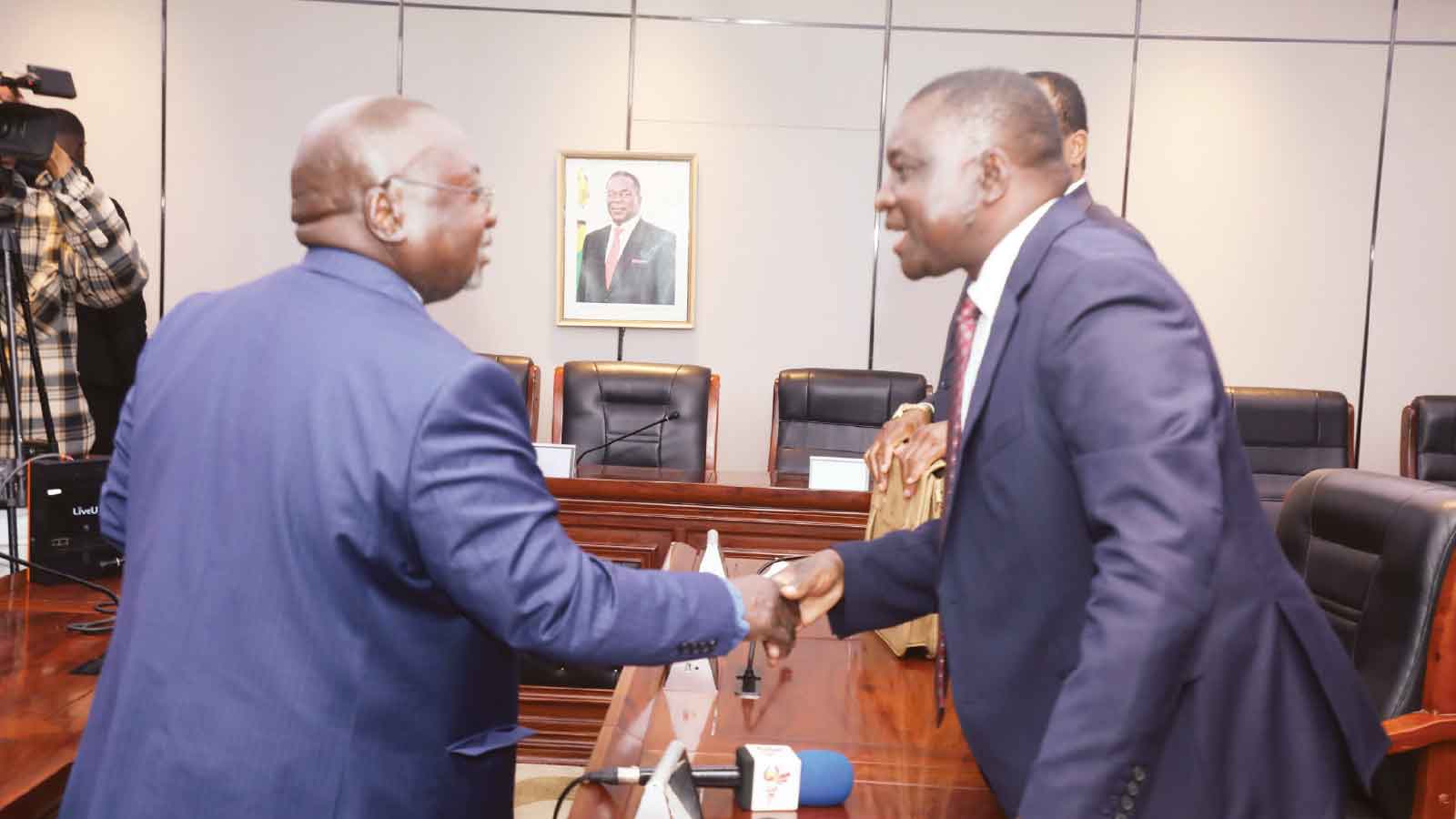
Speaking after yesterday’s Cabinet meeting, Information, Publicity and Broadcasting Services Minister Dr Zhemu Soda said the Government had adopted a comprehensive framework to facilitate the return and reintegration of Zimbabweans from the Diaspora.
Since the commencement of the exercise, he said, private and Government-assisted arrangements had ensured the safe return of more than 78 000 people.
“To date, approximately 21 291 Zimbabwean nationals have been repatriated through Government-assisted arrangements since the commencement of the exercise on 28th May 2026, while an estimated 56 832 returned independently through self-repatriation mechanisms during the same period,” Dr Soda said.
The massive return programme, coordinated through the Beitbridge Reception Centre, has seen authorities deploy transport, healthcare, psychosocial support and social protection services to ensure returning Zimbabweans are received in an orderly manner.
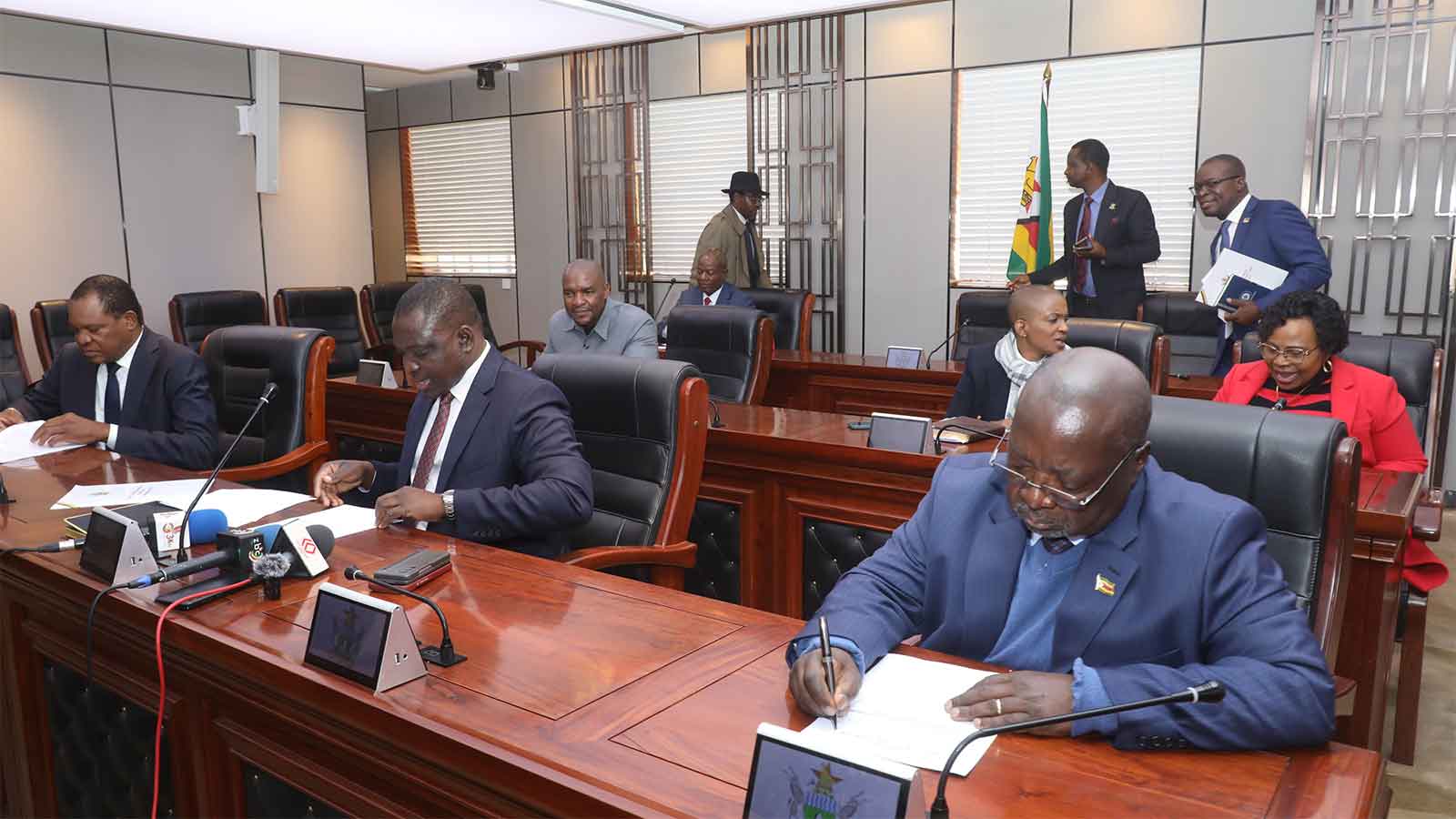
Dr Soda said Cabinet had adopted a Whole-of-Government and whole-of-society approach to facilitate the repatriation and reintegration.
“A wide range of interventions are being implemented to facilitate the repatriation and re-integration exercise, including the establishment of a 24-hour command centre at Beitbridge Border Post, deployment of 50 ZUPCO buses to transport returnees to their provinces, provision of reception, registration, profiling, screening, social protection, psychosocial support and reintegration services, temporary accommodation facilities, a temporary clinic and ambulances for emergency response, as well as mobile ablution facilities to improve sanitation,” he said.
The Government was working closely with the private sector, United Nations agencies, development partners and well-wishers, who were complementing State efforts through the mobilisation of resources for transportation, reception and reintegration.
Dr Soda said Malawian nationals who had been stranded at Dulibadzimu suburb in Beitbridge had since been successfully repatriated through the intervention of their diplomatic mission.
Government says the repatriation programme goes beyond transporting returnees, with support being provided through healthcare, psychosocial counselling, social protection and other reintegration services to enable Zimbabweans returning home to settle back into their communities with dignity.
President Mnangagwa this week assured Zimbabweans returning from abroad that the Government had put in place comprehensive measures to facilitate their smooth reintegration into society.
“I want to assure all our people returning from the diaspora that our ZANU PF-led Government has put in place comprehensive plans for the seamless, safe, orderly and dignified re-integration. Our hands, therefore, are outstretched to receive all those coming back home. You are welcome. Tinokugamuchirai. Siyalamukela. Welcome home,” the President said.
Zimbabwe activated the repatriation programme following a wave of illegal anti-immigration demonstrations organised by the March and March movement across South Africa.
While organisers said the demonstrations were intended to push for stricter enforcement of immigration laws and were not directed at any particular nationality, some protests degenerated into violence, with incidents of looting, destruction of businesses and other property linked to foreigners reported in parts of Gauteng and KwaZulu-Natal.
South African police arrested more than 900 people for offences including public violence, looting, robbery and immigration-related violations, while the government deployed more than 3 000 soldiers to support police in restoring order.
The unrest also prompted several African countries to facilitate the voluntary return of their citizens.
Besides Zimbabwe, Malawi organised the repatriation of its nationals stranded at the Beitbridge border, while other countries, including Mozambique, Nigeria and Ghana, monitored the situation closely and worked through their diplomatic missions to assist citizens who wished to return home.
This week, South African authorities also sought to reassure documented migrants, saying most foreign nationals screened during recent operations were legally in the country.
The Department of Home Affairs in KwaZulu-Natal said it had profiled 457 foreign nationals who had sought protection in Durban and found that only two were in the country illegally, with the remainder holding valid documentation or undergoing permit renewal processes.
South African authorities have maintained that the ongoing operations are aimed at enforcing immigration laws while respecting the rights of documented migrants.
They have also reiterated that holders of the Zimbabwe Exemption Permit remain legally entitled to live and work in South Africa until the current dispensation expires in May next year.