admin
admin
Sifelani Tsiko Agric, Environment & Innovations Editor
Zimbabwe needs to upscale the restoration of forest-related biodiversity and ecosystems to ensure the long-term survival of the country’s forests, a Cabinet minister says.
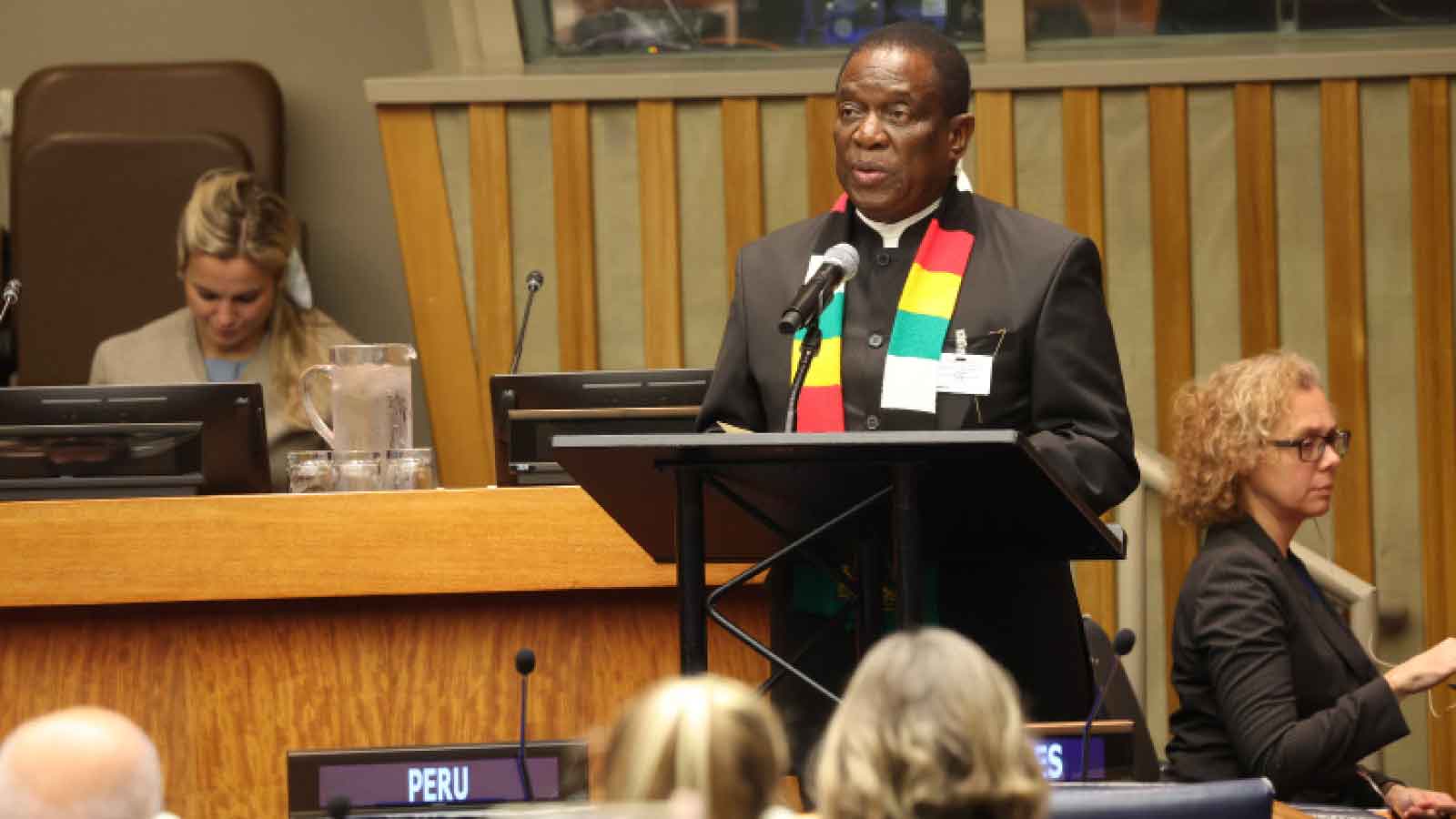
Minister of Environment, Climate, Tourism and Hospitality Industry, Mangaliso Ndhlovu told participants at the international symposium on forestry on Thursday that the Government supported any action that could be taken to halt and reverse the loss and degradation of forests in the country.
“There is a need for all stakeholders especially our communities to engage in forest restoration activities in line with our various commitments to halt and reverse forest loss and land degradation by 2030, while delivering sustainable development and promoting an inclusive rural transformation,” he said.
The symposium organised by the Forestry Commission brought together more than 100 participants drawn from the public and private sectors, NGOs, civil society organisations, scientific bodies, academics and forestry experts.
Stakeholders reviewed and discussed various issues to help combat deforestation in Zimbabwe.
In addition to this, participants took stock of the ongoing forest landscape restoration efforts from local, regional to global. The symposium was held under the theme: “Forest Restoration for Climate Change Mitigation and Adaptation.”
“Stakeholders must actively participate in restoration programmes and climate change mitigation intervention as a means to enhance contributions towards sustainable development and achieving net zero emissions from all production sectors by 2030,” said Minister Ndhlovu.
He also said there was a need to reverse negative and devastating trends to saving the country’s forests.
The Bonn Challenge, also known as AFR100, is one example of a strong collective landscape restoration commitment by countries. Zimbabwe committed to restoring 2 million hectares of degraded forest landscapes by 2030.
This has a significant impact on transforming the national forest landscape and also enhancing the forest sector’s mitigation potential under the Paris Agreement’s Nationally Determined Contributions (NDCs).
“Landscape restoration at such a large scale provides an opportunity to improve people’s livelihoods, through the creation of green jobs, as well as reversing the devastating effects of deforestation and climate change,” Minister Ndhlovu said.
Over the last 50 years, Zimbabwe has lost over 40 percent of forest cover. The rate has been accelerating and at present Zimbabwe loses about 262 000 hectares of forests a year.
This was unsustainable given that forest cover stood at about 45 percent of the country’s area. Worldwide, more than half of the world’s original forests have been cleared or degraded.
Experts said there was a need for immediate halting of further destruction of national forests, fighting forest crime, tackling illegal logging, promoting certification, facilitating community-based forest management and halting forest conversion.
Net loss of forests is still increasing in Africa with 4 million hectares of forests disappearing every year.
Africa’s drylands are vulnerable to climate change and their restoration is a priority for adaptation and building resilient and sustainable food systems.
“There is a greater need for cooperation, especially between the north and the global south to unlock opportunities including funding to support sustainable forest management and other interventions for reducing emissions including enhancing sustainable livelihoods, ” said Ndhlovu.
Other experts called for more efforts to restore forests.


 Online Reporter