Online Reporter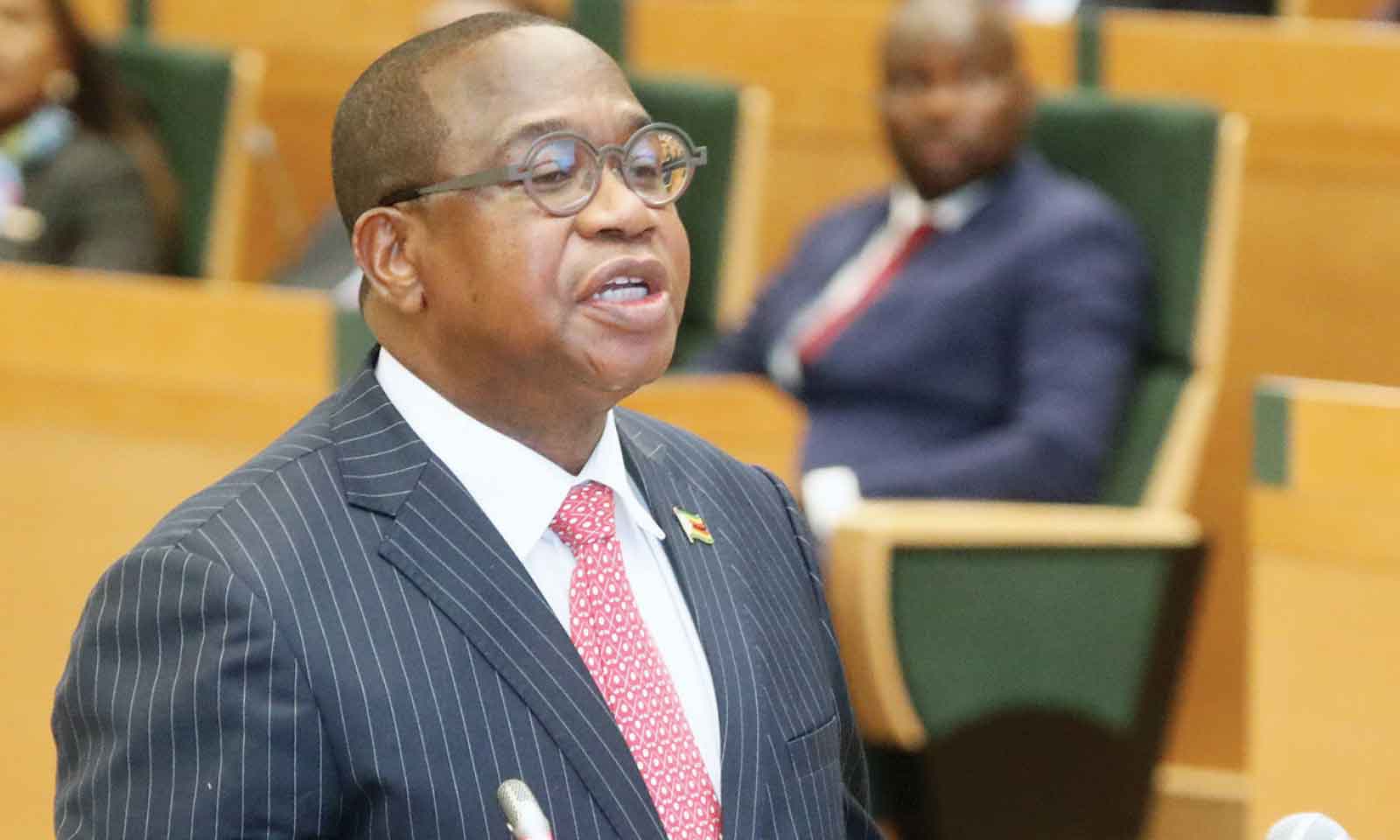
Sunday Mail Reporter
THE rehabilitation of the National Railways of Zimbabwe (NRZ) has entered an advanced phase, with the Government confirming it will seek a private partner to fund the massive overhaul through a resource-financed infrastructure (RFI) model.
According to Finance, Economic Development and Investment Promotion Minister Professor Mthuli Ncube in the 2026 National Budget Statement, the model will leverage mineral resources to attract capital for rail rehabilitation.
“Government is now at an advanced stage of engaging an external private investor to rehabilitate the railway network, leveraging on mineral resources under a structured Resource Financed Infrastructure (RFI) model,” said Prof Ncube.
Zimbabwe’s rail infrastructure has significant capital requirements.
According to the African Development Bank’s flagship Zimbabwe Infrastructure Report (2019), the country’s rail infrastructure accounts for “the highest proportion” of national transport investment needs, estimated at US$2 billion of the transport sector funding gap of US$24,5 billion for the period 2017 to 2036. This makes rail the single largest capital requirement in the country’s entire transport sector. With rail absorbing the largest share, the recapitalisation of the NRZ is central to closing this deficit.
In terms of the proposed RFI model, the private investor will inject funding for the renewal of the railway network, while simultaneously pursuing mining development through a joint venture with Government through the NRZ. This arrangement, the budget said, has been successfully applied in various countries.
A feasibility study has been completed, indicating that approximately US$600 million is required for Phase 1 of the NRZ rehabilitation. Under the proposed structure, the Government will provide mining concessions to the joint-venture company as its equity contribution, while the investor supplies capital and expertise for the upgrade of the railway system.
Revenues generated from the joint-venture operations will fund subsequent phases of the rehabilitation programme.
The Government emphasises that a functional and efficient railway system is essential to modernising the economy, reducing transportation costs, easing pressure on road infrastructure and enhancing trade competitiveness. Following President Mnangagwa’s visit to China in September, the country signed a US$533 million agreement with China Railway International Group (CRIG) to rehabilitate its railway system, a development set to position the country as the region’s logistics hub.
The public-private partnership (PPP) financing approach is expected to unlock value from the mining sector, generate additional revenues, improve the rail network and support other key infrastructure projects.
The 2026 National Budget noted that miners are the major users of the railway system; therefore, the Government will explore further PPPs with local mining houses as part of a broader strategy to revive the sector.