Online Reporter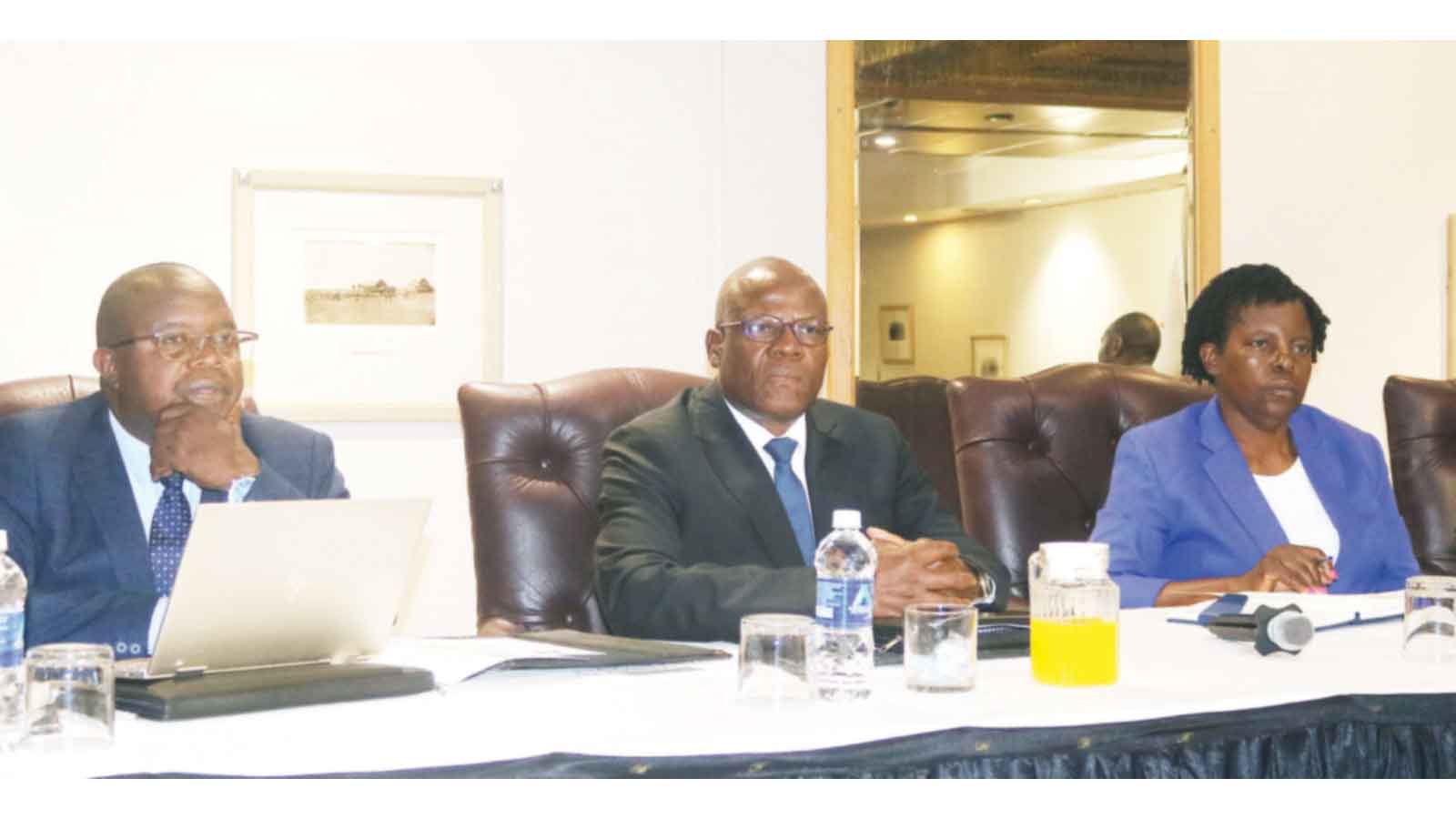
Sharon Jiyamwa
Herald Reporter
A NATIONAL State Enterprises and Parastatals Policy to bring coherence to the ownership and governance of such entities is being formulated to strengthen accountability, performance monitoring and commercial viability.
The proposed policy is expected to provide an overarching framework for the management of State enterprises and parastatals, which have for years operated under different ownership arrangements, legislative instruments and governance structures.
Deputy Chief Secretary to the President and Cabinet Dr Willard Manungo, who was represented by Chief Director Mrs Anna Tinarwo at a stakeholder validation workshop held in Harare yesterday, said the policy was a strategic intervention aimed at addressing longstanding weaknesses in the State Enterprises sector.
“The development of a National State Enterprises and Parastatals Policy is, therefore, not an academic exercise; it is a strategic imperative that will move Zimbabwe’s economy forward,” said Dr Manungo.
The policy would seek to harmonise ownership and governance models across State enterprises, replacing what Government described as a “patchwork of inconsistent arrangements”.
“It will establish clear performance expectations and accountability mechanisms, ensuring that State enterprises are managed with the commercial discipline and professional rigour that their mandates and public resources demand,” he said.
The policy is expected to strengthen the legislative, regulatory and institutional frameworks governing State enterprises, particularly in areas such as corporate governance, corporate finance and performance monitoring.
Dr Manungo said these reforms were necessary to address deficiencies that had affected the performance of State enterprises over the years.
The proposed framework will further clarify Zimbabwe’s hybrid ownership model for State enterprises, particularly following the increasing role of the Mutapa Investment Fund in the ownership of commercial State entities.
“It will provide clarity on the hybrid ownership model for SEPs, where the shareholding of some commercial State enterprises is now centralised under the Mutapa Investment Fund, whereas the shareholding of other non-commercial State enterprises has remained under ministries,” he said.
The stakeholder validation workshop marks the culmination of months of analytical work by consultant Mr Andrea Bettoni and consultations with Government stakeholders and other interested parties.
The draft situational analysis report and draft National State Enterprises Policy have been presented as the foundation for further deliberations before the policy is finalised.
Dr Manungo stressed the importance of stakeholder participation in shaping the policy.
“A policy is only as good as the process that produces it.
“A policy that is developed in isolation, without the active participation of those who will implement it and those who will be affected by it, risks being irrelevant at best and counterproductive at worst.”
The validation process was, therefore, critical in ensuring that the proposed policy reflected the practical experiences and concerns of stakeholders.
He urged stakeholders attending the workshop to scrutinise the draft documents, challenge findings where necessary and provide constructive recommendations to strengthen the final policy.
“This is your opportunity to shape a policy that will define the future of Zimbabwe’s State enterprises and parastatals sector,” he said.
The proposed policy forms part of broader Government efforts to reform State-owned enterprises, improve their performance and ensure they make a more meaningful contribution to national economic development.