Vusumuzi Dube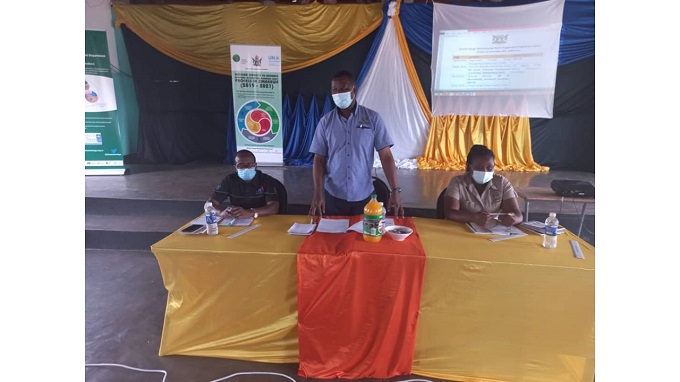
Vincent Gono in Lupane
GOVERNMENT is engaging communities across the country sensitising them on the need to mainstream climate change in their planning as it is threatening livelihoods.
At one of the sensitisation workshops in Lupane on Thurday, permanent secretary in the Ministry of Environment, Climate, Tourism and Hospitality Industry Mr Munesu Munodawafa said climate change was a reality that could no longer be ignored. He said it was only proper for communities to appreciate adaptation and mitigation measures and to factor it in in the planning process.
“We can not pretend that things are okay and normal when evidence backed by studies and what we see on the ground is pointing to the contrary. Climate change is real and the sooner we plan and include it in our budgets the better we lessen it impacts. So we are imploring all departments to mainstream climate change in their budgets,” said Mr Munodawafa.
He said climate change was manifesting itself in a number of ways such as frequent droughts and in weather phenomenon previosly unknown to Zimbabwe as cyclones and prolonged dry spells.
“We never used to have cyclones in Zimbabwe but if you see now, their frequency is increasing. So, this calls for councils and all other departments to put a plan on how they are going to respond to such issues when they occur. We need to put in place a roadmap to adapt and mitigate the effects of climate change. We also need to ensure that our communities build resilience (the ability of a social or ecological system to absorb disturbances while retaining the same basic structure and ways of functioning) through adoption of environmentally friendly and sustainable approaches to their way of life,” he said.
The permanent secretary added that low rainfall meant poor agriculture performance in communities and called for everyone to be on board in as far as planning for climate change is concerned. He said in Matabeleland North province studies have shown that districts such as Hwange, Tsholotsho and Umguza were vulnerable and needed to take climate change planning seriously although that is not to say all other districts are safe.
The director Climate Change Management Department in the ministry Mr Washington Zhakata said it was important for communities to take early warning systems seriosly and urged institutions to ensure their buildings were safe from such issues as cyclones.
“There are buildings even institutions like WhaWha prison. If you look where it is built, in times of cyclones and serious flooding they need to plan ahead. We still have people settling in wetlands and flood plains, these need to have a plan as well because nature has a way of correcting human error and this may happen at the expense of human life which is why it is important for communities to be sensetised and capacitated in terms of knowledge,” said Mr Zhakata.
The director said the idea was to ensure efficiency in water and energy use as well as making sure there was a climate change building strategy where structures speak to climate change risks.
He added that they were carrying out sensitisation workshops in districts where they have covered more than half of the country’s districts. The workshop was attended by various government departments and councillors.


 Online Reporter