Online Reporter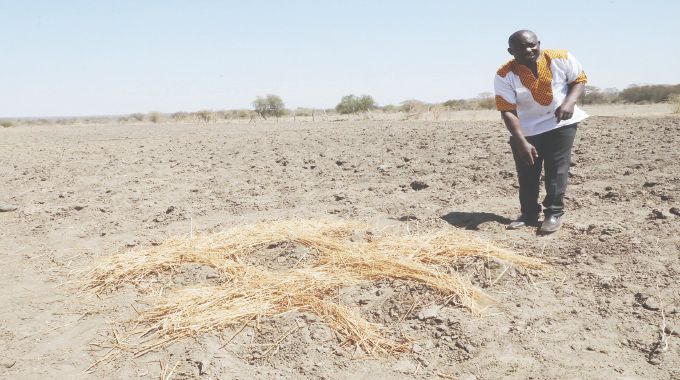
Sikhulekelani Moyo, [email protected]
THE Government says funding for inputs under the Pfumvudza/Intwasa programme is being mobilised, with lime having been added to seed and fertiliser support to boost productivity ahead of the 2026/27 farming season.
Speaking on the sidelines of the Zimbabwe Economic Development Conference (ZEDCON) 2026 in Bula-wayo on Friday, Finance, Economic Development and Investment Promotion Minister Professor Mthuli Ncube said the programme remained a key pillar of Government’s response to the El Nino threat.
“We are proceeding as normal to fund inputs for our Pfumvudza/Intwasa programme recipients. As you know, this is a very important program in terms of productive social protection. So, we’re providing seed, providing fertilizer, and we are being advised by the Ministry of Agriculture, Mechanisation and Water Resource Management that we must make provision for lime as well, to reduce the acidity of the soils under the program,” said Prof Ncube.
Cabinet has approved a six-pillar drought mitigation plan that includes an enhanced strategic grain re-serve, accelerated grain imports and an integrated financing mechanism, following forecasts of below-normal rainfall linked to the El Nino weather pattern.
Prof Ncube said farmers would also continue receiving support through normal agricultural extension services.
“But also, we support the farmers through the normal agricultural extension services. So that program is on course, there are no issues. All it is about timing in terms of getting the right advice,” he said.
He said planting under the programme would be guided by weather and agricultural experts as the country prepares for the potentially difficult season.
“Because with El Nino, I’m told that this year we cannot just rush and plant any time. We’ll be guided accordingly by the experts of weather and agriculture. But that program is well supported,” he said.
“It is a key pillar of our El Nino response agenda, which is composed of six or seven pillars.”
Government is targeting one million hectares under the Pfumvudza/Intwasa climate-smart agriculture programme during the 2026/27 farming season, up from 718 000 hectares previously.
The programme targets smallholder farmers with input packs and promotes conservation agriculture practices such as moisture retention, timely planting and the use of crop varieties suited to different agro-ecological regions.
The expanded target comes as Government seeks to strengthen household food security and reduce the vulnerability of smallholder farmers to drought and erratic rainfall