admin
admin
Victor Maphosa
Mashonaland East Bureau
Land has been found to resettle the 228 families whose homes will be flooded as Kunzvi Dam creates a lake on the border of Goromonzi and Murehwa districts in Mashonaland East.
The families are being relocated to pave the way for the construction of one of the largest dams in the province. Construction is now above 50 percent and is expected to be completed later this year so the reservoir can start filling during the next rainy season.
Already, some of the affected families have been relocated and settled and more are set to be moved soon.
Addressing affected families at the dam construction site last week, Minister of State for Provincial Affairs and Devolution Dr Aplonia Munzverengwi assured all the affected families that they will be given new land.
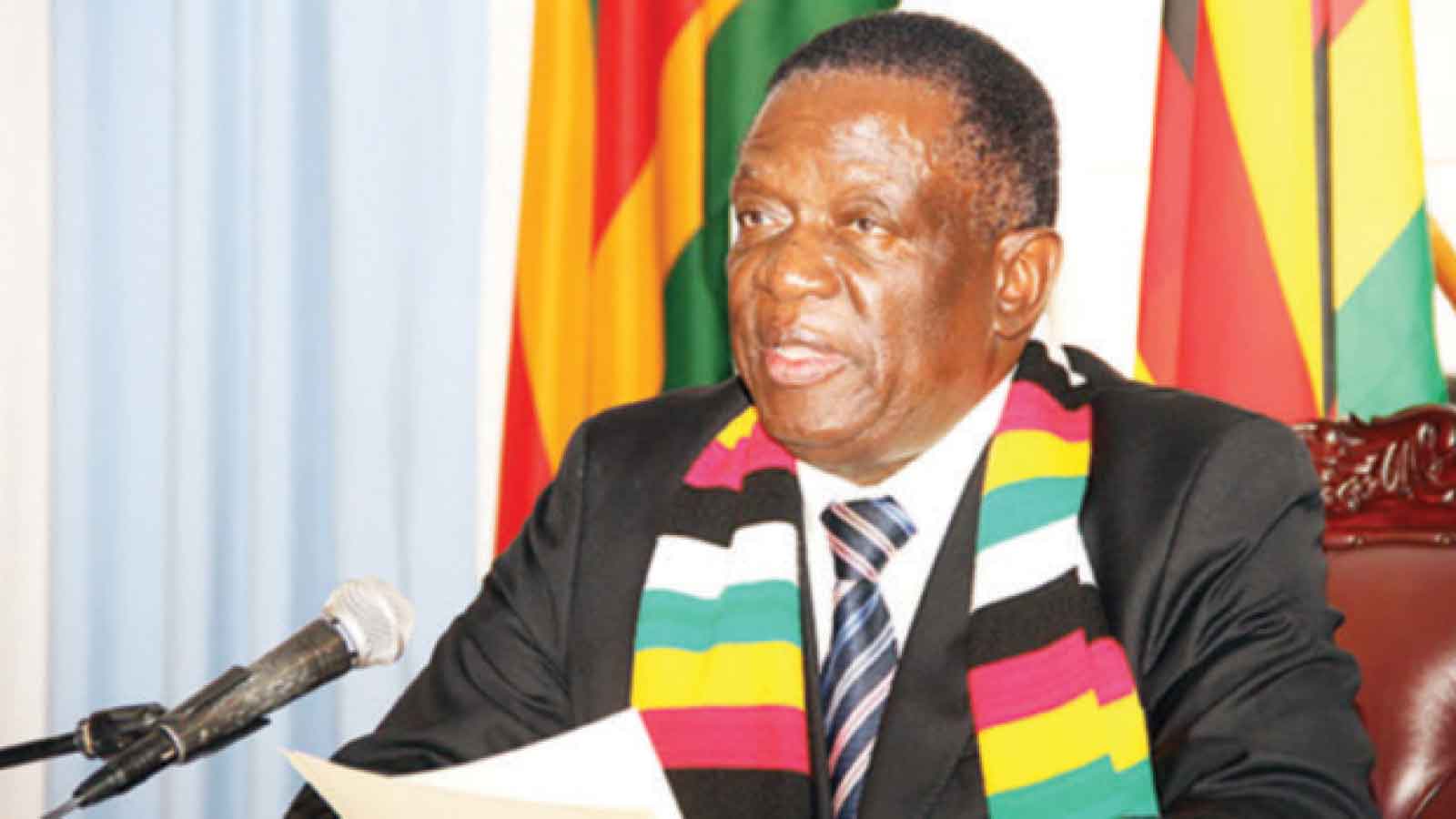
“No one will be left without a place to stay. Already land has been identified and earmarked for that purpose. President Mnangagwa has assured you that no one will be left without a place to stay. Let us be happy that we are having development in this area. I also want to urge the contractor to employ locals from Goromonzi and Murehwa.”
While the dam will largely supply water to Harare province: essentially eastern Harare, Ruwa and parts of Chitungwiza, some of the water has been committed to business centres in Goromonzi and Murehwa districts, with a modest irrigation scheme on the cards, she said.
Dr Munzverengwi said when President Mnangagwa assumed office, he emphasised the importance of development and Mashonaland East is benefiting from several developments.
She said Mashonaland East province’s proximity to Harare has seen the construction of Kunzvi Dam. The same method used to assist affected families during the construction of the Muchekeranwa and Chivhu dams in the province will be used for the affected families at Kunzvi. Dr Munzverengwi thanked President Mnangagwa for the development in Mashonaland East province.
“In Chivhu, people were affected and they are benefiting from an irrigation scheme established by the Government. The same method was used at Muchekeranwa and will be used here,” she said.


 Online Reporter