admin
admin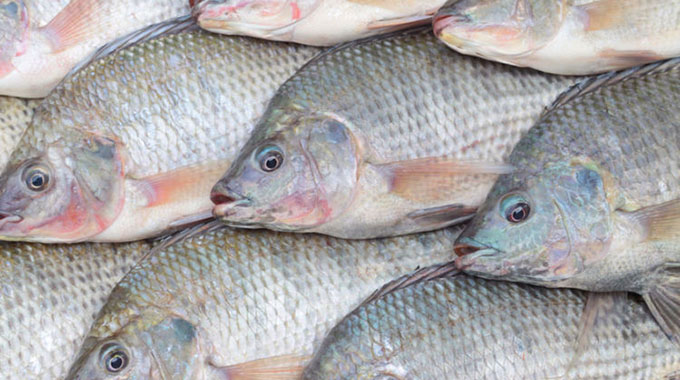
Monalisa Chikwengo
EFFORTS to boost fish production and improve food and nutrition security continue to gather traction with Government moving to restock all communal dams in the Midlands province with fingerlings under the Presidential Community Fisheries Scheme.
As part of this initiative, a total of 15 dams in Gokwe were stocked with 100 000 fingerlings of tilapia (breams) last month, demonstrating Government’s commitment to the fisheries recovery plan.
Government has set a target of introducing five million fingerlings in communal dams around the province by the end of the year.
Fish farming is the fastest growing food producing sector and can be done more efficiently and cost effectively.
Midlands provincial livestock officer with Agritex, Mr Zivanai Matore said Government’s move was expected to have a positive impact on the livelihoods of the communities living around the dams.
“We stocked a total of 15 communal dams – three in Gokwe South and the remaining 12 in Gokwe North. Government aims to enhance the availability of fish for both consumption and sale by stocking these dams and this move could potentially contribute to the growth of the economy and improve the living standards of the neighbouring communities,” he said.
Zimbabwe has an annual requirement of 30 000 tonnes of fish, while current production figures stand at 14 000 tonnes.
Through the dam stocking initiative, it is expected that production will jump to 40 000 tonnes by 2025.
“The scheme also involved the establishment of dam management communities. These are composed of local people tasked with guarding dams against poaching and managing the dams. By involving local communities in the management of the dams, the Government hopes to create a sense of ownership and responsibility among the people and increase their participation in the restoration of fish stocks,” said Mr Matore.
Breams are the most farmed fish species at 90 percent, followed by trout at seven percent and catfish at three percent.
Separately, Government is also expediting the establishment of village fish ponds within existing nutrition gardens in the country’s 35 000 villages.
The success of the programme will be measured through the number of fish ponds stocked, number of fingerlings stocked, growth rates, fish sold and consumed at the end of each production cycle.
According to the final round Crop, Livestock and Fisheries Assessment Report (CLAFA-2) the number of village nutrition gardens has reached 7 091 covering an area of 6 277, 80 hectares.



 Online Reporter