Online Reporter
Sikhumbuzo Moyo-Senior Zimpapers Writer
THE shortage of indigenous language textbooks for primary school learners is being addressed by the Government, with the Department of Curriculum Development and Technical Services in the Ministry of Primary and Secondary Education set to develop learning modules during the first quarter of the year.
The move follows an outcry from education stakeholders after surveys of major bookshops in Bulawayo revealed severe shortages of indigenous language textbooks, particularly in IsiNdebele, Tjikalanga, ChiTonga, ChiNambya, Tshivenda and other officially recognised languages.
The availability of indigenous language learning materials is critical to the effective implementation of the Heritage-Based Curriculum (HBC), which places strong emphasis on mother-tongue instruction, cultural heritage and indigenous knowledge systems.
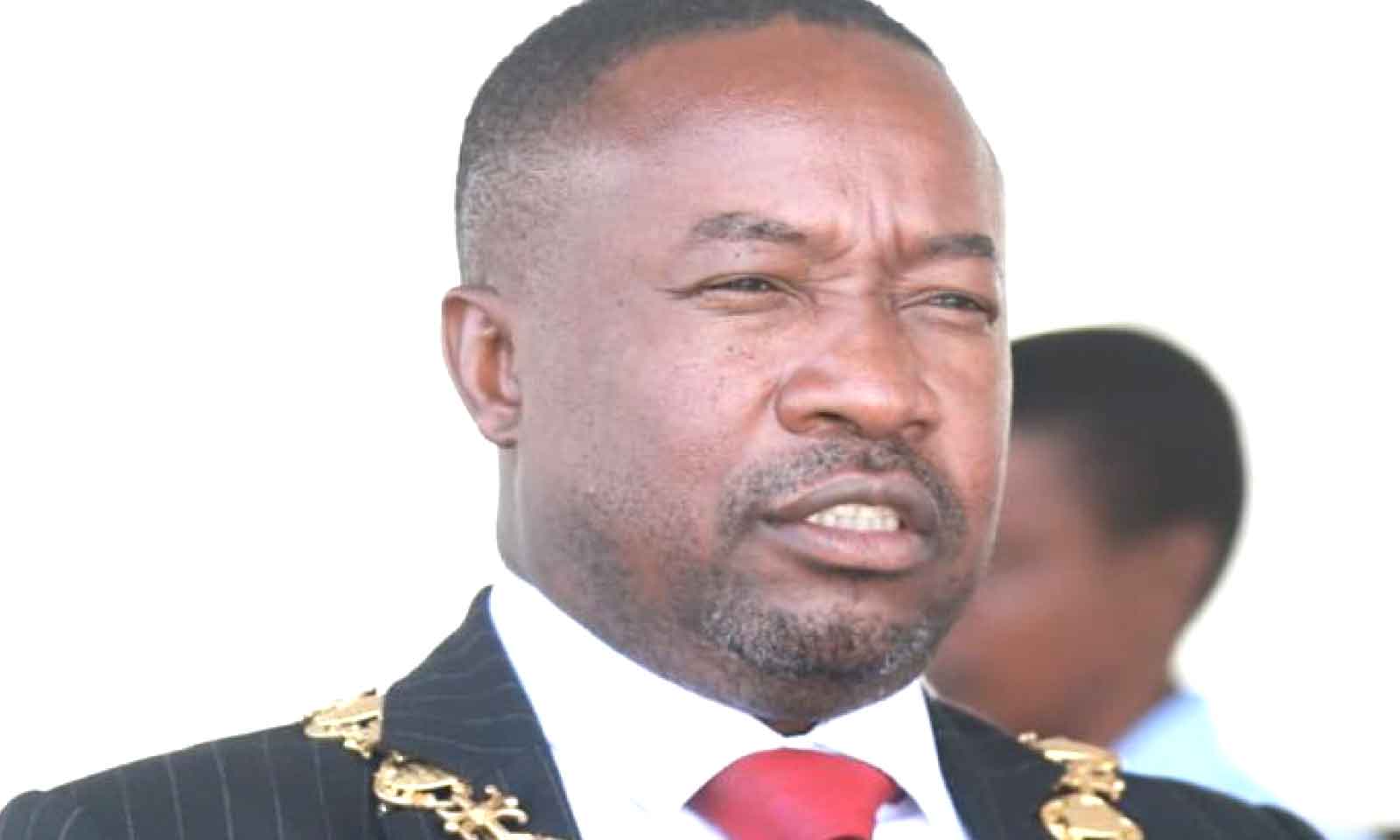
Primary and Secondary Education Minister Torerayi Moyo acknowledged the shortages, saying while some ChiShona and IsiNdebele textbooks — especially for Grade Seven — were beginning to reach bookshops, gaps remained for other languages.
“We do have some ChiShona and IsiNdebele textbooks and publishers are already working on other local indigenous languages. Our Curriculum Development and Technical Services department will also develop some modules during this first quarter,” said Minister Moyo.
He said in the interim, Competency-Based Curriculum textbooks would remain relevant for certain topics, as teachers continue to follow approved syllabuses while the new materials are being finalised.
The Ministry of Primary and Secondary Education introduced the Heritage-Based Curriculum Framework 2024–2030 to integrate Zimbabwe’s cultural and historical heritage into learning, while shifting education from rote memorisation to skills development.
The curriculum focuses on leadership, problem-solving, innovation, business and financial literacy, entrepreneurship, patriotism and Ubuntu, with learners expected to sit for HBC-aligned examinations at Grade Seven, Form Four and Form Six, beginning in September this year with Grade Seven.
President Mnangagwa has repeatedly emphasised that indigenous languages must be harnessed as strategic national resources to drive social transformation, human capital development and wealth creation.
Zimbabwe Teachers Association (Zimta) chief executive officer Dr Sifiso Ndlovu said the shortage of indigenous language textbooks has direct implications for classroom delivery and learner outcomes. He said the unavailability of these books posed a major teaching and learning challenge with real consequences for both learners and teachers.
Zimbabwe recognises 16 official languages under the 2013 Constitution — Chichewa, ChiBarwe, English, Tjikalanga, Tshwa, ChiNambya, ChiNdau, IsiNdebele, Xitsonga, isiXhosa, Sign Language, SeSotho, ChiTonga, Setswana, Tshivenda and ChiShona.
Speaking at the National Languages Conference in Victoria Falls in 2022, President Mnangagwa underscored the importance of indigenous languages in strengthening social cohesion, fighting corruption and promoting unity, peace and non-violence.
He said broader use of indigenous languages — including sign language — would encourage inclusive participation in nation-building and socio-economic development from ward level upwards.
The President also noted that revitalising indigenous languages is critical for preserving culture, customs and history, and pledged continued Government support for policies and programmes that promote linguistic diversity and heritage preservation.