daniel chigunwe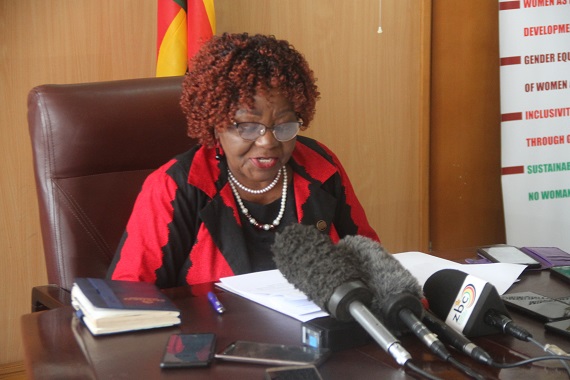
Business Reporter
PRICES of cement in Zimbabwe have gone up by nearly 100 percent over the past two months due to a combination of factors, mainly subdued local production and growing demand, a snap survey by The Herald has revealed.
The price of cement is now around US$20 per 50kg bag, up from US$9 two months ago.
This has had a negative impact on the construction sector, as property developers are now paying significantly more for cement, which is a key input.
The sharp increase in cement prices has been exacerbated by the expiry of import licences issued earlier, which has widened the supply gap.
Efforts to get official comments from manufacturers, including Zimbabwe’s largest producer, PPC Zimbabwe, were unsuccessful yesterday.
Industry and Commerce Minister Dr Sithembiso Nyoni said the shortage of cement was due to ongoing retooling by some of the country’s major manufacturers.
“We are looking into the issue; some of our manufacturers are retooling and revamping their machinery, and as they work on this, we are trying to find solutions to the shortage of cement.
“Very soon we expect to see the situation in the market improving because we have had some meetings with some of them,” said Dr Nyoni.
Government has been issuing import licences to cement producers to allow them to bridge the gap between local production and demand.
However, many of the import licences have since expired, leading to a decrease in imports and a further tightening of supply.
To address the shortage, Dr Nyoni said Government had moved in swiftly and started issuing new import licences, while manufacturers sort out their maintenance issues to restore normal production and bring down prices.
In terms of the law, dealers caught importing cement without licences risk being fined.
Such fines tend to contribute to the rising cost of cement.
The ongoing construction boom in Zimbabwe, across various sectors, has propelled the strong demand for cement.
The construction industry is experiencing a purple patch driven by public investment in infrastructure projects, private sector investment in residential and commercial projects, and the increasing demand for housing and other infrastructure in urban areas.
New residential and commercial properties are being built while old ones are being spruced up.
In addition to the development of commercial and residential properties, Government is also funding several major infrastructural projects such as roads, schools, health and public administration facilities, and dams.
“Despite rising prices, demand remains strong,” said Mr Ebenezer Rato, who runs a small hardware store in the high-density suburb of Budiriro in Harare.
“Getting supplies is a nightmare, and I foresee prices continuing to rise if the situation doesn’t improve.”
Mr Rato said dealers were buying cement through third parties because big firms were preferring to sell to big clients.
He said small cement dealers were buying in groups because their orders were too small to be individually processed by cement makers.
By combining their orders, they can get their orders fulfilled more quickly.
“We buy at around US$17 per bag and then sell at US$20,” said Mr Rato.
But some dealers are charging as much as US$22 per bag, depending on their location and demand.
A cement trader in Harare’s Central Business District said they were paying kickbacks to secure orders, which was making the commodity even more expensive.
“That is the only way you can stay in business,” said a trader who identified himself as Manwa.
Government has not banned cement imports, but they fall under restricted imports.
Importers require import licences, and importing cement without a licence carries a fine of US$2 000, which is Level 12 on the Zimbabwe Revenue Authority scale of fines.



 Online Reporter