happiness Chikwanha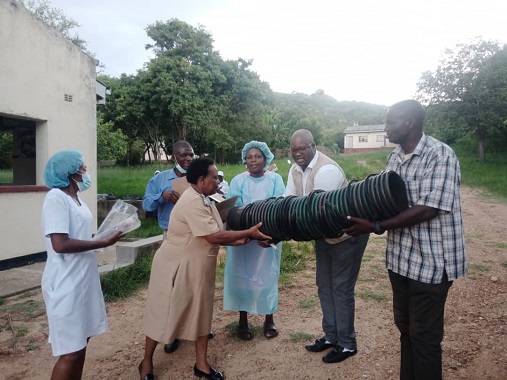
Phyllis Kachere in Marange, Manicaland
As Zimbabwe battles a severe cholera outbreak that has placed over half a million people in urgent need of assistance, there are serious concerns that an upcoming annual Christmas gathering of the Johane Marange Church in Marange and bizarre practices among members may aid and abet the spread of the disease that has already claimed scores of lives of both believers and non-believers in the area.
Members, whose faith forbids them from seeking modern medical treatment have started arriving at the shrine for the annual weekly pilgrimage that starts on Thursday.
The shrine is situated in an area suffering a critical water shortage owing to boreholes that have dried up forcing residents to use Save River for their daily needs, further exacerbating the situation.
ZRCS secretary general Mr Elias Hwenga said the outbreak has raised concerns about the public health system’s capacity to cope with the surge in cholera cases and underscored the critical need for a coordinated and rapid response.
“For the past few months, the Zimbabwe Red Cross Society has been implementing cholera awareness campaigns with support from International Federation of Red Cross and Red Crescent Societies, (IFRC) in collaboration with the Ministry of Health and Child Care in Beitbridge and Gwanda districts in Matabeleland South Province, Mutare Rural, Mutare Urban and Chimanimani Districts in Manicaland province.
“The cholera outbreak has led to a widespread public health emergency, necessitating immediate intervention to prevent further transmission and mitigate the impact on affected communities,” said Mr Hwenga.
Mrs Cecilia Garira who is a ZRCS volunteer in Chipiro Village in Marange yesterday said there are serious concerns that the coming gathering of thousands of the Johane Marange Apostolic Church members may worsen and abet the spread of cholera to other areas in the country.
“We have experienced a severe cholera outbreak in this community which has resulted in deaths of both believers and non-believers. Because of their faith, Johane Marange Apostolic Church members have not been seeking medical attention resulting in the deaths of mostly women and children,” said Mrs Garira.
She said the situation has been worsened by some dangerous beliefs and practices amongst the members on the treatment of cholera which are believed to be contributing to a resurgence of cholera in the area.
“Some members believe that cholera can be treated by plugging flour dough in the anus to stop the diarrhea popularly called kunama. They also believe a concoction of garlic, chilli and vinegar can also cure cholera.
“The most scary method they have been using is getting cholera patients to sit in water in the Save River or in a dish even when they are vomiting or passing stool.
“They believe that the water will be reabsorbed into the body through the skin’s pores and rehydrate the victims. That is how most water bodies like the Save River have been contaminated,” she said.
Mrs Garira said with the constant community engagement she and other Red Cross volunteers and village health workers have carried out, some members with cholera are now comfortable to seek help at the newly-opened oral rehydration point that has been set up at her homestead.
“The oral rehydration point is the first port of call for cholera patients where we rehydrate them before we can refer them to a cholera treatment centre should the need arise.
“The ZRCS is supplying the sugar, salt, disinfectants and other stuff and the points are manned by trained volunteers. These are helpful as cholera is a disease where you work against time,” said Mrs Garira.
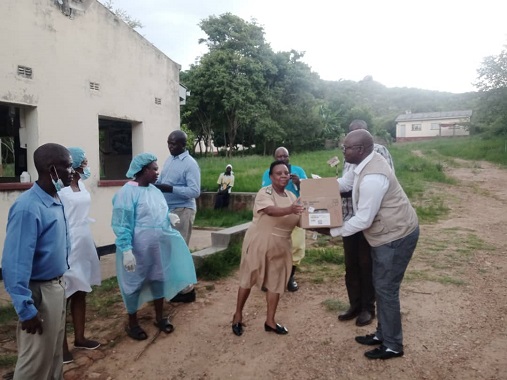
As part of the cholera response, the ZRCS has set up four oral rehydration points which are the first port of call for victims at Nyangani Village in Ward 16 Chipiro Village, Chakaza Business Centre in Marange, and Farikai Village in Chiadzwa.
Mr Hwenga said as the outbreak is spreading, the ZRCS, in collaboration with the IFRC, has launched an emergency appeal to address the multi-faceted challenges posed by the outbreak.
“The outbreak presents challenges such as the rapid spread of cholera, increased morbidity and mortality rates and strained healthcare facilities.
“The risk of transmission to neighbouring countries adds a complex dimension to the crisis, necessitating not only immediate containment measures but also cross-border coordination,” said Mr Hwenga.
He said the emergency appeal focuses on critical areas, including the prevention and control of the cholera spread, improved case management, and the enhancement of water and sanitation facilities.
“The appeal also underscores the importance of community engagement, accountability, and inclusivity in providing a holistic response to the diverse needs of affected communities.
“In addition to immediate response efforts, the emergency appeal prioritises capacity building and organisational development for the Zimbabwe Red Cross Society.
“The focus on upgrading infrastructure, equipment, and technical skills of branches and volunteers aligns with a broader strategy to enhance preparedness for future challenges.”
Mr Hwenga said community members with cholera symptoms will easily access treatment for rehydration with more severe cases quickly being referred to the nearest cholera treatment centre.
“The setting up of oral rehydration points helps increase chances of quick recovery and reduces cholera deaths and are run by community volunteers and health workers.



 Online Reporter