admin
admin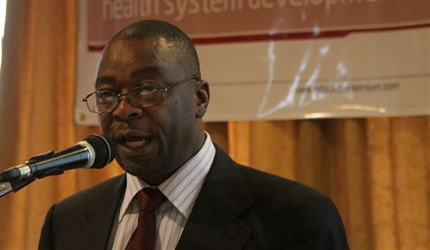
increase they effected on consultation fees at the beginning of this month.
Deputy Minister of Health and Child Welfare Dr Douglas Mombeshora gave the directive to the Private Hospitals Association of Zimbabwe on Tuesday during a meeting held jointly with the Association of Healthcare Funders of Zimbabwe.
He said the hospitals’ authorities disregarded an agreed resolution to stop increasing tariffs before a Joint Advisory Council meeting scheduled for November 14.
“We had a meeting on September 26 where we agreed that no one should increase tariffs until the JAC meets on November 14,” said Dr Mom-beshora.
“This council involves all service providers including doctors, hospitals and medical aid societies and is aimed at discussing the tariffs.”
Dr Mombeshora said the council would invite a consultant economist to advise on any increases based on changes in the past three years.
He said if service providers intend to increase tariffs, they should engage medical aid societies and come up with a tariff that does not prejudice patie-nts.
Dr Mombeshora said if the two associations failed to agree, Government would impose a tariff.
Consultation fees at private hospitals had risen to US$50 against US$10 charged in public health institutions.
Private doctors charge a minimum of US$20 for consultation, but the fee depends on the location of the surgery.
PHAZ vice chairperson Dr Margaret Maulana refused to shed light on why they had increased tariffs before the JAC meeting.
She was quoted in other sections of the media saying PHAZ made the decision in August.
Government is empowered to approve fees charged by private health institutions through the Medical Services Act of 1998 and Statutory Instrument SI35 of 2004.
The Government is also empowered to act by the Medical Services Regulations of 2000, through statutory instruments SI330 of 2000 and SI208 of 2001.
Government has the power to register and de-register health institutions that do not follow instructions.


 Online Reporter