Lovemore Kadzura
Post Reporter
GOVERNMENT has approved the reinstatement of traditional leaderships that were abolished during colonialism – in a development that will see several headmanships being revived. Many headmen positions were abolished during colonialism when white settlers displaced indigenous people from their ancestral land to create farms and estates.
However, following the Land Reform Programme, many people returned to their original land, prompting the need to revive the headmen posts.
Recently, Government reinstated the Ngungunyana and Saurombe chieftainships, which were also abolished during colonialism.
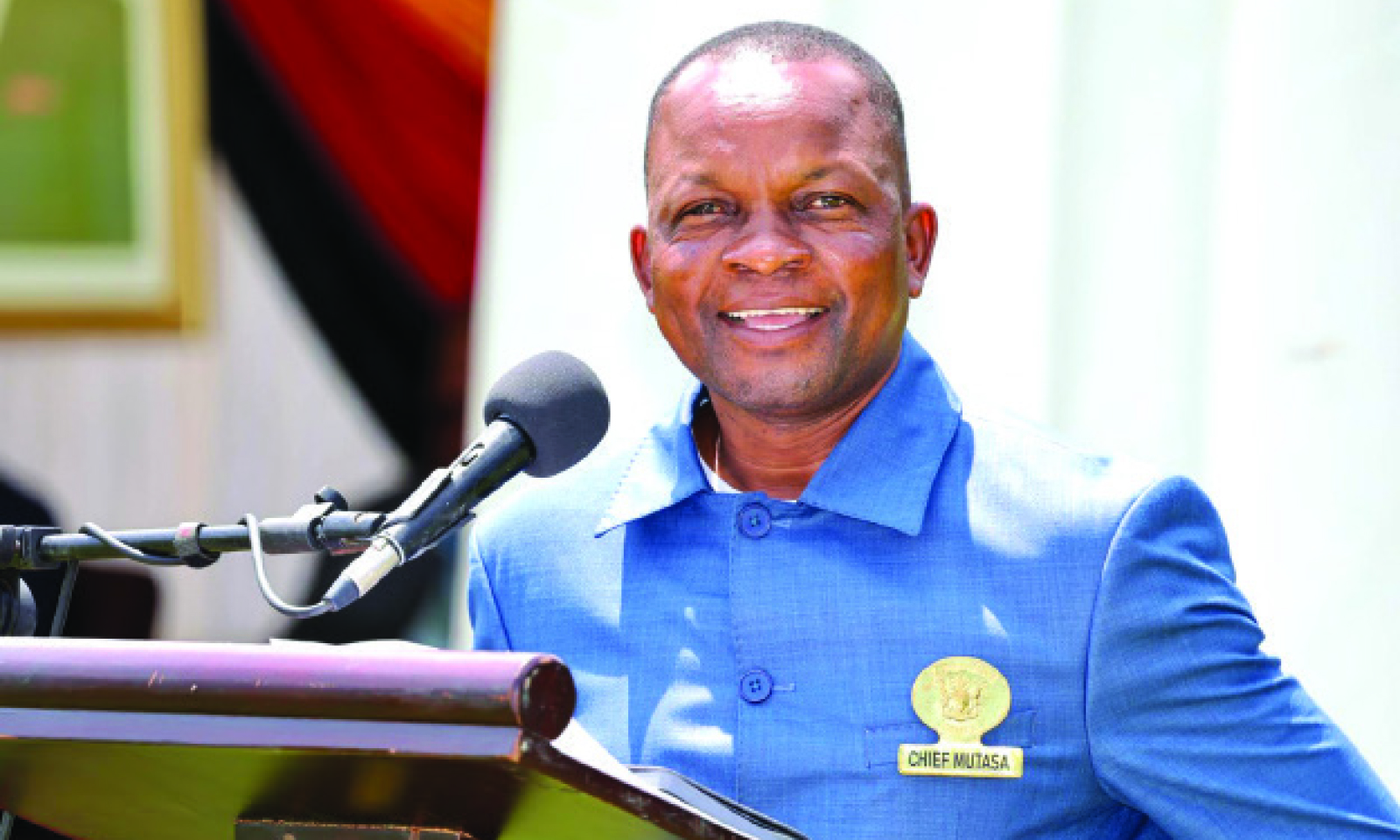
Senator Chief Mutasa is leading the process in his area, where two headmen – Sanyatwe and Sakupwanya were revived.
Two further applications are currently under review by the Ministry of Local Government and Public Works for consideration.
Acting director Local Government Services in Manicaland, Mr John Misi said Government values the role of traditional leaders, hence the process to restore all abolished posts.
He further said this is provided for in the national Constitution and the Traditional Leaders Act.
“In Manicaland, Government has resuscitated two headmanships – Sanyatwe (Nyanga) and Sakupwanya (Mutasa) districts, and all are under Chief Mutasa. We also have two applications awaiting resuscitations – Headmen Muredzwa and Makomva – again under Chief Mutasa.
“The chief in question highlighted the need to revive headmanships abolished by the colonial regime. The District Development Coordinator assisted the chief by drafting a memo providing background information and relevant attachments.
“When the request reaches Local Government and Public Works Minister, it undergoes review. If convincing, the Minister approves the resuscitation, which then goes through rigorous legal review.
“The Second Republic has shown greater respect for traditional leaders by reviving all traditional leadership positions, including chiefs and headmen, abolished during colonialism,” said Mr Misi.
Chief Mutasa said areas lacking lower-tier traditional leadership, such as headmen and village heads, are hindered in their development due to inadequate representation.
In his area, the abolished headmen were primarily in plantation areas.
“We are delighted that traditional leadership is being restored in areas where it was previously abolished, creating a void. Important traditional rites and ceremonies were not being conducted due to lack of leadership.
Government has addressed our concerns and reinstated displaced traditional leadership. We are aligned with national authorities, recognising the vital role traditional leadership plays in economic and social development.
“Headmen reside within their jurisdictions, making them intimately aware of their people and area’s developmental needs. They serve as the entry point for Government, development partners, and the private sector.
“Some of the resuscitated headmen are in areas with large companies operating, yet there is little development to show. Their role will be to collaborate with these companies to implement relevant corporate social responsibilities, ultimately uplifting the lives of local people,” said Chief Mutasa, who is also a Senator.