malvernmugadzikwa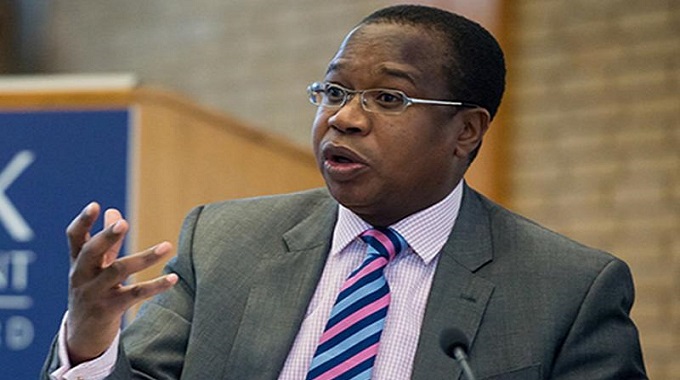
Debra Matabvu
THE Government has started drawing down the country’s agriculture insurance premiums from the Africa Risk Capacity (ARC) — a specialised agency of the African Union — as part of the multi-faceted approach adopted by the authorities to mitigate the impact of the El Niño-induced drought.
The country will receive US$32 million from ARC starting next month after taking out insurance for the 2023/2024 agricultural season.
Eighteen districts are set to benefit from the insurance, with funds set to be channelled towards buying grain and cash transfers.
Further, the Government has set aside funds to procure grain and supplement reserves at the Grain Marketing Board.
Border procedures have been simplified to facilitate the smooth transportation of maize imports. President Mnangagwa recently declared a State of Disaster and appealed for US$2 billion to both mitigate the effects of drought and build long-term resilience.
Finance, Economic Development and Investment Promotion Minister Professor Mthuli Ncube told The Sunday Mail that the Government is receiving positive feedback from the international community.
“It is unfortunate that we have been impacted seriously by the drought this year. However, we have a strategy as Government, which is multi-faceted,” Prof Ncube said.
“The first strategy is to open up the borders so that those with free funds can import, and millers have been doing that. The second strategy after understanding how deep the drought is, His Excellency declared a State of Disaster, which helped us to quantify how much we needed and to also trigger our partners to come forward and support Zimbabwe. We are getting positive news from the assistance we are getting from our partners.”
On the payout from ARC, Prof Ncube said: “Last year, we did not know that we were going to have a drought, but we went ahead and bought national insurance for US$3 million in premiums to Africa Risk Capacity, but, overall, we are going to get US$32 million in the next few weeks. We are going to work with ARC to identify which districts have been most affected. We have 18 districts that we have identified, and we are going to support our citizens in those districts.”
The country, he said, has more wheat than maize, which makes it possible to use it as a substitute for the usual maize meal.
Cabinet recently approved the 2024 response plan to food insecurity, which was prepared by Ministers July Moyo (Labour, Public Service and Social Welfare) and Dr Anxious Masuka (Lands, Agriculture, Fisheries, Water and Rural Development).
The plan details key interventions that include targeted programmes for vulnerable communities. It also covers enhanced social protection, direct cash transfers to affected households and school fees for vulnerable children, among other interventions that require a cumulative US$2 billion. The programmes will cover areas spanning agriculture, food assistance, education, water, sanitation and hygiene, and protection of wildlife.
Beneficiaries of food packs will receive 7,5 kilogrammes of grain monthly, which will be increased to 8,5kg in September.



 Online Reporter