admin
admin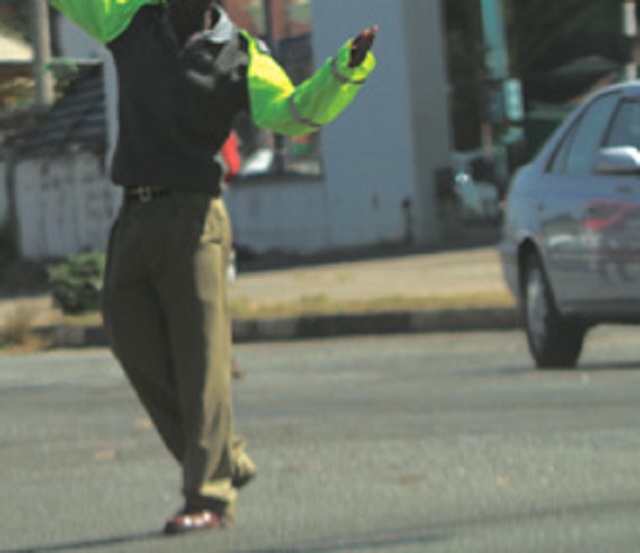
Zibusiso Moyo
ACCORDING to studies road traffic injuries are among the leading causes of death and life-long disability globally.
The World Health Organisation (WHO) reports that about 1,24 million people die annually on the world’s roads, with 20-50 million sustaining non-fatal injuries.
From the report it is clear that road crashes are becoming a global health crisis and, as such, require comprehensive measures to prevent them.
The situation is particularly worrying in developing countries such as Zimbabwe that have other burning public health priorities such as malaria, HIV and Aids.
The country was recently plunged into deep mourning when 47 people died on the spot and several others seriously injured when two buses — Smart Express and Bolt Cutter were involved in a head on collision near the Rusape toll gate along the Harare-Mutare highway.
Bus accidents are frequent in Zimbabwe where speeding often means more money for bus crews that compete for customers and try to make as many trips as possible per day.
Ironically, the road where the accident happened was recently resurfaced as part of Government’s attempt at rehabilitating collapsing road infrastructure.
According to Traffic Safety Council in Zimbabwe (TSCZ), the principal agent in promoting traffic safety in the country, human error, not bad roads, are the main cause for road traffic accidents in the country.
Although night driving, bad roads, stray animals, decrepit vehicles and poor vehicle maintenance have been cited as some of the major causes of the numerous casualties on the country’s roads, the TSCZ, however, says at least 90 percent of road traffic accidents are a result of human error.
With the festive season upon us, should we all brace ourselves for the frightening new deaths statistics as people travel to their different destinations for the holidays?
Meanwhile, studies have shown that intense road safety awareness campaigns or programmes employed by TSCZ to sensitise people on road safety and bring about behaviour change alone may not be sufficient to reduce the number of accidents on Zimbabwean roads, where more than 1 700 people die in road accidents every year and 90 percent of those mishaps are attributed to human error.
This is despite the fact that there is a litany of laws in our statutes that can be used to prevent road accidents. It is also high time the Government acts swiftly to put into law some of the proposed recommendations.
A case in point, Government in 2015 introduced Statutory Instrument 129 of 2015 which demands that no person on any road, shall drive a passenger in a public service vehicle unless such a vehicle is fitted with a speed limit device.
However, three years down the line, nothing has been done to effect the SI 129 despite passengers perishing on the roads every day.
Last year, the Government proposed to ban cross-border and inter-city bus companies from operating between 9pm and 5am and imposition of stiff penalties for overloading, speeding and defective vehicles as part of measures to curb road carnage.
The move which was praised by many road safety advocates, as a welcome development considering that many people continue to lose their lives and some sustaining varying degrees of injuries in road accidents has not yet been implemented by the Government.
The Civil Protection Unit (CPU) also recommended the need for all public passenger transporters to maintain registers of all individuals on board before they depart to any destination.
In the past, there had been clarion calls for Government to cancel operating licences for bus operators involved in fatal accidents and to impose stiffer penalties on errant drivers to act as a deterrent to would be traffic offenders.
In 2015 during his address at the Africa Safety Day National Commemorations in Gweru, President Emmerson Mnangagwa, who was also then the Minister of Justice, Legal and Parliamentary Affairs advocated for the need for stiffer penalties including long custodial sentences for errant road users saying the ministry was in the process of reviewing the Road Traffic Act.
“Deterrent penalties must be meted out to errant road users. If stocktheft courts a minimum sentence of nine years imprisonment, why should a driver killer be fined a mere $100 and get away with murder? Road carnage destroys lives, limbs and property and it is an enemy of economic growth hence the need to punish errant drivers,” he said.
There is no doubt that failure by the government to quickly implement the above proposed safety measures or recommendations as a way to minimise road carnage can undoubtedly result in increased loss of lives in the country’s roads.
An effective policing system is needed to stop such deadly traffic accidents from occurring and the government has to move beyond rhetoric and quickly impellent the above proposed safety measures or recommendations so as to stem the road carnage.
Transport minister Joel Biggie Matiza recently ordered police to enforce speed limit devices on all public transport vehicles to avoid road carnage through speeding.
Speaking during a road safety stakeholder meeting held in Harare, Matiza recently said the rebranded Zimbabwe Republic Police (ZRP) should ensure that no public transport vehicle should be on the road without speed limit devices.
While other stakeholders suggested the need to impose compulsory third-party insurance to all motorists as a solution minimise road carnage, Finance Minister Mthuli Ncube in his 2019 budget statement presented on November 22: moved Road traffic offenses from levels 1 to 3 of the Standard Scale of Fines with a maximum monetary value of $30 to levels 8 to 10, which attract a maximum fine of US$700 and imprisonment for a period not exceeding 12 months, with effect from January next year.
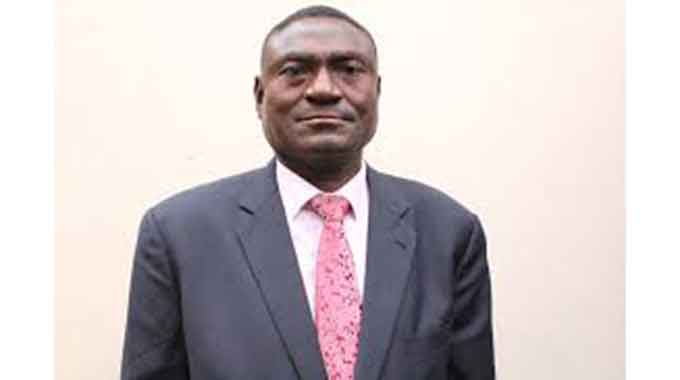
TSCZ director, Obi Chinyere bemoaned lack of discipline on the roads especially by those driving public service vehicles.
“We have a number of measures which have proposed, but as TSCZ we continue urging drivers to be disciplined, especially those driving public service vehicles. During this festive season police should be alert and arrest reckless drivers specially those speeding and who drink and drive.
“Since its also rainy season, drivers should check their vehicles before heading on the road. They should also drive during the day and avoid driving at night because there will be poor visibility,” said Mr Chinyere.


 Online Reporter