Ivan Zhakata
Herald Correspondent
GOVERNMENT is stepping up efforts to strengthen specialist skills development and improve healthcare delivery through increased investment in nursing education, professional development and collaboration with private healthcare institutions.
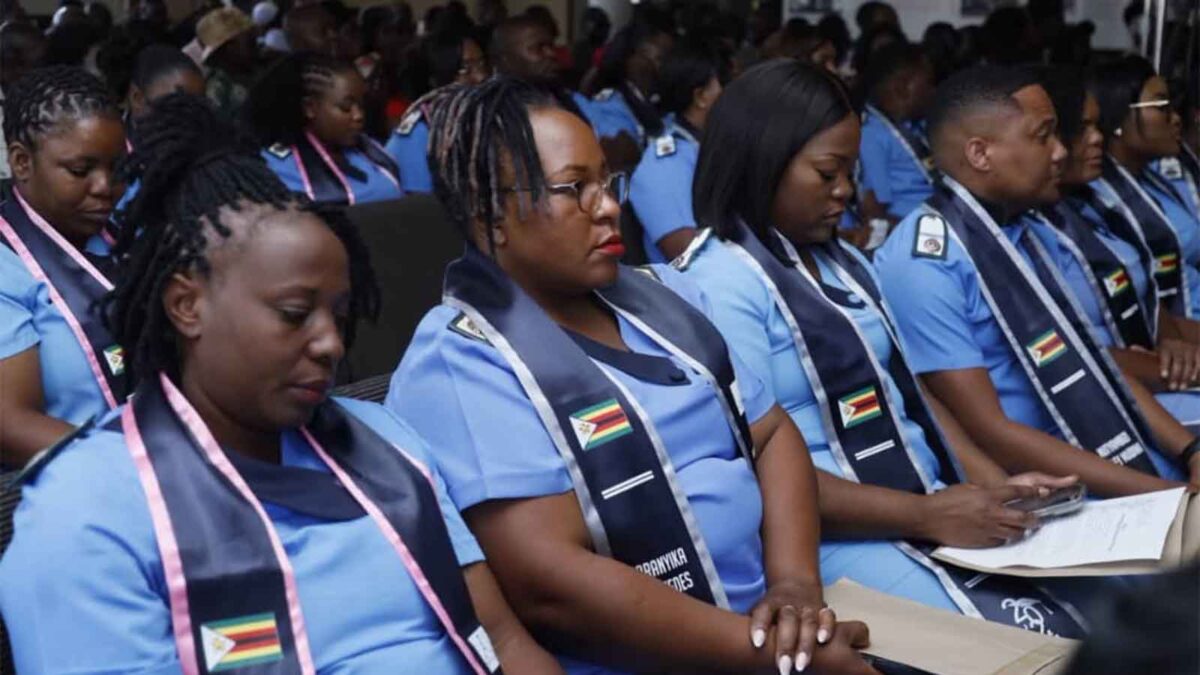
Health and Child Care Minister Dr Douglas Mombeshora said this at the Avenues Clinic Awards Presentation and Graduation Ceremony in Harare yesterday, where he commended the institution for training 347 specialist nurses since the establishment of its intensive care and operating theatre nursing programmes.
The clinic began training intensive care nurses in 1978 before introducing operating theatre nursing in 1979. It has since expanded its programmes to include oncology and palliative care nursing.
Minister Mombeshora said the country needs a competent, ethical, adaptable and patient-centred nursing workforce capable of responding to changing healthcare needs.
“Graduation is an important milestone. It represents the culmination of hard work, discipline and commitment, but it also marks the beginning of a greater responsibility to serve our country with competence, compassion and integrity,” he said.
Minister Mombeshora described nurses and midwives as the backbone of healthcare delivery and said their contribution covered health promotion, disease prevention, treatment, rehabilitation and palliative care.
The Minister said Government will prioritise specialist training in critical care, oncology, emergency medicine and neonatal care while strengthening training institutions and embracing innovation.
He said public, private and mission healthcare institutions needed to pool their expertise, infrastructure and investment capacity to expand the country’s nursing training opportunities.
In a related development, Dr Mombeshora said Cabinet had resolved that all health institutions, including private healthcare providers, should submit statistics on their operations, service delivery activities and performance to the Ministry of Health and Child Care.
“This is an important step towards ensuring that our national results indicators reflect the full contribution of every player in this sector. It will also strengthen planning, coordination, accountability and evidence-based decision-making,” he said.
He said the reporting framework was still being developed and Government was open to engaging healthcare providers to address practical concerns regarding the proposed reporting template.
“Our intention is to develop a practical and effective system that captures the necessary information and imposes no unnecessary barriers on institutions.
“The underlying principle is simple. We are one country and one health system, and we must report as one,” he said.
The Avenues Clinic managing director Mrs Sibusisiwe Ndhlovu said the institution remained committed to expanding specialist nursing education and investing in healthcare training.
She said the introduction of oncology and palliative care nursing was informed by the growing demand for specialised skills to manage cancer patients.
Mrs Ndhlovu said the clinic was investing about US$200 000 annually towards its nursing training programmes, over and above tuition fees paid by students.
She said the institution was also pursuing plans to introduce registered general nursing training at diploma level, with discussions already underway with the Ministry of Health and Child Care.
“Our hope is that one of these days we will also be able to offer registered nurse training. We have started our discussions around this area,” she said.
Mrs Ndhlovu said the clinic’s programmes attracted nurses from different healthcare institutions across the country, including public and mission hospitals, demonstrating the importance of partnerships in building specialist capacity.
She said the institution would continue investing in infrastructure refurbishment and clinical equipment to improve the training environment and patient care.
Mrs Ndhlovu urged the graduating nurses to uphold professionalism, compassion and integrity in their service to patients.
“Your knowledge will make you capable, your experience will make you better, but it is your compassion that will make you exceptional.
“Never lose that human touch. You will meet patients when they are most vulnerable, and they will be looking up to you to make their journey towards recovery better,” she said.