Online Reporter
Patrick Chitumba [email protected]
THE Government’s Agriculture Food Systems and Rural Transformation Strategy (AFSRTS) is making noticeable strides in reshaping rural livelihoods across Midlands Province, as farmers increasingly embrace climate-smart agriculture and community-driven production systems. The programme is steadily transforming how agriculture is practised, with a clear focus on improving resilience, productivity and incomes in rural communities.
At the heart of this transformation are Village Business Units (VBUs) and ward-based planning models, which are ensuring that farming activities are aligned with local climatic conditions. This targeted approach is helping farmers maximise yields, strengthen food security and generate more reliable household incomes by focusing on crops and livestock best suited to their environments.
The programme, which is being rolled out through a co-ordinated, multi-sectoral approach, is equipping farmers with modern farming techniques while ensuring that production systems are tailored to specific agro-ecological zones. By combining technical support with practical implementation, the strategy is bridging the gap between policy and results on the ground.
In an interview, Agricultural and Rural Development Advisory Services provincial director for Midlands, Ms Busiso Olga Mavankeni, said the strategy is already helping to build resilient farming systems capable of withstanding climate shocks.
“Rural livelihoods are changing across Midlands Province as the Agriculture, Food Systems and Rural Transformation Strategy rolls out climate-smart farming and village business units. The programme uses ward-based planning to match crops and livestock to local conditions,” she said.
Under this model, farmers in low rainfall areas such as Gokwe North and Gokwe South are focusing on drought-resistant crops, including sorghum, pearl millet, finger millet, groundnuts and Bambara nuts. Meanwhile, districts like Shurugwi and Chirumhanzu are prioritising maize and horticulture, taking advantage of their more favourable rainfall patterns.
Extension officers remain central to the implementation of the programme at provincial, district and ward levels. They are responsible for mobilising farmers, providing technical support and encouraging the adoption of Pfumvudza/Intwasa conservation farming techniques such as minimum tillage, mulching and precise planting.
Government support schemes, including the Presidential Input Programme, are further strengthening these efforts by providing seed and fertiliser to vulnerable households, ensuring that more farmers are able to participate meaningfully in production.
The introduction of the flagship Village Business Units has also proved to be a major boost to rural economies. These one-hectare fenced gardens, equipped with boreholes, solar-powered irrigation systems and fish ponds, are offering farmers both stability and opportunity.
“These units act as production and marketing hubs, giving farmers reliable water, shared infrastructure and collective bargaining power,” said Ms Mavankeni.
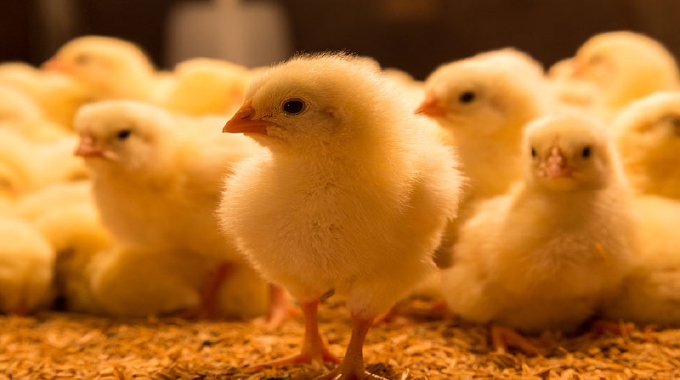
Livestock production is similarly benefitting from targeted programmes such as the Presidential poultry and fodder schemes. Farmers in districts like Kwekwe and Gweru rural are receiving training in areas such as breeding, disease control and feed production, resulting in improved outputs and better management practices.
The impact of these interventions is now visible at community level, with improved harvests, rising incomes and better food security being reported. Horticulture and poultry are emerging as key income-generating activities, providing households with new and sustainable revenue streams.
Women and youths are among the main beneficiaries of the programme, as the expansion of VBUs and agricultural value chains is opening up new economic opportunities and encouraging broader participation in agriculture.
“Incomes rise as farmers sell horticulture produce and poultry. Women and youth gain new opportunities through VBUs. Overall, the strategy is building resilient farming systems that withstand drought while lifting nutrition and household income,” said Ms Mavankeni.
“The programme is largely driven through provincial, district and ward-level structures, with extension officers playing a central role in mobilising farmers, providing technical support, and ensuring adoption of climate-smart agriculture practices.”
Ms Mavankeni added that the AFSRTS, which is anchored on district and ward-based production planning, is also strengthening local institutions and promoting sustainable farming practices. This, she said, is positioning agriculture as a key driver in Zimbabwe’s broader push towards achieving Vision 2030.
She noted that the targeted planning approach ensures farmers produce crops and rear livestock suited to their specific environments, reducing risk while improving yields and overall productivity.
“One key programme under AFSRTS is the establishment of VBUs. These are clusters of farmers organised around a one-hectare garden with access to water, where production centres on viable enterprises such as horticulture and fish farming,” said Ms Mavankeni.
She explained that farmers benefit from reliable access to water, shared costs, common infrastructure and collective marketing opportunities, all of which enhance efficiency and profitability.
“Another important component is the Pfumvudza/Intwasa, a climate-smart programme, which has been widely promoted and adopted across the province. Farmers are trained to use minimum tillage, mulch, and precise planting techniques. This has improved productivity even in drought-prone areas,” said Ms Mavankeni.