Online Reporter
Wallace Ruzvidzo
Herald Reporter
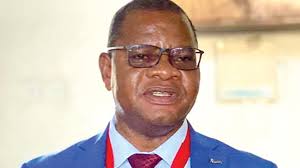
Government has adopted measures to strengthen its digital payment ecosystem and facilitate the formalisation of the informal sector, as announced by Information, Publicity and Broadcasting Services Minister Dr Jenfan Muswere in yesterday’s post-Cabinet briefing.
The measures include establishing a digital system to register all Micro, Small, and Medium Enterprises (MSMEs) to create a national database, as well as reviewing the payment system limits across all payment streams with the aim of increasing transactional limits to accommodate MSME activities.
Dr Muswere stated that Cabinet approved these measures to address informalisation and payment systems, which were presented following a study visit to India conducted by the Ministry of Finance, Economic Development and Investment Promotion, along with other Government ministries, departments, and agencies, including the Reserve Bank of Zimbabwe.
“Based on insights drawn from the Indian payment system and broader financial inclusion strategies, Cabinet adopted policy measures to strengthen the Government’s digital payment ecosystem and facilitate the formalisation of the informal sector. This includes establishing a digital system to register all MSMEs in order to create a National Database and reviewing the current payment system limits regime across all payment streams to increase transactional limits and accommodate MSME activities,” he said.
Dr Muswere added that the measures also involve incentivising the informal sector to participate in the formal banking system, reducing reliance on cash transactions through simplified Know Your Customer norms, zero deposit basic savings accounts, and no-cost digital wallets tailored to micro-enterprises.
Streamlined business registration, simplified tax filing, and digitised licensing processes for MSMEs will be implemented to lower entry barriers and administrative burdens for informal businesses seeking to formalise.
“Other measures include creating incentives for registered businesses to voluntarily enter the formal economy, rolling out national campaigns to promote digital financial literacy, enhancing the benefits of formalisation, increasing trust in the payment ecosystem, and strengthening collaboration with private sector players to invest in low-cost payment infrastructure, especially in rural and underserved areas,” Dr Muswere noted.
Meanwhile, he reported that the Rural Electrification Fund (REF) has made significant progress in its mandate to electrify rural areas, thereby closing the developmental gap between these areas and urban centres.
From January 1 to June 30 this year, REF completed projects using three technologies: grid extension, off-grid solar electrification, and biogas technology.
The main beneficiaries of the programme include 3,118 primary schools, 1,557 secondary schools, 1,046 clinics, 471 Government extension office centres, 304 chief’s homesteads, 1,311 business centres, 873 small-scale farms, and 1,302 villages.
“REF is therefore on course to achieve its contribution to the attainment of Vision 2030 under the Second Republic’s all-inclusive development mantra,” concluded Dr Muswere.