Online Reporter
Lovemore Kadzura-Mutare Bureau
THE Government has encouraged its employees to regularly partake in wellness, sporting and recreational activities to improve mental well-being and physical fitness, which in turn improves efficiency when serving members of the public.
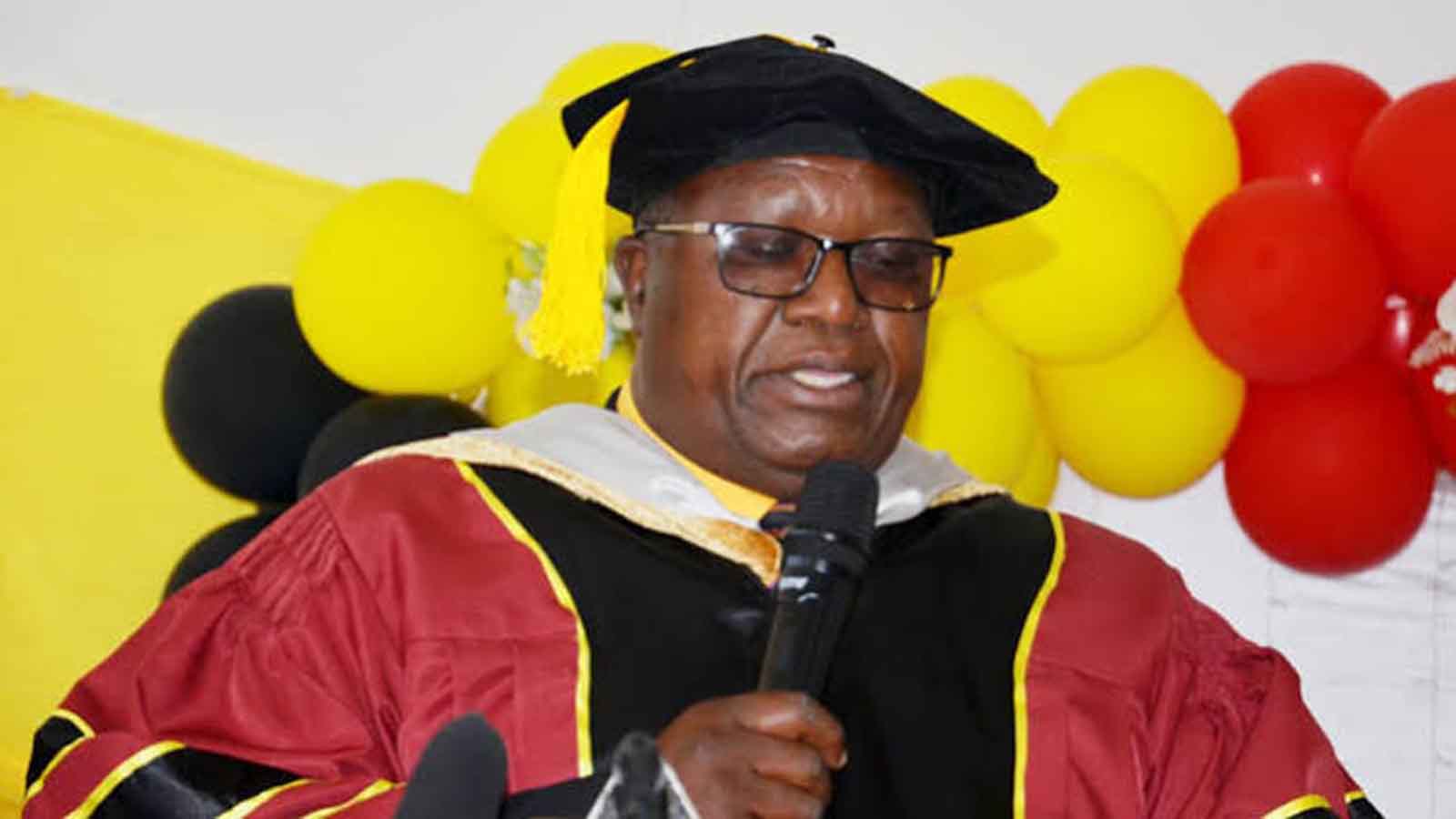
Speaking during the Manicaland Provincial Fitness and Wellness tournament held in Nyanga, the Minister of State for Manicaland Provincial Affairs and Devolution, Advocate Misheck Mugadza, said wellness and sporting programmes also help the workforce to remain fit and fend off non-communicable diseases such as diabetes, hypertension and others that are on the rise.
The wellness programme was attended by employees from all government departments, some from development partners and the general public.
Several ball games such as football, netball, tug of war and others were played by employees drawn from all seven districts in the province.
“As government employees, we carry the responsibility of delivering quality services to our communities. Such a responsibility requires not only professional competence but also physical fitness, mental wellness and emotional resilience. A healthy public servant is more productive, more innovative and better equipped to serve the people of Zimbabwe,” Adv Mugadza said.
He said the world today is confronted by increasing cases of non-communicable diseases such as hypertension, diabetes, heart disease and stress-related illness.
“Many of these conditions are linked to inactive lifestyles, poor nutrition and insufficient physical activity. Fitness and wellness programmes, therefore, are no longer optional extras; they are a necessity for both individual well-being and institutional productivity,” Adv Mugadza said.
Government, he said, has consistently emphasised preventive health measures as a cost-effective and sustainable approach to improving the quality of life for our citizens.
“The national aspiration of attaining an upper-middle-income economy by 2030 cannot be realised without a healthy and productive workforce. Vision 2030 requires public servants who are energetic, motivated, disciplined and capable of delivering efficient services to the people,” said Adv Mugadza.
He said development and wellness opportunities must reach every public servant regardless of age, gender, disability, geographical location or institutional affiliation.
“Every civil servant, whether stationed in a remote rural area or in an urban office, deserves the opportunity to participate in activities that promote health and well-being.”