Online Reporter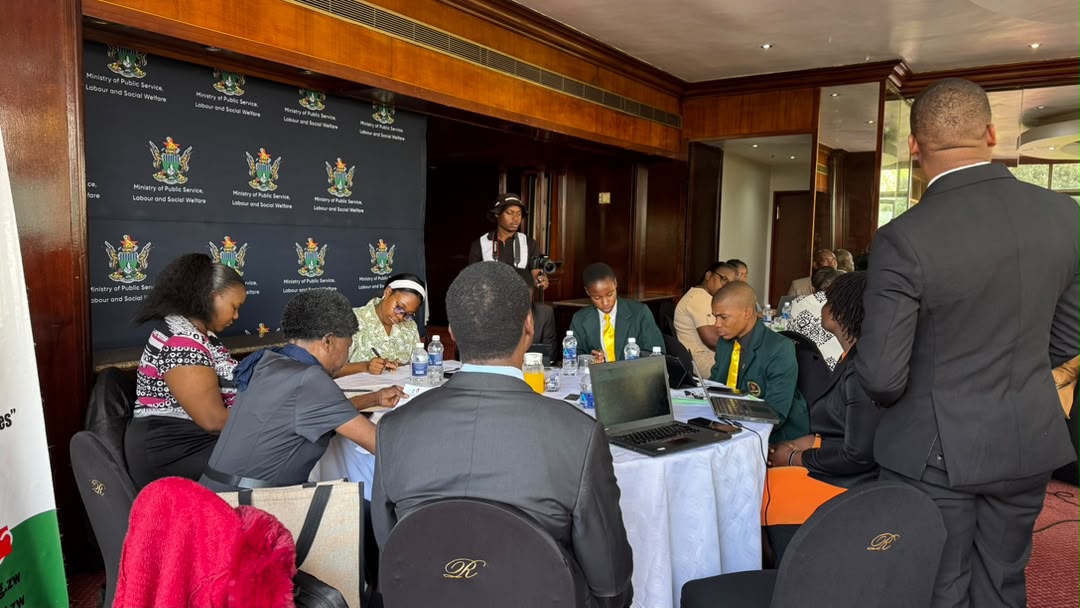
Takunda Gambiza
Herald Reporter
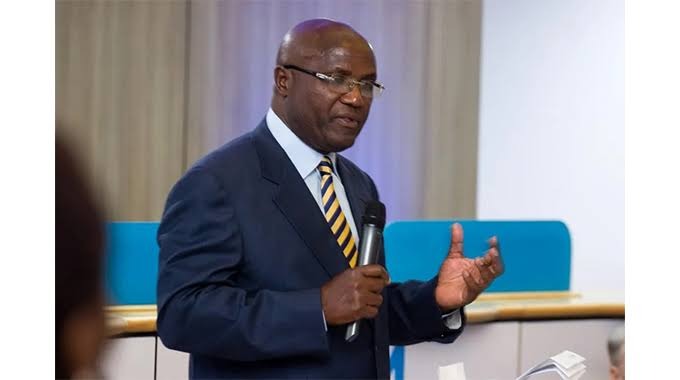
ZIMBABWE has adequate laws and policies to protect children, but poor implementation and weak coordination among key institutions continue to expose children to abuse, exploitation and other protection risks, Public Service, Labour and Social Welfare Permanent Secretary Mr Pfungwa Kunaka has said.
Mr Kunaka, who was represented by Child Protection Services Deputy Director Mr Singira Amos Paungano, said this in Harare on Tuesday during a child protection symposium held under the theme, “Strengthening Collaboration and Accountability for Child Protection Outcomes.”
The gathering brought together Government departments, the Zimbabwe Republic Police, civil society organisations, academia and child representatives to discuss emerging child protection challenges and ways of strengthening accountability.
Mr Kunaka said Zimbabwe’s challenge was no longer developing legislation, but ensuring existing policies were translated into tangible protection for children, particularly those exposed to poverty, abuse and exploitation.
“We do not have a crisis in terms of legislative and policy frameworks that speak to issues of children. But I think the challenge that we have is translating the policies and legislative frameworks that we have into concrete actions and concrete outcomes for our children,” he said.
Mr Kunaka said child protection required a multi-sectoral approach, with Government departments and other stakeholders moving away from working in silos and strengthening coordination under the National Action Plan for Children Phase Four, which runs from 2026 to 2030.
“We are doing a lot individually, but what we need is to connect the dots.
“Whatever we are doing in civil registry, whatever we are doing in social development, it’s never enough when we do not collaborate,” Mr Kunaka said.
Social Development Officer Ms Charity Baloyi said Harare was facing a number of emerging child protection threats, including online abuse, children living and working on the streets, unaccompanied migrant children, adolescent pregnancies, child marriages and drug and substance abuse.
“So as Harare Province, there are quite a number of emerging child protection issues that we are facing, owing to the coming in of technology, owing to the issues of climate shocks, issues of economic vulnerabilities,” she said.
Ms Baloyi said 19 cases of child online abuse had been recorded in Harare in 2026, while 171 children had been rounded up from the streets by the third quarter, including 150 males and 21 females.
“We have seen a surge in the number of children living and working on the streets,” she said.
She also said more than 511 children had been reported pregnant during the third quarter, with poverty, family breakdown, abuse and economic vulnerability contributing to the problem.
“Usually these experienced school interruption, school dropout, limited family support, economic vulnerabilities, increasing their exposure to unsafe coping mechanisms and exploitation,” Ms Baloyi said.
Justice for Children programme co-ordinator Ms Pamellah Musimwa said weak coordination, inadequate resources and gaps in monitoring and accountability were affecting child protection interventions.
“Government departments, police, courts, prosecution, prisons, schools, health services, civil society, faith groups and communities do not coordinate consistently,” she said.
She said children were also exposed to repeated interviews during justice processes, while shortages of safe spaces could leave survivors vulnerable to further harm.
“Private and dignity are not always protected. I have seen so many cases where children are circulated on social media,” Ms Musimwa said.
Representing the Zimbabwe Republic Police Victim Friendly Unit, Inspector Kanyemba said digital abuse was becoming a major threat, with children being targeted through social media, online games and artificial intelligence-generated material.
“Old child protection was about ‘stranger danger’. New child protection is about phones, drugs, mental health, and family stress,” he said.
He called for digital literacy in schools, stronger parenting programmes, one-stop child protection centres, more safe shelters and specialised training for police officers handling online abuse.