

 dyton mupawaenda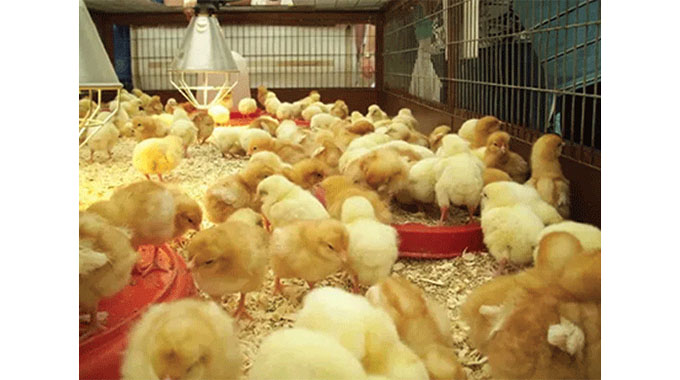
Ashton Mutyavaviri
IN its push to transform rural economies, the Second Republic is targeting to distribute 33 million indigenous chicks to 1, 8 million households across the country by 2027 under the Presidential Community Poultry Scheme (PCPS).
Livestock Production Department (LDP) director Dr Sitokozile Sibanda said of the targeted number of chicks to be distributed, 30 million were for rural households and three million for peri-urban farmers.
The Government has so far distributed 1 432 247 chicks. It has distributed 386 331 chicks in 2022, another 808 122 in 2023 and 255 794 so far this year.
Dr Sibanda said the birds were mostly indigenous and each farmer would be given 10 (unsexed).
Dr Sibanda said the aim was to promote poultry projects at village business units so that people can diversify and earn money in every possible way.
The poultry scheme is set to increase incomes and alleviate poverty through commercialising free range poultry production.
Added Dr Sibanda: “Government is rolling out awareness campaigns and educating beneficiaries and participating producers on the code of practice on free range poultry production and marketing standards that are acceptable both locally and globally.”
All the chicks to be distributed under the poultry scheme have been vaccinated already, while the intended beneficiaries have also undergone thorough training in poultry production, she explained.
The training covers many aspects of rearing, disease control, best management practices, among others, before a beneficiary gets the poultry.
The Presidential Poultry Scheme launched on August 25, 2022 in Masvingo has since spread to all of the country’s 10 provinces in line with the Government’s mantra of leaving no one and no place behind.
Government introduced the Presidential Poultry Scheme as one of the eight facets under the Rural Development 8, 0 model. It targets to boost nutrition and incomes for at least three million rural households drawn from across the country.
Meanwhile, Knowledge Transfer Africa (KTA) chief executive officer Dr Charles Dhewa said road-runner chicken supply in the mass markets was consistent, which is allowing many people to make a lot of money.
“Road-runner hens are selling at between US$6 and US$7, while the cocks are priced at US$10 each, which shows the importance of integrating free-range poultry production with other production streams,” said Dr Dhewa.
He further stressed that some were making money through selling road-runner eggs at US$3 per crate.
Rural households used to keep road runners for subsistence in terms of meat and eggs to supplement their diet occasionally and rarely for sale, he observed.
Zimbabwe’s poultry industry is expected to transform into big business and become a key cog of the national economy through the development of hatcheries, transport and logistics business, refrigeration services and much more.



 Online Reporter