admin
admin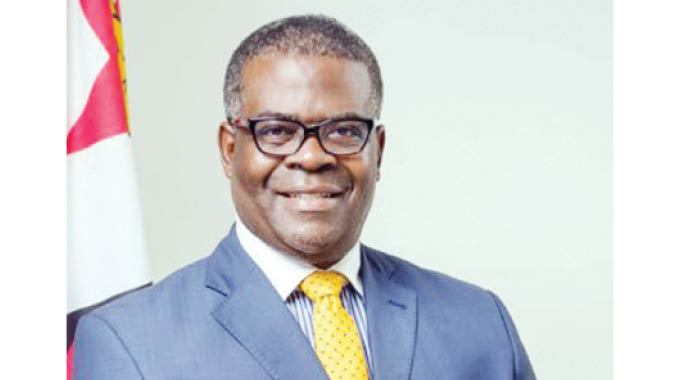
GOVERNMENT is considering a number of incentives to attract investment in renewable energy as part of efforts to ease power challenges that the country is facing, a Cabinet Minister has said.
Energy and Power Development Minister, Fortune Chasi, said that Government was focusing on promoting investment in renewable energy.
“This is an ongoing discussion. We are looking at other possibilities around taxation and other incentives that can help investors to find us attractive,” he said.
Also in an effort to develop the renewable energy sector in the country, the Government recently approved a renewable energy policy, which seeks to promote the manufacture of renewable energy equipment while also providing guidelines for renewable energy projects.
Minister Chasi said at the moment, prospective investors were facing various challenges to set up in Zimbabwe.
“Other barriers relate to the speed at which approvals are given for licensing, although the law, the Electricity Act, allows six months for the regulator (to process an application) we have taken it upon ourselves before we amend the law to say that we want a very constricted period.
“We don’t expect investors to be given the run around Government departments,” he said.
“We have emphasised to the regulator to say that they need to be expeditious.
“We are looking at possibilities, which should be really easy for people to apply online, the time for loads of papers is long gone.”
Zimbabwe is facing acute power shortages largely induced by a drought, which affected the country’s main hydro-electricity generator at the Kariba Dam, as well as frequent breakdowns at its old thermal power station in Hwange.
So acute have the shortages been that power utility, Zesa Holdings introduced power rationing going up to 18 hours a day.
The challenges posed by relying on hydro and thermal power stations in the country have brought to the fore the need to promote renewable energy, particularly solar.
Power shortages have grossly impacted on business and industry, which have lost millions in production stoppages while quality of life for households has also been affected. — New Ziana



 Online Reporter