Precious Manomano
Herald Reporter
The Government has called for the practical application of research findings from the International Livestock Research Institute (ILRI) project to strengthen preparations for the anticipated 2026/27 drought and reduce livestock losses.
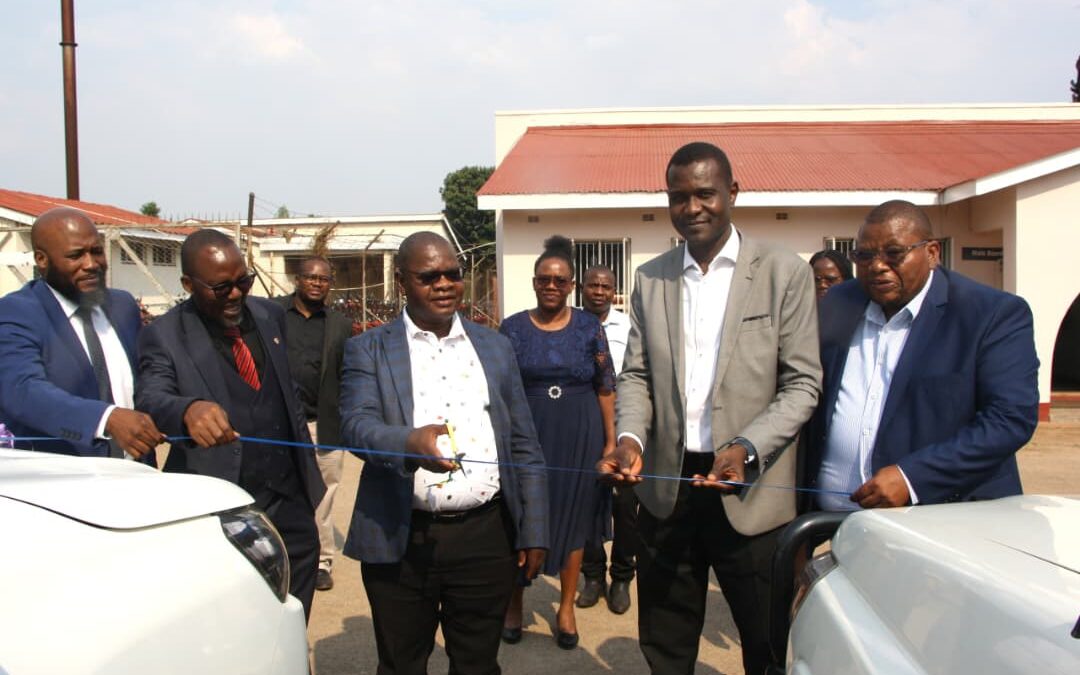
The call comes as ILRI donated three vehicles in Harare on Tuesday, two to the Ministry of Agriculture, Mechanisation and Water Resources Development and one to the University of Zimbabwe’s Faculty of Veterinary Science, to support efforts to strengthen livestock management and veterinary services.
In an interview on the sidelines of the handover ceremony, Agriculture, Mechanisation and Water Resources Development Permanent Secretary Professor Obert Jiri said the end of the project should not mean the end of collaboration, but should mark the beginning of sustained efforts to apply the knowledge and experience gained to real-life challenges facing farmers.
He said Zimbabwe should use lessons from previous droughts and research initiatives to develop practical solutions that protect livestock and strengthen the resilience of farming communities.
“We do not want to count the number of carcasses or floods, but we want to count the animals that we saved by utilising the results from this project,” said Professor Jiri.
He said the country was approaching another potentially difficult agricultural season, making it critical for Government, researchers and veterinary experts to work together to ensure that livestock farmers received timely and practical advice.
Professor Jiri said research findings on feed and fodder management, disease surveillance and other livestock protection measures would only be valuable if they were applied by farmers and those responsible for responding to drought.
He called on researchers and veterinary specialists to continue providing technical guidance even after the project had ended, particularly as climate change could contribute to changing pest and disease patterns.
“We need you more to be able to do the surveillance and also use your laboratories to ensure that we can stay on top of the situation as the drought bites,” he said.
Professor Jiri said researchers should identify areas likely to be hardest hit by drought and advise Government on appropriate interventions, adding that timely information was essential for effective planning and decision-making.
He said Zimbabwe had experienced repeated droughts over the years and should use the lessons learnt to develop lasting solutions rather than continue to suffer recurring livestock losses.
The permanent secretary also emphasised the importance of communicating research findings in formats that farmers could easily understand and apply, particularly those in rural communities who might not have access to scientific publications or online platforms.
He urged communication teams to work with researchers to translate technical findings into practical guidance tailored to the needs of farmers in different areas.
Radio, which has wider reach in many communities, should be among the channels used to disseminate information, alongside newspapers, television and digital platforms.
Professor Jiri also called for stronger collaboration between the University of Zimbabwe’s Faculty of Veterinary Science and farmers, urging lecturers and students to participate in practical outreach programmes that connect academic research with challenges encountered in the field.
He said students should be exposed to real livestock management situations and encouraged to translate their research into solutions that benefit the country.
The success of the project, he said, would ultimately be measured by whether its findings continued to inform livestock protection and helped farmers reduce losses in the coming seasons.
Professor Jiri said the vehicle donation provided an opportunity to strengthen cooperation among the Government, ILRI and the university, but stressed that the long-term value of the project depended on the continued use of its findings.
He urged stakeholders to sustain their engagement and develop further initiatives that build on the project’s achievements, ensuring that the knowledge generated contributes to a more resilient livestock sector.