Sundaymail Editor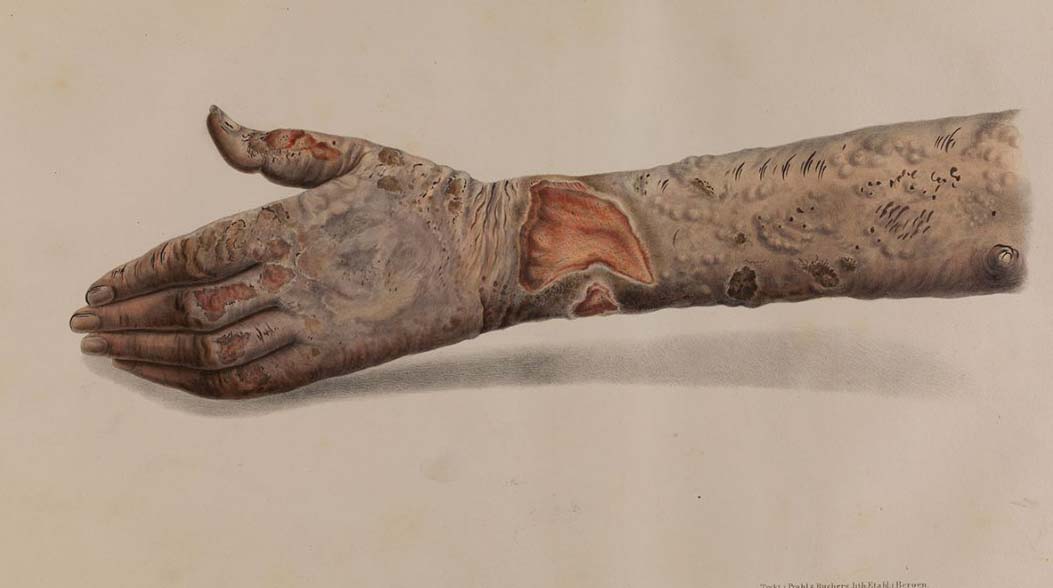
Emmanuel Kafe
The GOVERNMENT could soon activate and intensify leprosy diagnosis after the country recorded a sharp increase in new cases in 2021.
Zimbabwe today joins the world in commemorating World Leprosy Day, which is held annually on January 30.
The country eliminated leprosy as a public health problem 30 years ago, but it remains vulnerable due to overcrowding and poor nutrition, which favour transmission of the disease.
The country was declared to have reached the leprosy elimination stage of 1 in 10 000 by the World Health Organisation (WHO) in 1987.
But data from the Ministry of Health and Child Care, which was collected from 2012 to 2021, raises fear of a resurgence.
The statistics, which were collected by Government, United States Agency for International Development, Africa University and the John Snow Inc, indicate that Matabeleland North recorded the highest incidences of leprosy, with 12 new cases having been recorded between 2017 and 2021.
Masvingo comes second with five cases that were reported between 2014 and 2017.
Mashonaland Central recorded four cases between 2015 and 2020, while Mashonaland East recorded two new cases in 2021. Manicaland recorded two cases from 2012 to 2017.
In his presentation during the Zimbabwe National Tuberculosis and Leprosy Control Programme held virtually, the leprosy focal person in the Ministry of Health and Child Care, Dr Nicholas Siziba, said it was among the leading neglected tropical diseases in the country.
“As a nation, we are worried about this sudden increase in leprosy cases, even though the number or the rate is still below the elimination of leprosy target by WHO,” said Dr Siziba.
“You find that Matabeleland South has never recorded a case since 2012; Matabeleland North, on the other hand, recorded cases from 2016 to 2021, with dominant cases in Binga district.
“Active screening for leprosy in communities is very low, so we have a feeling that we still have leprosy in those hotspot districts. We have revised our leprosy control programmes and I am assured that we might get some more cases in the silent hotspot districts in different provinces.”
Leprosy, which is also known as the Hansen’s disease, is one of the oldest diseases known to mankind and is a chronic infection caused by slow-growing bacteria called Mycobacterium leprae. It can be spread through the respiratory tract or droplet infections.



 Online Reporter