Oliver Kazunga-Senior Reporter
GOVERNMENT is stepping up efforts to mobilise private capital for infrastructure development, with the Zimbabwe Investment and Development Agency receiving six new Public-Private Partnership proposals in the third quarter of 2026 to bring the year’s total to 31.
According to ZIDA’s Quarterly Performance Report for the period ended September 30, the new submissions span municipal services, renewable energy and manufacturing.
They include the rehabilitation of Bulawayo’s water infrastructure, integrated waste management projects for Bulawayo and Kwekwe, solar photovoltaic module manufacturing, liquid sodium battery production, agrivoltaic systems and industrial pipe manufacturing.
“The agency received six new PPP proposals during Q3, bringing the year-to-date total to 31, following 25 received during the first half of the year. The new proposals cover energy technology, municipal water and waste services, and manufacturing. The projects are at different stages of assessment, with feasibility studies and other preparatory processes expected to determine their viability, investment requirements and implementation models,” said ZIDA.
“Project values for the six proposals remained to be determined. Progress through feasibility and appraisal will be important for establishing their technical, commercial and financial requirements,” the agency added.
Among flagship projects already advancing, the US$99,3 million Chirundu Border Post modernisation project has secured Cabinet approval and moved to the fundraising stage to boost trade and regional integration.
Similarly, the US$67 million Masuwe bulk infrastructure project in Victoria Falls remains at the fundraising stage as authorities seek to unlock further investment in Matabeleland North Province.
Construction Industry Federation of Zimbabwe (CIFOZ) chief executive officer Mr Martin Chingaira welcomed the growing investor appetite, but stressed that timely execution remains critical.
“As CIFOZ, we welcome the growth in the PPP pipeline to 31 proposals this year. It shows investors are interested — but for our members, a proposal is not a project.
“What matters is how many of these proposals move from paper to construction site,” he said.
Beyond easing urban water and waste bottlenecks, the pipeline signals rising private-sector interest in local green energy manufacturing and dual-use agricultural solar systems.
Meanwhile, the Government is expanding alternative financing mechanisms to ease pressure on Treasury while sustaining construction momentum nationwide.
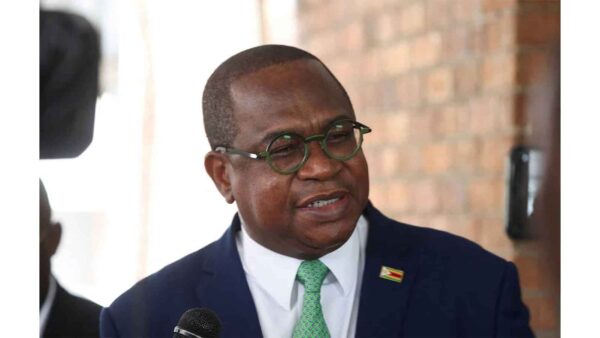
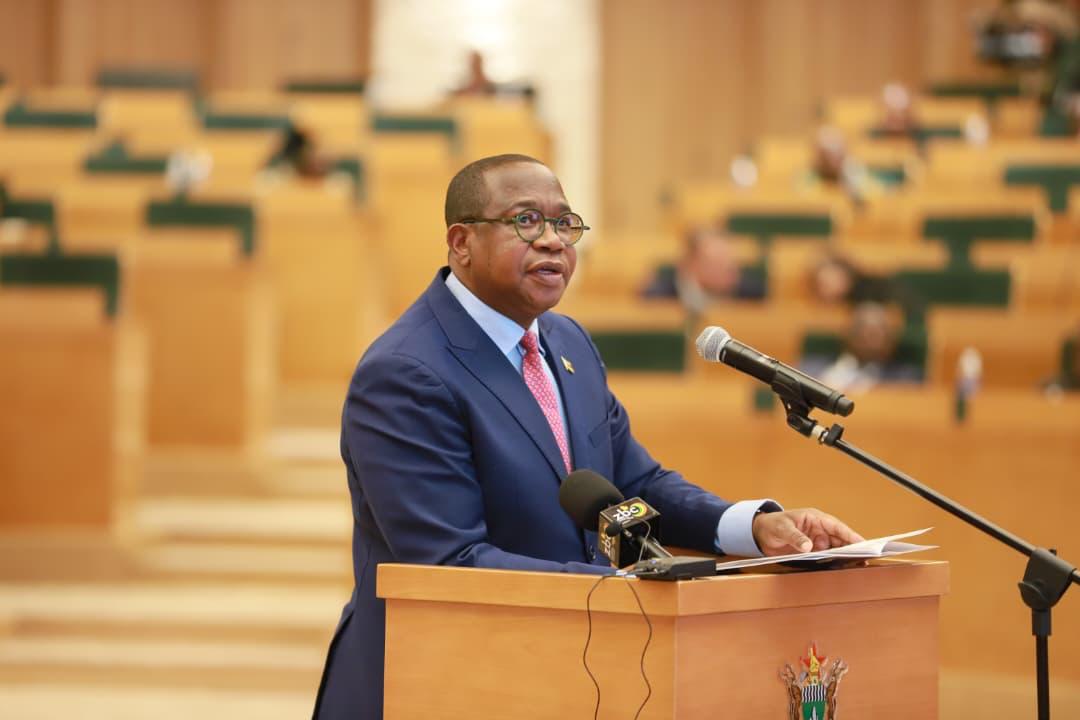
In the 2026 Mid-Term Budget Review, Finance Minister Professor Mthuli Ncube announced the establishment of an Infrastructure Development Fund to unlock US$400 million for critical road projects and regional trade corridors.
The new fund complements ZiG11,8 billion disbursed by Treasury in the first half of the year across transport, energy, irrigation, health, education, water and ICT projects.