Online Reporter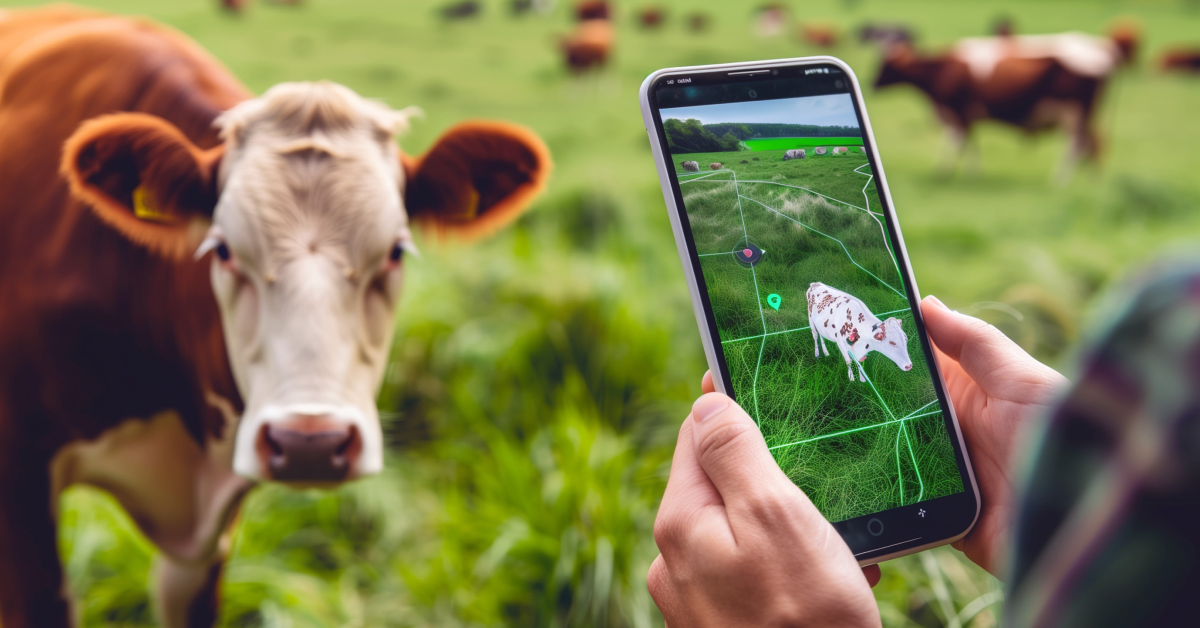
Patience Maturure-Agriculture Reporter
The introduction of the Smart Livestock Management System is set to transform Zimbabwe’s livestock sector, leveraging technology to improve disease control, market access and financial inclusion.
This innovative system utilises Global Positioning System tracking devices to tag cattle, enabling traceability and contributing to the growth and sustainability of the local livestock economy.
The Ministry of Lands, Agriculture, Fisheries, Water and Rural Development director of livestock research, Mr Andrew Chamisa, said the SLMS used technology to revolutionise livestock farming.
“The plan emphasises sustainable and climate-resilient practices by promoting improved livestock management, financial inclusion, and enhanced market linkages. By leveraging modern technology, the SLMS aims to tag livestock to allow traceability, thereby contributing to the growth and sustainability of the local livestock economy,” he said.
The SLMS plan unfolds in phases, starting with stakeholder engagement, capacity building, and training, then proceeding to cattle tagging and farmer registration, ensuring a structured and effective rollout.
Mr Chamisa said the livestock sector faced significant challenges, including ineffective disease control, limited insurance options, restricted access to financing, and barriers to niche markets, all largely due to a lack of traceability and unreliable identification systems, hindering farmers’ ability to meet international standards and capitalise on global demand.
“The system enhances disease control by tracking animal movements and health histories, preventing outbreaks and protecting herd health.
“It fosters stronger market linkages, enabling direct connections between farmers and buyers and reduces theft through electronic tagging and digital records.
“The system also provides access to niche markets by proving livestock origin and quality, boosts sector sustainability and exports by meeting international trade standards, and improves financial access by providing verifiable data for loans and insurance,” he said.
Farmers, including smallholder, commercial and cooperative groups like the Zimbabwe Farmers Union, account for over 80 percent of Zimbabwe’s livestock producers.
They benefit from the system by registering livestock for tagging and tracking, sharing knowledge, and receiving alerts on vaccination, breeding, and disease control, ultimately enhancing market access and improving livestock management practices.
The Department of Veterinary Services (DVS) utilises the system to enhance disease surveillance, reducing livestock losses and building trust among farmers through professional veterinary support.
This promotes compliance with national animal health standards, monitors health records and disease outbreaks, and aligns livestock data with national health strategies.
Government agencies and parastatals play key roles, with the Zimbabwe Investment and Development Agency (ZIDA) facilitating investments, ZimTrade enhancing export readiness, the Agricultural Marketing Authority (AMA) regulating markets, and the Department of Research and Specialist Services (DR&SS) and AGRITEX providing extension services and data collection.
“This collaboration enables over 50 000 livestock producers to access export markets, strengthens policy support for the system, and promotes efficient resource allocation across the livestock value chain.,” he said.