Online Reporter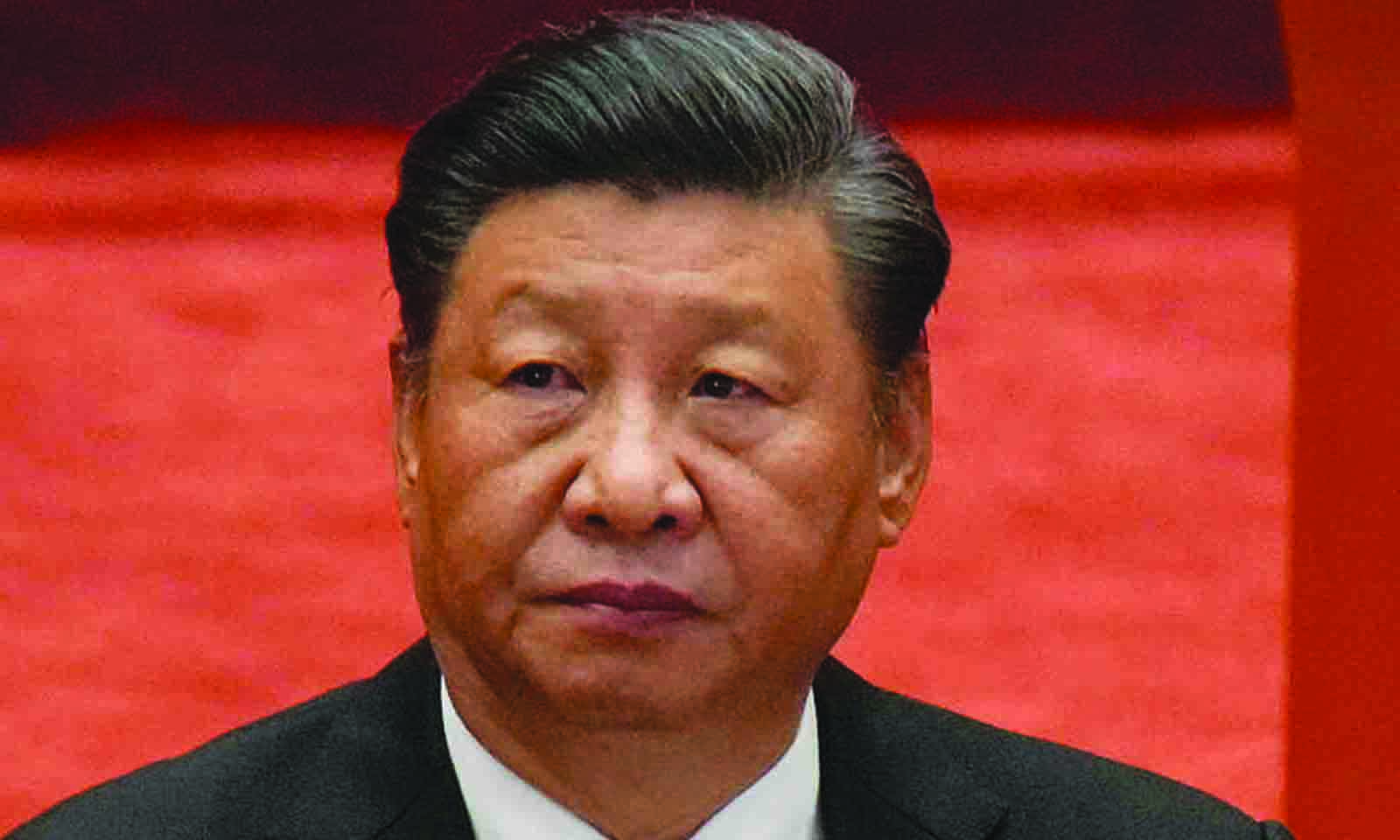
Group Political Editor Ranga Mataire in Beijing, China
African media professionals attending a 14-day seminar for mainstream media executives from Belt and Road countries in Beijing have urged enhanced China-Africa cooperation to support economic growth through combating corruption.
Their call followed a presentation on Thursday by Mr Chang Jin, a senior official in the International Cooperation Department of China’s National Radio and Television Administration, who credited China’s economic success to President Xi Jinping’s sweeping anti-corruption drive.
Mr Chang noted that corruption had become widespread in China before Xi took office, and said the campaign has won broad public support by restoring discipline across government.
“On the surface, the Government has pushed out a great number of corrupt officials,” said Mr Chang. He added that President Xi’s reforms are designed to endure beyond his tenure, but cautioned that “there is no one-size-fits-all solution; African nations must craft measures suited to their own contexts.”
Mr Chang said the Chinese government recently began limiting extravagant banquets, adding to action against corruption in accordance with the country’s laws.
Turning to the media sector, Mr Chang described the press as vital to national development. From the first Chinese newspaper in 1822 in Macau, the industry has expanded to more than 2 000 radio stations across the country.
Just like in most parts of the world, China’s print media is experiencing a decline in revenue due to the impact of new media.
Mr Chang said the impact of the new media has forced media leaders in China to create synergies to deliver a joint force in national messaging.
The Belt and Road Initiative (BRI or B&R), known in China as the One Belt One Road and sometimes referred to as the New Silk Road, is a global infrastructure development strategy adopted by the government of China in 2013 to invest in more than 150 countries and international organisations.
Fifty-three African countries are part of the Road and Belt Initiative. It is considered a centrepiece of President Xi’ foreign policy as it forms a central component of his “major-country diplomacy” strategy, which calls for China to assume a greater leadership role in global affairs in accordance with its rising power and status.