Online Reporter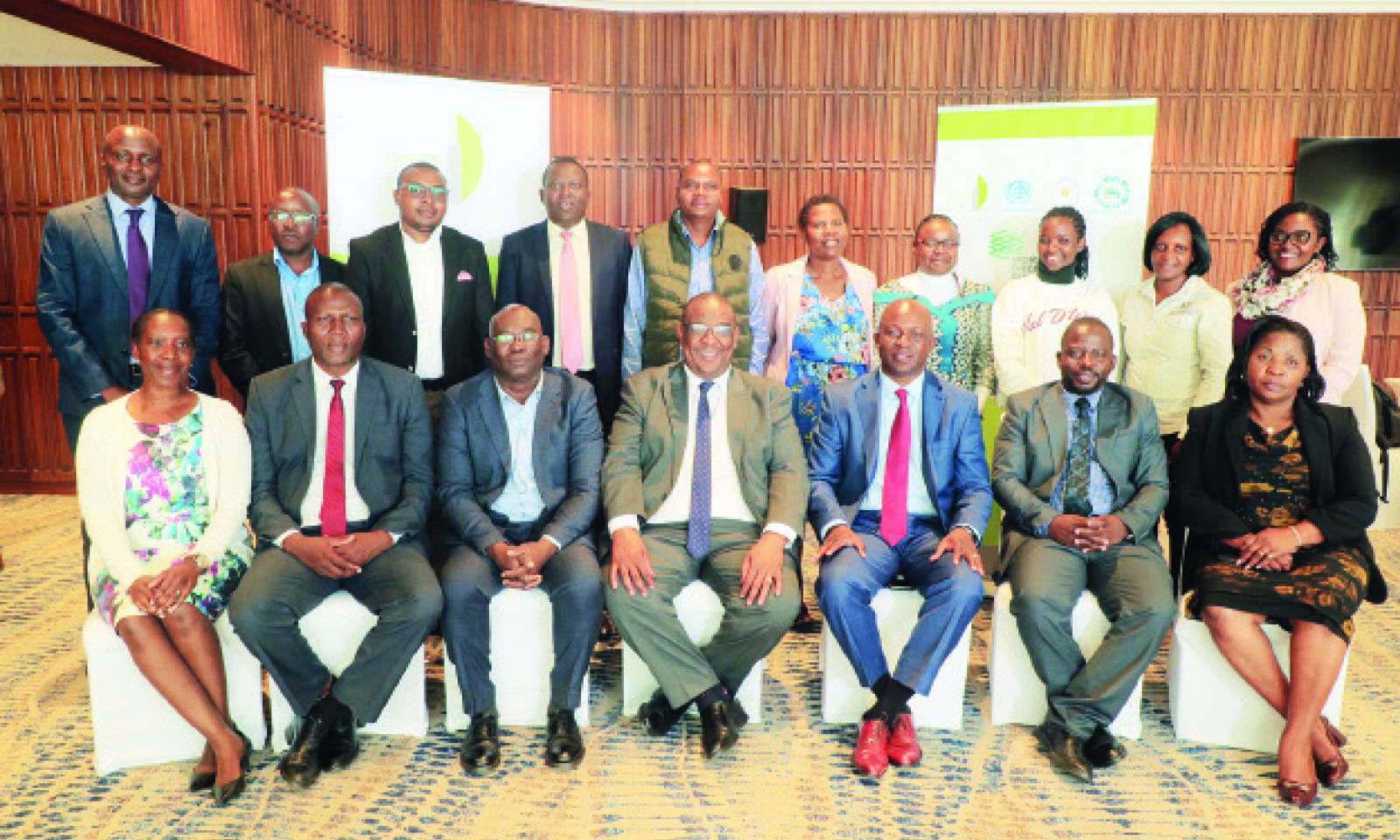
Prince Mushawevato
STAKEHOLDERS in construction have called for the transformation of the built environment in line with the country’s thrust to move towards creating a green economy.
This, they argue, can be achieved by developing green building rating and certification tools, which will help transform the built environment to preserve the habitat for future generations.
Green Building Council Zimbabwe (GBCZ), in collaboration with the United Nations Human Settlements Programme (UN-Habitat), is working on designing a rating tool appropriate for Zimbabwe.
It is envisaged this will help authorities move towards improved compliance — a crucial stage in successfully mitigating the impact of climate change.
In recent times, Zimbabwe has been experiencing severe effects of climate change, including devastating cyclones, most notably Cyclone Idai.
GBCZ’s partnership with UN-Habitat, which is also funded by the Swedish International Development Cooperation Agency (SIDA), also aims to increase access to clean energy for urban and peri-urban dwellers.
Recognising that the built environment contributes a significant 40 percent to global carbon emissions, prioritising legislative reforms is now considered key.
“A lot can be done in countries to make changes as we go green. For us, what we have put on the table for you is financial resources and our capacity to work with you as we help in the mission,” said a UN-Habitat Harare Sustainable Cities Initiative project team official.
“We want to hold hands with you as we walk this journey together with the Green Building Council of Zimbabwe and other partners, so that by the end of the day we start making an impact not just for the built environment, but also for other policies related to the environment and climate change.”
The official added, “For those in a position to change policies, I think this is a great opportunity for us to work together. Our investment in Zimbabwe is not the first time we have done this; we have done this in other parts of Africa, East and West, where progress has been achieved. But, for Southern Africa, Zimbabwe is the first country in which we are investing at this starting point to impact policies for the built environment.”
The UN-Habitat project team is optimistic that the investment will pay off.
“We want to move forward so that we begin to record Zimbabwe as a showcase for Southern Africa in having an impact with regard to the built environment.”
Stakeholders who recently attended a workshop for Parliamentarians on the built environment organised by the GBCZ concurred on the need to develop new policies.
“It takes a collective effort to achieve this noble dream. In your different spaces, we expect more and better before the issues come to the House because our role is to interpret those issues,” said Honourable Sam Matema, chairperson of the Environment, Climate and Wildlife portfolio committee.
South Africa and Rwanda have since developed certification tools for green building, which has helped improve the level of compliance.
“We could not have met at a more strategic time as we have conversations around realigning our buildings in line with the green economies that are also consistent with Sustainable Development Goal number 11, which speaks to sustainable cities,” he added.
Honourable Matema further noted the need for a holistic approach.
“We must not deal with green buildings in isolation; we need to get these conversations to intersect with other sectors of the economy because climate change is intersectional in terms of its impact, to the extent that we need to have an all-stakeholders conference.
“This will enable us to have serious conversations around these issues so that there are necessary interventions. As Parliament, there is a Climate Bill that will be coming to the House. We are going to input all the contributions that we got from the different actors,” he said.
Yvess Sangwa, chairperson of the Rwanda Green Building Council and Farizan Devazac, a green buildings expert, shared opinions on the issue.
“We decided to make green building part of our policy in Rwanda. There, we realised the need for finance and the need to set a benchmark and tools that determine what needs to be done and achieved,” revealed Ms Devazac.
GBCZ chairperson Dr Mike Juru said they will be holding more workshops for all key stakeholders, up to the grassroots level.
“Already, we have engaged parliamentarians through the Environment, Climate and Wildlife portfolio committee. The next step will be a session for the Senate’s Thematic Committee on Climate Change at a date to be announced,” said Dr Juru.
“The aim is to educate them on the profound impact of building practices on climate change and to advocate for the enactment of supportive laws. We want to raise awareness about the impact of buildings on the climate and advocate for new legislation that supports sustainable development practices.”
He stressed the urgency of this intervention, referencing UN-Habitat research that indicates 75 percent of buildings expected by 2050 are yet to be constructed.
“Having green building certification is crucial. As it stands, we do not have a definition of a green building, but through the laws, we can establish that and that will make a difference. There is also need for incentives that promote compliance with green buildings so that we match established models,” he said.
The GBCZ chairperson noted that the level of awareness in the country is very low.
The council’s long-term plans include training local authorities and integrating climate change adaptation into educational curricula at all levels. Ultimately, the goal is a nationwide shift in mindset towards sustainable building practices.
“Everyone has to come on board. This development marks the beginning of an important step in the built environment and in terms of climate mitigation in Zimbabwe,” added Clara Mapokotera, GBCZ head of secretariat.
GBCZ is pushing for a transition to a green economy within the property sector through developing and implementing innovative initiatives in waste-to-wealth services, resource recovery, urban renewable energy and energy efficiency in building practices.
Its advocacy, for example, is for policies that favour high-rise developments over land-intensive single-story buildings to conserve land and mitigate environmental damage such as deforestation and sand poaching.
This includes the use of alternative building materials like steel instead of bricks and timber that lead to land degradation and deforestation.