


 Sundaymail Editor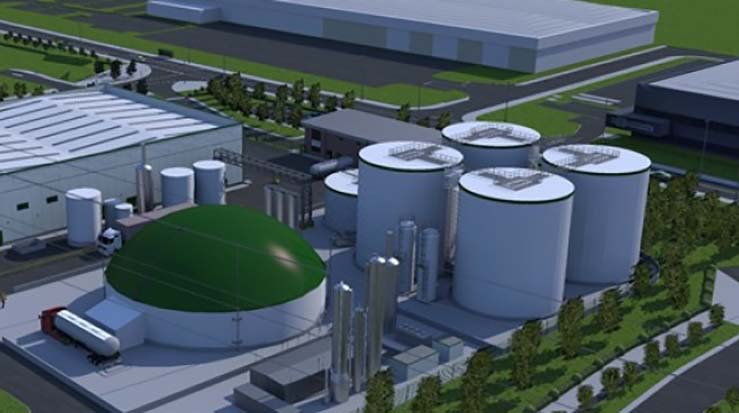
Tendai Chara
OVER the years, the Environmental Management Agency (EMA) has taken towns and municipalities to court for discharging raw sewage into the environment.
Chinhoyi Municipality, for example, was dragged to court for discharging raw sewage into Manyame River, threatening the health of people downstream.
At one time the local authority was reportedly discharging at least 18 megalitres of raw effluent – including raw sewage and chemical waste from Chinhoyi Provincial Hospital – into the river every day.
City of Harare and the Ruwa Local Board are some of the urban local authorities that were hauled before the courts on similar charges.
The two entities were charged with contravening Section 57 (1) of the EMA Act 20:27, which prohibits discharge or application of pollutants into an aquatic environment.
In some instances, contamination of water bodies has often contributed to outbreaks of waterborne diseases such as typhoid and cholera.
Spilling raw sewage and other chemicals into water bodies also threatens livestock and aquatic life.
It is against this background that engineers and environmental experts are pushing for the adoption of environmentally friendly solutions to sewer and wastewater treatment.
Experts insist that using bio-digester sewer treatment systems, as opposed to ponds, is the only way of addressing such challenges.
A bio-digester is a tank that digests organic material biologically.
Mr Wiltshire Mushara of Witronia Africa, one of the local companies that are actively involved in promoting bio-digesters, said it is high time Africa adopts this proven concept.
“The majority of developed countries have since moved to bio-digesters. More than 129 million Americans use bio-digesters, and with Harare, for example, having an estimated 2,5 million residents, we shouldn’t be having these sewer reticulation problems,” he said.
The use of green energy in addressing sewage and water reticulation challenges, he added, is now inevitable.
“The use of this sewer reticulation system will solve many problems. Councils can use the devolution funds to construct their own sewer systems. Bio-digesters are an enabler of economic growth,” said Mr Mushara.
Biogas and bio-fertilisers are some of the by-products that can be derived from bio-digesters.
Engineer Job Mheta, an expert in the design, construction and implementation of digester wastewater treatment systems, believes bio-digesters can be a game-changer.
“Individuals, those that live in cluster homes and big housing projects can have their own bio-digesters. Instead of sewer going all the way to a bigger sewer treatment plant, it is treated right at the source,” Eng Mheta said.
He encouraged communities to jointly exploit underground water resources.
“As opposed to having individuals sinking wells and boreholes, a cluster settlement can, as an example, drill boreholes, test the water before making it available. We are having many contaminated boreholes which were not professionally drilled and installed.”
According to Eng Mheta, medical facilities can have medical waste treated before being disposed into municipal sewer treatment plants as a way of reducing communicable diseases.
“Government is fully supportive of such programmes. However, it cannot arm-twist councils to adopt such noble initiatives. Localised sewer treatment is cheaper in the long-run and is the sure way to go.”
Banket, one of the country’s fastest-growing urban centres, recently engaged companies that design bio-digesters with a view to engage them.
In most urban centres, especially in high-density suburbs, burst sewer pipes are a common feature.
In Harare, burst sewer pipes are common in suburbs such as Glen View, Budiriro, Mabvuku and Dzivaresekwa Extension.
Some of the wastewater flows towards community boreholes.



 Online Reporter