Filda Gwati
THE growth of the country’s agriculture sector to over US$8 billion on the backdrop of a relatively large import bill estimated at around US$1 billion has created numerous empowerment opportunities for youths to be part of the skilled people working towards meeting food demand, driving innovation and enhance the agriculture industry’s competitiveness in line with the dream to achieve Vision 2030 of an upper middle income economy.
Chairperson for the Department of Agricultural Development and Economics at the University of Zimbabwe Professor Edward Mtandwa said: “A lot of opportunities have risen in agriculture with the sector growing tremendously to over US$8 billion while the country still has a relatively large food import bill that is estimated at around US$1 billion. Given that we have good quality soils, natural rainfall and also more than 11 000 dams, there are vast opportunities that youths can take up especially in the production of horticultural products mainly fruits and vegetables.”
He said the participation of youths in agriculture would bring fresh perspectives on innovation and sustainable practices leading to increased productivity, improved livelihoods and overall rural development. Many undergraduate students are most likely to choose other fields like accounting, finance and marketing leaving agriculture due to a historical misconception that agriculture is laborious and takes too long to generate money. It is therefore important to address this misnomer, he added.
Prof Mtandwa explained that youths can start-up companies that address needs at input supply, processing, wholesale and retail levels, for example, the Government has been promoting the production of traditional grains as a climate smart agriculture technique. However, most of the crop output is not value added and is actually a premium crop due to perceived health benefits. There is a need to develop new product brands that leverage on such crops to create derived and sustained demand for traditional grains in the country, he added.
Some of the constraints that hinder youth participation in agriculture include lack of start-up capital, know-how, skewed female participation and access to land. The Second Republic has, however, created a battery of farmer support programmes that include Pvumvudza/Intwasa, farm mechanisation and the youth quota system in agriculture.
“We thank the Government for Education 5.0 because graduates are equipped with knowledge of transforming agricultural production, setting up agricultural enterprises and adapting to dynamic agricultural landscape and changing value chains through various teachings incorporated in this programme. I want to inform you that the department now has an export project and the students’ perceptions are changing,” Prof Mtandwa added.
Agricultural and Rural Development Authority (ARDA) board chairperson and Agriseeds sales and marketing director Mr Ivan Craig said: “The agricultural sector offers a wide range of employment opportunities because it is the simplest way to start a business and it is easy to grow an agriculture business project as markets are readily available. Young people can explore diverse career paths, including farm management, agricultural consultancy, agricultural engineering and agricultural finance.”
Agriculture is the only profession that is taught from primary to tertiary education but in terms of options it is last. Children need to be inspired from a younger age that agriculture is important as it provides healthy and enough food at household, national and international level.
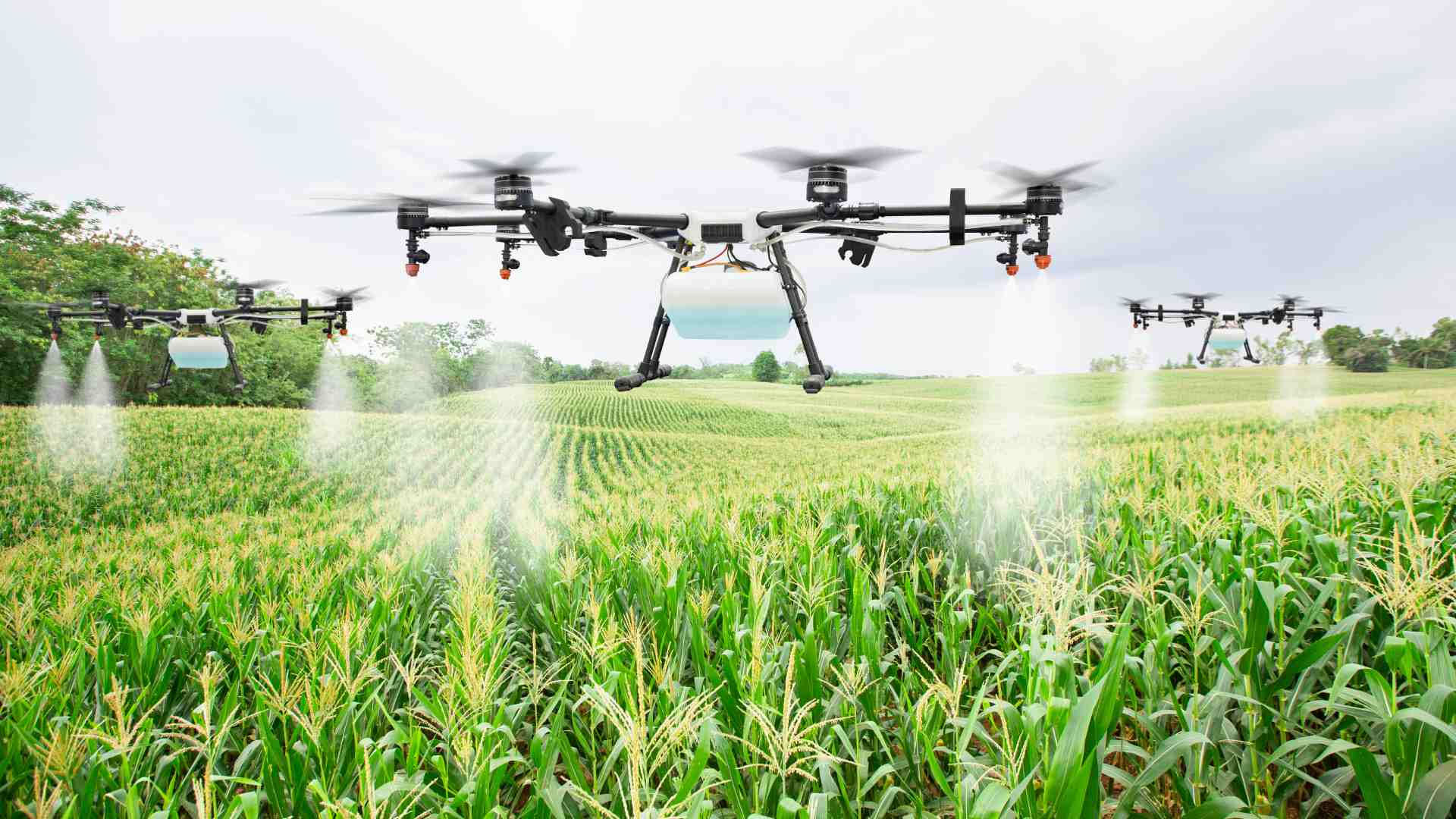
By pursuing agricultural studies, one gains a deep understanding of farming techniques, modern technologies, sustainable practices and market dynamics. This knowledge is vital for improving productivity, reducing post-harvest losses and enhancing overall efficiency in the agricultural value chain. Graduates can capitalise on an agriculture projects easily because they have the knowledge to tackle the situations better than someone who does not have knowledge on agriculture.
It is important to know the context of the issues that surround youth participation in agriculture. Zimbabwe’s agriculture sector has been evolving since the structural reorganisation of the agricultural sector through the Land Reform Programme (LRP). Whereas in the past the sector was a domain of a select few large-scale farmers, the LRP ushered in more smallholder farmers. A striking characteristic is that most of the landowners tend to be young, accounting for more than 55 percent of the labour force in the sector. However, youth participation should be buttressed. This therefore implies that youth participation in agriculture still remains low.