admin
admin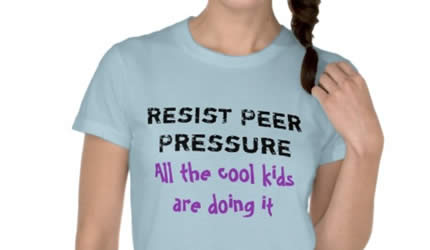
Well, adolescence is a time when peers play an important role in the lives of teenagers.
Teens begin to develop friendships that are more intimate, exclusive, and more constant than in earlier years.
It is known that during adolescence, peers play a large part in young people’s lifestyle.
They typically replace family as the centre of a teenager’s social and relaxation activities.
Teenagers have various peer relationships, and they interact with many peer groups.
Some teenagers give in to peer pressure because they want to be liked, to fit in, or because they worry that other teenagers may make fun of them if they don’t go along with the group.
Sometimes the media also play a pivotal role in peer pressure, thus imitating what they see on television.
However, others go along with it because they are curious to try something new that others are doing.
“I make it a point that I dress same as my best friend. It is not about trendy but it’s about what she is like and this makes us feel better when people adore us,” said Takunda Jeremy Ncube from Helensvale.
Takunda (18) said the main reason teenagers give in to peer pressure is because of the need for companionship, their need to be accepted.
“This is human nature, there is nothing we can do about it; but what we can do is help those who are so caught up on this companionship that they are willing to sacrifice who they are just to receive it,” he said.
The idea that “everyone is doing it” may influence some children to leave their better judgment, or their common sense, behind.
A parent identified as Mrs Machingura said as children should grow, develop, and move into early adolescence, involvement with one’s peers and the attraction of peer identification increases.
“As pre-adolescents begin rapid physical, emotional and social changes, they begin to question adult standards and the need for parental guidance.
“They find it reassuring to turn for advice to friends who understand and sympathise — friends who are in the same position themselves,” she said.
Mrs Machingura said by trying new things and testing their ideas with their peers, there is less fear of being ridiculed.
Many parents worry that their teens might fall under negative peer influence or reject their families’ values and beliefs, as well as be pressured to engage in high-risk and other negative behaviour.
In fact, peer influence is more complex than our stereotype of the negative influence from friends.



 Online Reporter