Online Reporter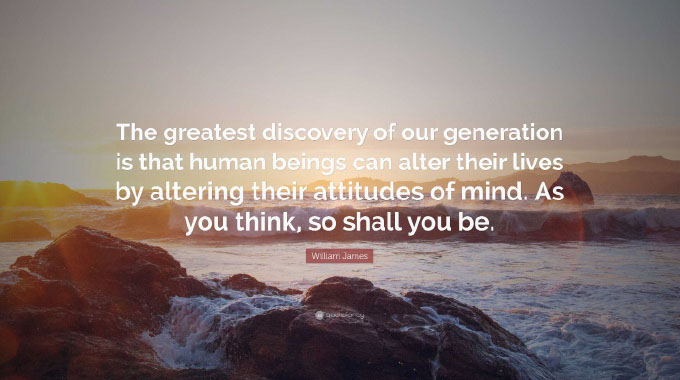
Arthur Marara
Point Blank
Imagine standing on a windswept cliff, the ocean churning violently below. Your role demands you navigate treacherous currents, make critical decisions under pressure, and inspire others to weather the storm.
What’s the one indispensable tool you need above all else? Not a detailed map, nor a stronger ship, but an unshakeable inner calm – your peace of mind. This isn’t passive serenity; it’s the dynamic, fortified core from which true leadership, resilience, and innovation spring.
When this peace fractures, clarity clouds, decisions become reactive, creativity stalls, and the very foundation of your effectiveness crumbles. Protecting your peace isn’t self-indulgence; it’s the bedrock of sustainable success, both personally and professionally.
But what does “protecting your peace” truly mean in the relentless grind of modern life and leadership? It transcends mere avoidance of stress. It’s the conscious, courageous cultivation of an internal sanctuary.
It’s proactively designing a mental and emotional environment where self-care isn’t an afterthought, self-love isn’t guilt-ridden, and self-growth isn’t stifled by external chaos. It’s claiming sovereignty over your inner state, ensuring that regardless of the external tempest, your centre holds.
This sanctuary becomes the wellspring from which you draw strength, wisdom, and the capacity to lead with intention, not just reaction.
So, how do we begin fortifying this vital core? The journey starts with mastering the fundamental distinction that shapes our experience: Control vs. Surrender.
1. The Liberating Power of Surrender: Releasing the Uncontrollable
Our instinct, especially as driven leaders, is to grasp, manage, and dominate every variable. Yet, life and business are inherently woven with threads beyond our grasp.
Obsessing over these uncontrollables – the past, others’ opinions, market volatility, unexpected setbacks, even the weather – is like trying to hold back the tide with bare hands. It’s an exhausting, futile endeavour that exacts a devastating toll on our peace.
Each anxious thought about “what if,” each replay of a past mistake we cannot undo, each moment spent fretting over someone else’s perception, drains precious energy and chips away at our inner stability.
The Liberation: True power emerges not from controlling the uncontrollable, but from consciously releasing our grip on it. This surrender isn’t resignation or apathy; it’s profound wisdom and strategic energy management. Recognize that:
Your past is immutable. You cannot rewrite yesterday’s chapter.
Dwelling there shackles you to ghosts, preventing you from authoring today’s page. Learn its lessons, honour its experiences, but release its grip on your present state.
Others’ thoughts are their domain. You cannot control perceptions, judgments, or gossip. Investing emotional capital here is like pouring water into a sieve. Focus instead on your integrity, your actions, and your own self-perception.
External events will unfold. Markets shift, plans derail, people act unpredictably. Your power lies not in preventing every ripple, but in mastering your response to the waves.
The Practice: When you feel anxiety rising over something outside your control, pause. Acknowledge the feeling, then consciously choose: “This is beyond my control. My power lies in how I respond, where I focus my energy, and what I build next.” Redirect that released energy towards your sphere of influence. This shift is profoundly liberating, lifting an invisible weight and freeing your mind for what truly matters.
2. Claiming Your Sovereignty: Mastering the Controllables
If releasing the uncontrollable removes the anchors, mastering the controllables is hoisting your sails. Within the vast sea of life, your greatest power resides in the territory you govern: your inner world. This is where your peace is truly forged and protected.
Your Beliefs: The Architects of Reality.
You are not merely a product of circumstance; you are fundamentally shaped by what you believe to be true about yourself, your capabilities, and your world. Limiting beliefs – “I’m not good enough,” “This won’t work,” “Success is for others” – are like invisible walls built around your potential. They become self-fulfilling prophecies, dictating your actions (or inaction) and shaping your outcomes. Protecting your peace demands a ruthless audit of your belief systems.
Challenge the narratives: Where did this belief originate? Is it still true?
What evidence contradicts it? Consciously dismantle the walls and rebuild with empowering beliefs: “I am capable of learning and growth,” “Challenges are opportunities,” “My contribution matters.” This isn’t naive positivity; it’s strategic cognitive reconstruction. Your beliefs are the blueprint; ensure they design a palace, not a prison.
Your Attitude: The Lens That Shapes Your World
William James, the pioneering psychologist, distilled a lifetime of observation into a profound truth: “The greatest discovery of any generation is that a human can alter their life by altering their attitude.” Your attitude isn’t just how you feel; it’s the fundamental filter through which you interpret events.
Two leaders face the same setback: one sees catastrophe and defeat, the other sees a tough lesson and a pivot point. Their attitudes dictate their next steps, their resilience, and ultimately, their outcomes. Protecting your peace means choosing your attitude deliberately.
When faced with adversity, consciously ask: “What is the empowering perspective here? What opportunity might be hidden within this challenge?
How can I approach this with curiosity and resolve instead of fear and resentment?” Cultivate an attitude of resourcefulness, gratitude, and possibility. This choice transforms victimhood into agency.
Your Thoughts: The Seeds of Your Future
King Solomon, renowned for his wisdom, offered timeless counsel: “Be careful how you think; your life is shaped by your thoughts” (Proverbs 4:23, GNT). Your thoughts are not passive clouds drifting by; they are active forces, planting seeds in the fertile ground of your subconscious that eventually blossom into your reality. Constant negative self-talk, catastrophic forecasting, or dwelling on resentment pollutes your inner sanctuary.
Protecting your peace requires vigilant stewardship of your mental garden. Notice your recurring thought patterns. Challenge automatic negative thoughts. Intentionally plant seeds of hope, solution-oriented thinking, self-compassion, and focused intention. Ask yourself about your business or challenge: “What is the most constructive, hopeful, and empowering thought I can choose to hold right now?”
Your future is being scripted in the quiet moments of your inner dialogue.
Choose the script wisely.
To be continued…
Arthur Marara is a corporate law attorney, keynote speaker, peak performance and corporate strategy speaker. With his delightful humour, raw energy, and wealth of life experiences, he captivates audiences and inspires them to unlock their full potential. He is also a leadership expert with extensive experience in leadership development and coaching. He is passionate about developing effective leaders and empowering individuals and organizations to achieve their full potential. Through his engaging talks and workshops, he imparts invaluable insights and practical strategies that empower individuals to lead with confidence and make a lasting impact. Arthur is the author of “Toys for Adults” a thought-provoking book on entrepreneurship, and “No One is Coming” a book that seeks to equip leaders to take charge. Send your feedback to bookings@arthurmarara
attorneys.com visit his website www.arthurmarara.com or contact him at +263772467255.