Online Reporter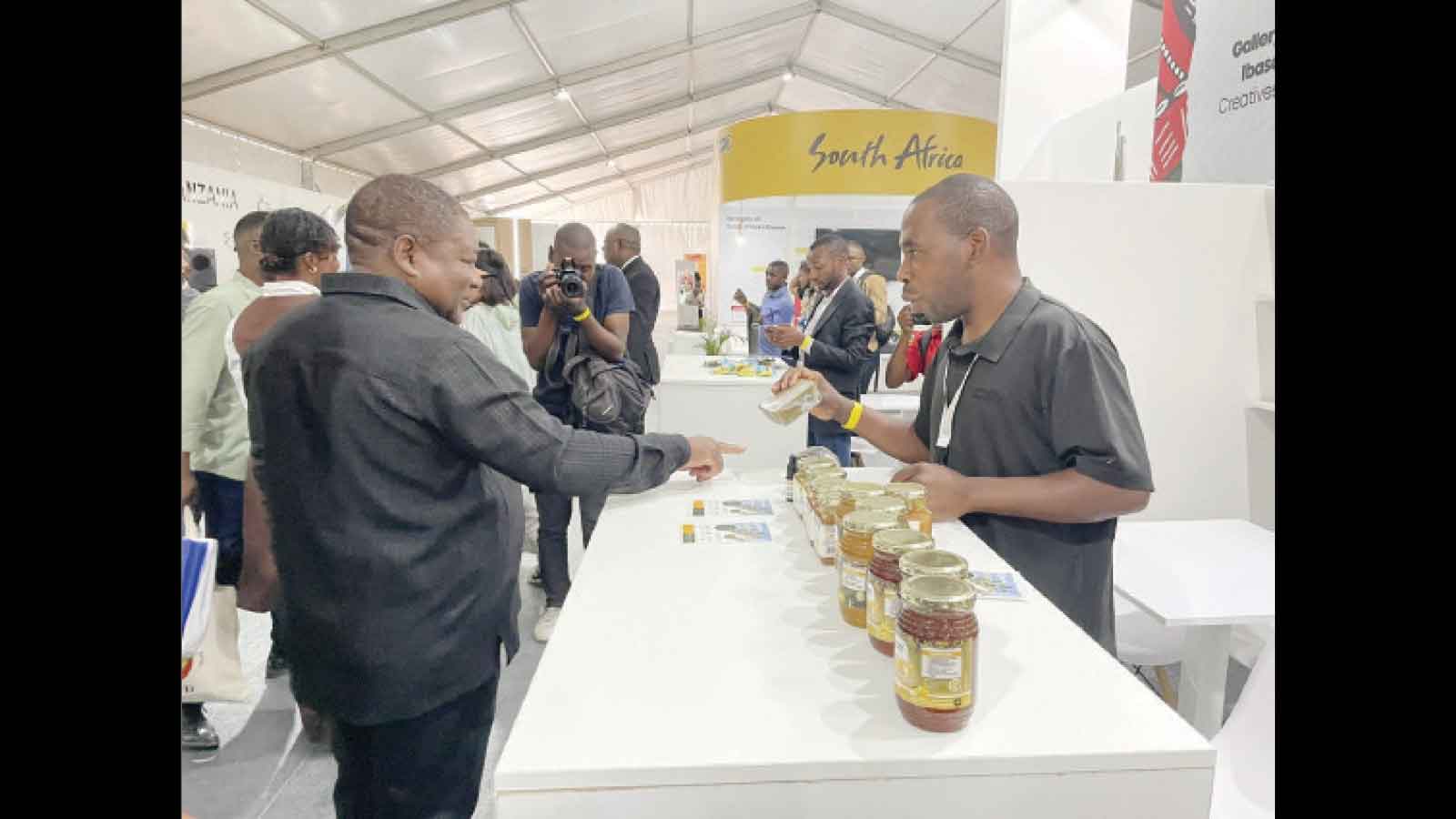
Golden Sibanda in Maputo, Mozambique
Zimbabwe has laid a strong foundation to ramp up exports into the Mozambican market, following the huge interest in local products exhibited at the 61st edition of the Maputo International Trade Fair 2026 in Mozambique.
Mozambican President Daniel Chapo officially opened the fair, which started on August 31, 2026, and ended on September 7 , promising to press ahead with reforms to eliminate complications and improve the business environment in the country.
FACIM has grown into one of Southern Africa’s major trade exhibitions, attracting more than 50 000 visitors annually, including exhibitors, investors, buyers, policymakers and business executives.
This year’s edition came against the backdrop of strengthened relations between Zimbabwe and Mozambique, with both countries increasingly focusing on practical measures to boost trade, investment and connectivity.
The annual exhibition provided Zimbabwean companies with a strategic platform to unlock new export markets, secure more buyers and forge stronger business partnerships in one of Zimbabwe’s most important regional export gateways and destinations.
Mozambique’s premier multi-sector trade fair attracts businesses, investors, government officials and buyers from across Africa and beyond, creating opportunities for exhibitors to expand their regional and international reach.
More than 20 Zimbabwean companies from across key sectors of the economy, including manufacturing, agriculture, agro-processing, transport and logistics, building materials, engineering, energy and handicrafts, took part in Mozambique’s largest trade fair.
ZimTrade, the national trade development and promotion body, helped local firms participate in FACIM 2026 as part of the Government’s efforts to grow exports, economic diplomacy policy, and its engagement and re-engagement drive.
The exhibitors’ stands, housed under the ZimTrade pavilion, received constant and heavy traffic from international buyers throughout the trade fair, with the buyers highly impressed by the high quality and good taste (for food products) of Zimbabwean products on display.
Several companies confirmed they concluded export deals into Mozambique or at least generated leads expected to result in new or increased export orders into the rapidly growing Mozambican market.
ZimTrade Eastern Region manager, Mr Admire Jongwe, who led the exhibitors to FACIM 2026, said the national trade development and promotion body had been encouraged by the strong interest generated by Zimbabwean products, as well as the high quality of business engagements recorded during the week-long fair.
“The participation resulted in leads, deals and agreements that were concluded. This mileage gained will help create a strong foundation for increased trade between Zimbabwe and Mozambique.
“The insights gained from this year’s participation will help Zimbabwean companies sharpen their trade strategies when dealing with our Mozambican counterparts.
“ZimTrade looks forward to building on this momentum and deepening commercial ties between the two countries,” Mr Jongwe said.
The founder of Tshisam Trading, Mrs Tshiyiwe Sibhula, who serves as the director and chairperson of the agro-processing firm, said her company generated significant new export orders, while all the products she carried to the Mozambican trade fair were sold out amid strong customer demand.
“I would like to commend ZimTrade for this opportunity to exhibit at FACIM. I am most grateful for the fact that by the last day of FACIM, all the products that I brought to the exhibition have been sold out.
“I also secured export opportunities from buyers from Thailand and Indonesia, who want to buy my products. I would like to appreciate ZimTrade for this opportunity that has enabled me to secure these export trade opportunities.
“I am certain that I will not let ZimTrade down; I will make and supply products that meet the expectations of the customers I have secured at FACIM 2026,” Mrs Sibhula said.
Another exhibitor, Mrs Erica Muzhingi of Kimalt Needle Investments, commended ZimTrade for taking small and medium enterprises like Kimwalt to international exhibitions such as FACIM; this was critical to help expand their global market frontiers.
The company specialises in various products, including baobab products, baobab oils, resurrection teas and various herbs.
“During the exhibitions, we managed to strike some supply agreements with international buyers, which will allow us to open outlets in markets such as Mozambique and expand our international market reach.
“We will have further engagements so that we can bring our products into this market, while we also help them secure markets in Zimbabwe. We interacted with exhibitors and buyers from across Africa and beyond; we hope this will help us grow our business and would like to commend the Government and ZimTrade for this opportunity.
“May ZimTrade continue to nurture and promote us, as we can see that the assistance is helping our products gain international exposure,” she said.
Zimbabwe’s exports to Mozambique grew by 4 percent, from US$255.1 million in 2024 to US$266.2 million in the previous year, backed by the ZimTrade national export drive.
Zimbabwe aims to reach US$14 billion in annual export earnings by 2030, backed by an annual growth rate of at least 10 percent for goods.
He also said Mozambique had continued to demonstrate strong potential for Zimbabwean companies, particularly because of its proximity, established trade links and growing appetite for competitively priced regional products.
This will build on the inaugural Zimbabwe–Mozambique Bi-National Commission, held in November last year, which saw the leadership of the two countries commit to initiatives aimed at improving the movement of goods and people.