Online Reporter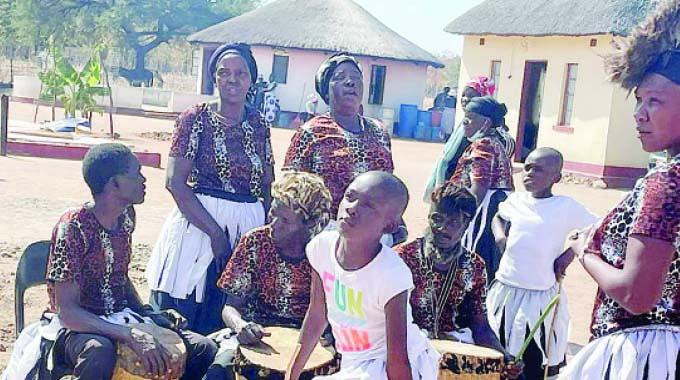
Bruce Ndlovu, Sunday Life Reporter
WHEN Sthandisiwe Nyathi, known to villagers in Matobo as MaMhlanga, looks up at the sky in August, she knows that those seeking bountiful rains in the upcoming rainy season will soon need to dust off their leg rattles and perfect their wosana dance.
In the mountains and hills of Matobo District, Matabeleland South Province near the sacred Njelele shrine where she grew up, the weeks leading up to spring are a time of anticipation.
The last winds of winter sweep through the rocky plains, while the unrelenting sun casts a golden glow on the iconic boulders and kopjes of Matobo as it sets.
The biting cold of winter becomes a fading memory, spring is in the air.
For MaMhlanga, the seasonal shift from winter to spring and eventually summer, is deeply tied to the dances that shaped both her childhood and adult life.
As the rainy season approaches, she knows it is peak time for wosana dancers, men and women whose mastery of rhythm is believed to be so powerful it can coax the heavens into releasing generous downpours.
Like many raised near Njelele, she is an expert in this and other traditional dances.
“Each dance has its meaning. For example, when we dance the wosana, it means the rainy season is approaching, we want to ask the heavens for downpours,” she told Sunday Life in a recent interview.
“It is an occasional dance, only performed when asking for rain. Once it starts raining, you must stop. The amabhiza is not seasonal, you can dance it year-round because it raises the clouds.
“Isitshikitsha is for times of trouble at home, like illness. It is meant to awaken ancestral spirits to help identify the problem. Amantshomane is for hunters, those who perform it are called abazingeli and they wear red clothes when dancing.”
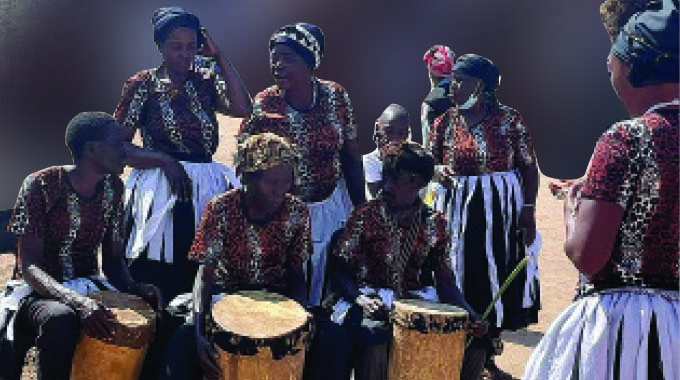
Three years ago, MaMhlanga and other villagers, encouraged by the late historian and cultural activist Pathisa Nyathi, formed a cultural group named Esigodlweni, after the “reception area” at Njelele.
Esigodlweni, she explained, is where those seeking spiritual intervention come to share their concerns.
It was here that Nyathi would meet the group, urging them to create an organisation to preserve a way of life that, for them, was second nature.
“We have been doing this for three years. There is a house near Njelele on the mountain called Esigodlweni. That is where it all began and where Nyathi used to find us. He was easy to relate to because he truly loved and appreciated culture.”
“Esigodlweni is the place people pass through when they come from across the country and even beyond, to ask for rain at Njelele. Sometimes they come to consult about illness or other life challenges. That is why we chose the name: it reflects our roots and the place where our group found its voice.”
For the members of Esigodlweni, dancing is not just a profession, it is a way of life.
While some may use tradition to earn a quick buck, MaMhlanga said the group is equally committed to preserving a culture that has been slowly fading. For instance, last year it was reported that many of Njelele’s wosana dancers had left to join Apostolic sects.
“Dancing, for us and for me personally is a way of life. From a young age, we danced at home. Even my brother is a renowned dancer in our village. We performed every dance: isitshikitsha, amabhiza, wosana even amantshomane.
We mastered them all and see ourselves as their custodians.”
While the group is proud of preserving long-held traditions, MaMhlanga said their journey would not have been possible without Nyathi’s influence.
He encouraged them to go beyond dance and explore other aspects of their culture.
“Pathisa Nyathi helped us launch our group. We are now based at Amagugu and we do much more than dance, we create art and traditional crafts, thanks to Nyathi. Men and women make handcrafted ornaments and no one is idle. What sets us apart is the effort and expertise we bring to our work.”
“We have performed at weddings, food expos with the First Lady, graduations and even Presidential events, all thanks to Nyathi’s support. He is someone we honour because we learnt so much from him. He left us a school, not a building, but a legacy. He helped us use our culture to sustain ourselves and our families.
“Some traditions were a mystery to us. For example, few knew that the round shapes and chevrons we use to decorate our homes represent women and fertility.”
As their mission continues, to safeguard and celebrate the beauty, intricacy and meaning of traditional dances, MaMhlanga said they have begun recruiting children, who are vital to the future of the culture they aim to preserve.
“Everything we do is to keep our culture alive. That is why we now involve younger children in our events. We believe that if we were to pass away, this knowledge must not be lost.
“Our group was formed to give back to the community. Schools visit Amagugu and it brings us joy to see them come. We don’t want the younger generation to lose these traditions,” she said.