Rutendo Nyeve, [email protected]
THE Gukurahundi Community Outreach Programme is approaching a critical stage, with traditional leaders expected to assess progress made during community hearings and determine the way forward.
The hearings, which began in June last year, are being led by traditional leaders across Matabeleland North and Matabeleland South provinces.
President Mnangagwa launched the programme in July 2024 as part of a home-grown approach to addressing the 1980s disturbances and promoting national healing and reconciliation.
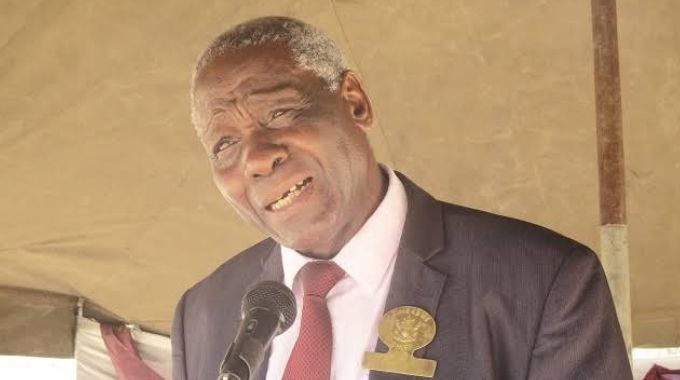
In an interview with Zimpapers, Chiefs Council president Chief Mtshana Khumalo expressed confidence that the process had made significant progress, saying traditional leaders and the programme’s secretariat would review the work completed before deciding on the next steps.
“We will determine how we progress with the process during the course of this week. However, I am confident that the hearings have covered much ground,” said Chief Mtshana.
He commended all those who had participated in the exercise, noting that the hearings had been conducted peacefully and without incidents.
“I want to commend all those who participated in this process. It has been conducted peacefully and without any incidents, which is a testament to the maturity of our people,” Chief Mtshana said.
Attorney-General Mrs Virginia Mabiza, who also heads the Secretariat of the Matabeleland Peacebuilding Outreach Programme, has previously said the initiative had recorded increased participation.
The outreach programme has provided a platform for communities affected by the disturbances to share their experiences and contribute to efforts aimed at promoting peace, reconciliation and national healing.
The involvement of traditional leaders has been central to the process, drawing on their standing within communities to facilitate dialogue and create opportunities for affected people to have their experiences heard and documented.
The initiative forms part of the Government’s broader efforts to address historical grievances, strengthen national cohesion and promote peaceful coexistence among communities.