Online Reporter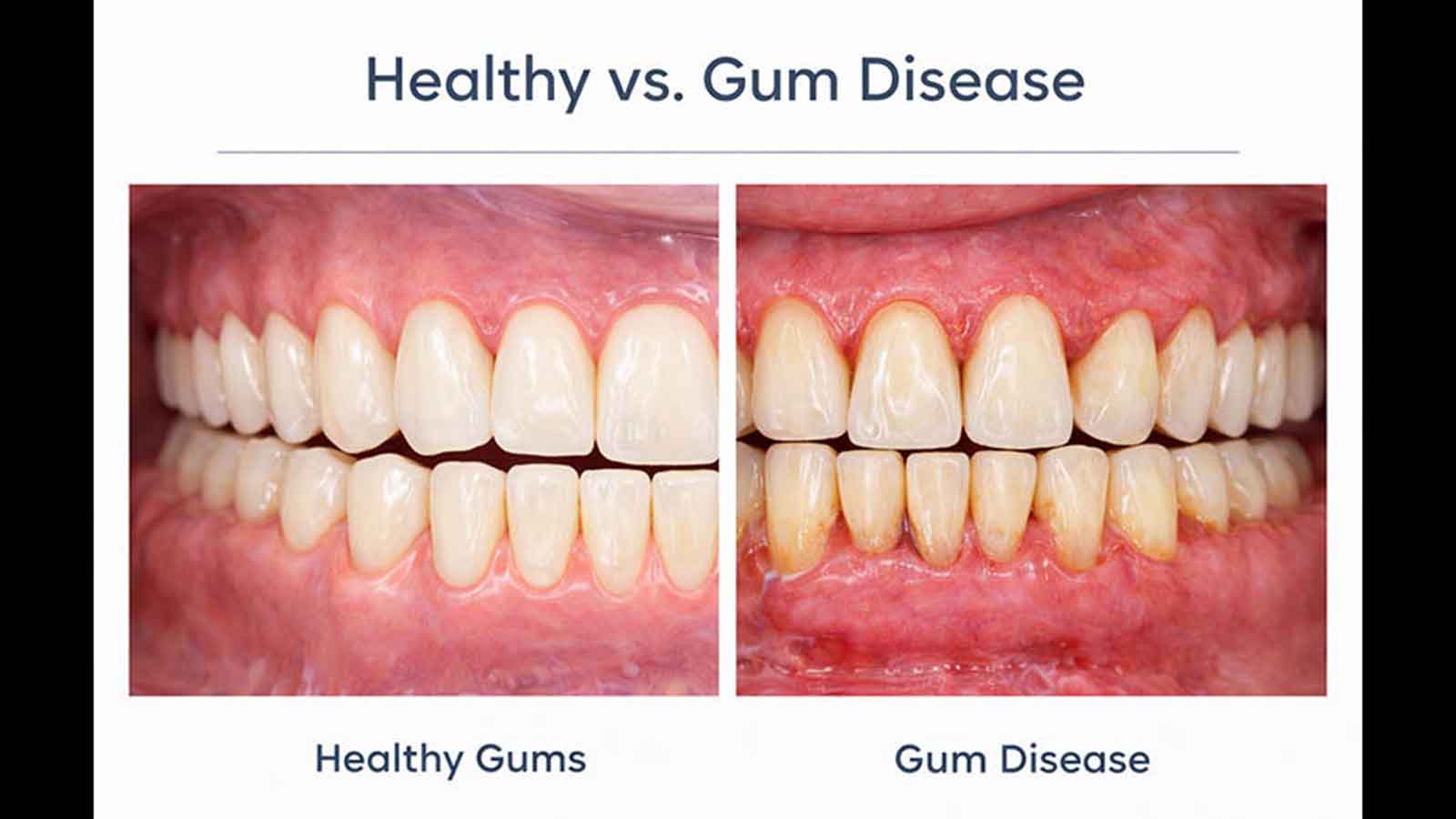
Rumbidzayi Zinyuke-Health Buzz
OUR gums are something we often take for granted.
They are there every morning when we brush our teeth, every time we bite into an apple, chew sadza or laugh with friends.
Because they rarely demand our attention, it is easy to assume that as long as our teeth look clean, everything inside the mouth must be fine.
But sometimes the first warning that something is wrong comes in a place many people are tempted to ignore: the sink.
A little blood after brushing. A strange taste in the mouth. Persistent bad breath. Gums that look swollen or red. Perhaps a tooth that suddenly feels slightly loose.
For many people, these signs are dismissed as minor inconveniences.
Yet bleeding or swollen gums can be signs of gum disease, a condition that can progress from inflammation around the gums to damage of the tissues and bone that support the teeth.
And this is not simply a dental problem.
The World Health Organisation estimates that severe periodontal, or gum, disease affects about 1.08 billion people aged over 15 globally, representing nearly 19 percent of this population. The burden increased substantially between 1990 and 2019, with the number of cases almost doubling.
In the WHO African Region, the estimated prevalence of severe periodontal disease was even higher, at 22,8 percent among people aged 15 years and older in 2019, representing about 145 million cases.
That means gum disease is not an obscure condition affecting a small group of people. It is one of the world’s major oral health problems.
And Zimbabwe is part of that picture.
A nationally representative periodontal survey identified a high prevalence of periodontal conditions, although most cases were not severe. The survey, conducted in 1995 among 3 709 people, also found that the vast majority of Zimbabweans were not receiving or seeking periodontal care.
More than three decades have passed since those national figures were collected. In that period, lifestyles, diets, patterns of tobacco use, access to healthcare and the country’s demographic profile have changed considerably.
However, there is limited recent nationally representative data to tell us precisely how common gum disease is today.
That gap should not be mistaken for an absence of the disease.
Across Africa, oral diseases remain a major public health concern. WHO estimates that about 485 million people in the African Region were affected by oral diseases in 2021, representing 41.6 percent of the population.
Gum disease is among the major conditions contributing to that burden.
The reason gum disease can become so troublesome is partly because it often begins quietly.
Dental plaque, a sticky film that forms on teeth, contains bacteria. Experts say if it is not adequately removed, it can contribute to inflammation of the gums. At an early stage, this may appear as gingivitis, with gums becoming red, swollen or prone to bleeding.
With appropriate care, early gum inflammation can often be controlled.
The bigger concern is when the disease progresses to periodontitis. In severe disease, the tissues and bone supporting the teeth can become damaged, eventually causing teeth to loosen and, in some cases, be lost.
WHO identifies severe periodontal disease as a major cause of total tooth loss.
This is why the occasional bleeding many people shrug off deserves attention.
A toothbrush streaked with blood may seem like a small inconvenience when someone is rushing to work or school in the morning. Bad breath may be blamed on what was eaten the night before. A tender gum may simply be considered something that will disappear.
But the mouth can sometimes be sending an early warning.
The problem becomes even more important because oral health does not exist in isolation from the rest of the body.
WHO says periodontal disease is closely associated with non-communicable diseases, with the relationship between gum disease and diabetes particularly well documented.
Poor periodontal health can make blood sugar control more difficult, while poorly controlled diabetes can increase the risk of developing or worsening periodontal disease.
This creates a vicious cycle in which a problem in the mouth can intersect with a much broader health challenge.
That connection matters for Zimbabwe, where non-communicable diseases are becoming an increasingly important part of the country’s health burden. The same risk factors that contribute to several NCDs also affect oral health.
Tobacco use, unhealthy diets high in free sugars and harmful alcohol use are among the common risk factors identified by WHO.
This means that looking after the gums is not simply about having a better smile.
It is part of taking care of one’s overall health. There is also a socioeconomic dimension.
WHO notes that oral diseases disproportionately affect disadvantaged populations, with people on lower incomes and those living in rural communities often carrying a greater burden. Access to oral healthcare remains uneven, while the cost of treatment can become a barrier to seeking help.
For a family already struggling to meet the costs of food, transport, school fees and other healthcare needs, a dental visit may not always feel urgent.
People are more likely to seek treatment when pain becomes unbearable than when their gums are simply bleeding.
But prevention is precisely where the opportunity lies.
Oral health is one of those areas where small, consistent habits can matter. Regular brushing, cleaning between teeth, limiting frequent exposure to sugary foods and drinks, avoiding tobacco and having dental problems assessed early can help reduce the risk of serious disease.
It is also important to move away from the idea that a dental visit is only necessary when a tooth hurts.
Pain can be a late visitor.
The WHO estimates that oral diseases affect about 3.5 billion people globally, nearly half of the world’s population. It has also warned that the burden is increasing, particularly in low and middle-income countries.
For Zimbabwe, therefore, the challenge is twofold: improving prevention and ensuring that reliable, contemporary information exists to show where the greatest needs are.
After all, the mouth is not separate from the person.
It is where the day begins with breakfast, where conversations happen, where children learn to speak and where families share meals. Perhaps that is why our gums deserve more attention than we usually give them.
The next time there is a trace of blood after brushing, persistent swelling or unexplained bad breath, it may be tempting to rinse the sink and carry on with the day.
But sometimes the smallest warning signs deserve the biggest attention.
Because keeping a healthy smile is not only about protecting the teeth we see.
It is also about protecting the gums that hold them in place, and recognising that there is, quite literally, no health without oral health.