Online Reporter
Sifelani Tsiko
WHEN Gogo Rumbidzai Magwaza (64) of Nyanhi Village in Guruve District lost her son in 2020, the pain was unbearable, profound and agonising.
The loss triggered a range of intense emotions, including sadness, anger, guilt and fear.
She tried all sorts of things to drown her sorrows and provide a creative outlet for processing grief and emotions. Knitting and crocheting items from junk and old materials became her number one comforter. Gogo Magwaza found crafting to be a powerful tool for healing from loss, providing a creative outlet for processing grief and emotions.
“The death of my son in March 2020 left me in deep pain and misery. I loved my son so much and the loss was unbearable,” she said.
“Healing only started when I turned to knitting and crocheting bags, belts, rugs and other home décor items using old materials and old cassettes. Engaging with crafts helped me to shift focus from painful memories to joy in reusing old materials in an imaginative way.”
She now collects trash she sees in her rural neighbourhood.
Through her work, she shows her community how waste impacts local spaces and the environment. In most rural areas in the country, there are no waste management systems.
People throw away or burn litter in pits. When she was spotted and recognised by the Capacitating One Health in Eastern and Southern Africa (Cohesa) programme by the University of Zimbabwe and Cirad to find sustainable ways of managing waste in rural areas, it strengthened her resolve. She received training in waste management and support to polish her craft.
COHESA is co-funded by the OACPS Research and Innovation Programme, a programme implemented by the Organisation of African, Caribbean and Pacific States (OACPS) with the financial support of the European Union.
The Cohesa project is being implemented with the support of the International Livestock Research Institute (ILRI), CIRAD — a French agricultural research and cooperation organisation, and the International Service for the Acquisition of Agri-biotech Applications (ISAAA).
The Cohesa project aims to effectively protect the health of people, animals, plants and the shared environment.
Zimbabwe is among 12 African countries that are benefiting from a €9,3 million (US$10 million) Cohesa project.
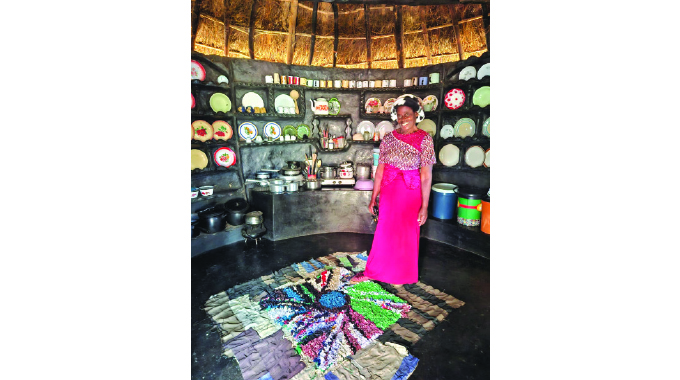
Gogo Magwaza now picks old materials and uses them in imaginative ways instead of throwing them away.
“I pick old cassette tapes from our community. I also ask my relatives to bring me old cassettes which I use to make various crafts and decorative items. Instead of discarding them, I turn them into nice art pieces and other stylish items,” she said.
“So please, tell people in town that they should not throw away old cassettes. They should just give them to me so that I can make various items such as bags, hats, mats, belts and other items.”
Some years ago, VHS tapes which were slotted into the VCR for people to listen to and watch their favourite movies are now history.
With streaming services and digital playlists taking over, VHS tapes and cassette tapes have become relics of the past, collecting dust in homes and garbage dumps across the country.
Most people do not know what to do with these old tapes now that technology has moved on.
Through Cohesa training, Gogo Magwaza and other locals were taught that throwing them in open spaces and other dumps is not ideal since they are made from plastic and magnetic materials that can harm the environment.
Recycling or repurposing them is the responsible way forward, they were advised.
“Recycling VHS tapes and cassette tapes may seem daunting, but with the right information and resources, it’s possible to turn them into something valuable,” said Prof Kudakwashe Chitindingu of Chinhoyi University of Technology.
Chinhoyi University of Technology and Harare Institute of Technology are the implementing partners in Guruve of the Cohesa Transforming Waste to Resources (TW2R) initiative that aims to promote sustainable waste management activities that could contribute to a healthier planet.
“I am so happy to be part of this programme. The benefits are many; on one hand it’s helping me to cope with the loss of my son and on the other, it’s good to learn that through recycling I am making a positive impact for our environment,” Gogo Magwaza said.
Recycling old items, she said, should be a collective community effort towards creating a safer and cleaner environment.
“Creating an eco-friendly environment is important for rural communities which are grappling with all kinds of waste including electronic waste of late,” said Prof Chitindingu.
“With adequate support, local women can be empowered to manage waste sustainably. Gogo Magwaza and some women in this community are now finding recycling old cassettes fun. These hands-on activities can transform waste into something valuable.”
Rural households are now increasingly grappling with garbage, particularly plastic pollution which has serious health implications for livestock, human and environmental health.
There is a growing use of plastics but no waste collection in rural parts of the country.
As the waste volumes increase, Gogo Magwaza has seen opportunities to collect waste and recycle it by making crafts. She collects all sorts of junk and recycles it to make some materials, plastic décor objects, mosquito nets, belts and other items.
“I have made lots of products from old cassettes and other old stuff. Our biggest problem is the market. There are no buyers here. We need assistance to take our products to bigger markets in Harare,” she said. “If we earn money, we will be motivated to take our work further. It is important to get buyers to help us remain motivated.”
The Nyanhi Village initiative, though small and isolated, is critical in reminding people about the negative impact plastic waste is having on their rural communities.
“We need to change perceptions and support such community efforts with easy-to-do solutions that help create a healthy environment,” said Prof Chitindingu.