admin
admin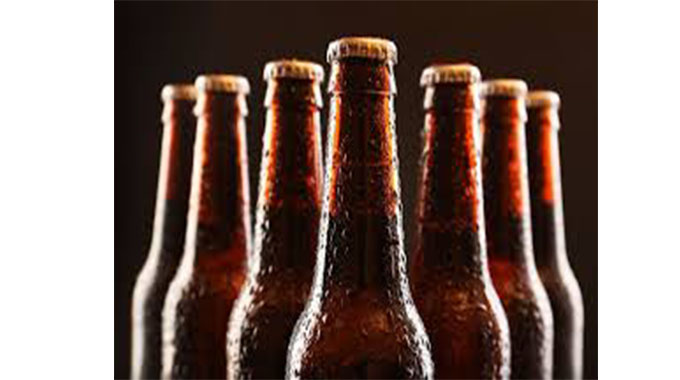
have rattled the drinking public.
It’s like a double-edged sword with rugged edges is being driven right into their flesh.
A walk into any watering hole will tell you guzzlers are livid. The proposed ban is a big talking point with people vowing to take the bull by its horns while others have adopted a wait-and-see approach.
But can we all be Arabs or Christians that drink not.
On this one, guzzlers believe their resilience is about to be tested in the most difficult way.
“Manje tinozoswerepi, manje? Drinking is my sport, so I am doomed,” said Jackson Matika while downing a cold one at Glen Norah Liquor Centre.
His equally distraught pal Charles Yaso chirped: “Tinongoona yekutamba. We are not young boys.”
“Hazviite izvozvo. Panofa munhu,” other guzzlers who were helping themselves to opaque beer said in a manner that showed complete disapproval.
Council sweepers who were going about their business at a shopping centre in Epworth could just shake their heads in disbelief.
“Whoever is planning to ban Sunday beer sales is inviting trouble. Beer is a sport. We cannot affort to watch cricket or go to soccer matches. Why do these rich people hate us so,” bellowed Mr
Samson Tembo while wiping sweat from his furrowed brow.
Mrs Linda Chimusaru, a housewife, was equally disturbed.
“The divorce rate will certainly rise. If some men are angry with their wives, they visit bars and return home when the temper has subsided. Now if they ban beer sales Sundays, more women will be killed in domestic disputes.”
Mbuya Charity Muderedzwa of Buhera also spoke strongly against the proposed ban.
Nyaya yaunoreva chikomana haina kunaka. Inobisa hurumende pachigaro. Regai varume vamwe doro nyika ifambire mberi nerugare,” she said while holding a pouch of snuff in one hand and her walking stick in the other.
As if to make hay while the sun still shines, it is not unusual to see motorists negotiating their way past drunkards early in the morning since people are now taking to the bottle earlier than usual.
Police raids have also not made the situation any better.
So many times, ambulance crews have been phoned after an imbimber falls headlong from the pinnacle of a high-rise building while avoiding poachers and seeking to reduce chances of arrest.
Drinking beer is a tough choice, I tell you. It is either poachers are after you, the police or even that your money is not enough for the next pint.
Chete hapana muvhimi anopimirwa sango. Unotozama noto zvifambe.
But can people not live without downing the wise waters.
“Chapu,” “Beer”, “Doro'”, “Musodzi waqueen”, “Ukorwa”, “Donhodzo” or “Mudhako” there is just something about alcoholic beverages that makes the lion in some people roar.
Maiwe doro rinonaka,
Dai waive mufushwa,
Ndaiisa muhomwe, sang Chimurenga music icon Thomas Mapfumo alluding to the sweetness of alcohol.
The ban on Sunday beer sales, it hoped, will help reduce carnage on the roads and promote responsible behaviour among citizens.
“Ndiani akati zvidhakwa hazvina musoro. We’ll cross the river when we get to it,” a guzzler who identified himself as Nyakabau said in Mabvuku said last weekend.
However, if implemented it will not be the first time such a ban would have been implemented on earth.
Early this year California outlawed the sale of caffeinated beer after nine underage drinkers at Central Washington University were hospitalised after taking Four Loko.
In New Jersey, 23 Ramapo College students were also hospitalised after gulping copious amounts of caffeinated beer.
A 20-year-old Florida student shot and killed himself after binging for 30 hours.
This forced authorities to warn four producers of caffeinated beer to either change their production formulas or end production completely to save lives.
In the early ’80s here in Zimbabwe, women successfully demonstrated against a certain brand of opaque beer which we shall not name here for rendering their husbands virtually ineffective between the sheets after gulping it. And the responsible brew heeded the call.
It is not unusual to have beverages which affect public health banned even if this may translate into job losses and other downstream effects. Some soccer clubs have also in the past banned alcohol sales during certain grudge matches to avoid crowd trouble.
Hooligans are known to treat themselves to excess volumes of alcohol so that they achieve their ill-will against opponnents under Dutch courage.
But, if not properly managed, the proposed ban on beer sales on Sundays spells doom for people who run bottle stores. To these people, the ban is parallel to a kick in the face as it will result in reduced sales that will also translate into joblosses as they struggle to keep the business running.
“I have been running this bottle store for the past seven years and complying with the registration and health requirements.
“If am forced to close on Sundays, it means the profits will be low. This will reduce my capacity to stock more beer and in the end I may not be able to meet the salary and rental demands,” said a Mbare businessman who spoke on condition of anonymity.
“If I cant sell more, it meets I will eventually be better off staying at home. Why should we be punished for complying with the laws of the land. If this is not an indirect call for us to run shebeens, then there won’t be any other.
“The law must not be there to force us into criminals,” the businessman said.
Plans to ban alcohol sales on Sundays could be a spit in the face of the indigenisation programme because transporters who are hired to take beer to the imbimbers with be cut off.
The same applies to women who sell half-cooked chicken pieces and nyama yemusoro at bar entrances.
Gentle reader, Zimbabwe being a place of diverse cultures and religious persuations, we cannot all be forced to be Christians.
Beer is in itself a source of livelihood for most people and reducing the quantities souls through ill-conceived policies might spell disaster.
The National Alcohol Policy needs a serious rethink.



 Online Reporter