Vusumuzi Dube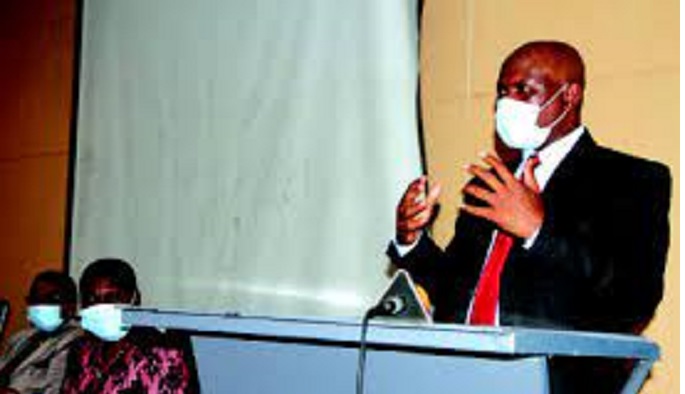
Judith Phiri, Business Reporter
THE Government has made significant strides that have seen the number of financially excluded Micro, Small and Medium-sized Enterprises (MSMEs) decrease from 43 percent in 2012 to 3 percent in 2022.
Zimbabwe’s economy is dominated largely by MSMEs that contribute up to US$8,6 billion (60 percent) to gross domestic product.
Speaking at the MSMEs training workshops in Bulawayo on Wednesday, Women Affairs, Community, Small and Medium Enterprises Development Permanent Secretary, Mr Moses Mhike said facilitates have been put in place to easy access to credit and encourage economic activity and stimulate growth in the sector.
“Under the National Financial Inclusion Strategy, the Ministry in collaboration with Reserve Bank of Zimbabwe (RBZ) has implemented a number of initiatives aimed at improving MSMEs financial inclusion. This has seen a huge decrease of the financially excluded MSMEs from 43 percent in 2012 to 3 percent in 2022.
“The recently launched Collateral Registry System is expected to facilitate further easy access to credit and encourage economic activity and stimulate growth in the sector,” said Mr Mhike.
“The Ministry through its empowerment funding facilities which include Small and Medium Enterprises Development Corporation (SMEDCO), Zimbabwe Women Micro Finance Bank, Women Development Fund and Community Development Fund is also providing funding to MSMEs.”
He said MSMEs make significant contributions to economic growth and sustainable development worldwide.
Mr Mhike said globally SMEs represent about 90 percent of businesses and more than 50 percent of employment worldwide contributing up to 40 percent of national income (GDP) in emerging economies according to the World Bank.
He added: “In Zimbabwe according to the 2021 MSME Survey, there are 3.4 million MSMEs operating in Zimbabwe employing 4.8 million people on full-time basis. The 2022 Finscope Survey indicated that the sector contributed USD8.6 billion to GDP. These statistics indicate that MSMEs have a central role to play in the achievement of the 2030 Agenda for Sustainable Development and the African Union Agenda 2063.”
The Permanent Secretary said MSMEs also promote inclusive and sustainable economic growth, increase employment opportunities and decent work especially for women and youth.
He said they also contribute to the transformation of economies from being primary commodities based to sustainable innovation and industrialisation-led.
Mr Mhike said the sector also plays a critical role in Zimbabwe under the decentralisation and devolution thrust as it significantly contributes to balanced development where MSMEs are found in all the rural and urban areas throughout the country.
“Recognising the potential contribution of the MSME sector to the attainment of Vision 2030 of an upper middle-income economy status as underscored by the National Development Strategy (NDS1), in 2022 Government with support from United Nations Department of Economic and Social Affairs (UNDESA) prioritised the development of a results-oriented monitoring framework for timely tracking of MSMEs contribution to the economy under the Revised National MSME Policy (2020-2024),” he added.
He said support to the sector under the UNDESA project has come at an opportune time as it is complementing Government efforts to address the challenges being faced by the sector.
The challenges include low productivity and competitiveness due to use of antiquated technologies and aging equipment, high costs of utilities, unfavorable regulatory requirements, limited access and high cost of finance, weak managerial, technical and entrepreneurial capacities among others.


 Online Reporter